How to Keep a Scalp Sunscreen Routine Simple
The easiest way to keep a scalp sunscreen routine simple is to stop treating it as a brand-new task and attach it to something you already do every day. Habit researchers often call this habit stacking: a familiar action becomes the cue for a new one. Instead of remembering one more step in a crowded morning, you let the old habit do the reminding for you.
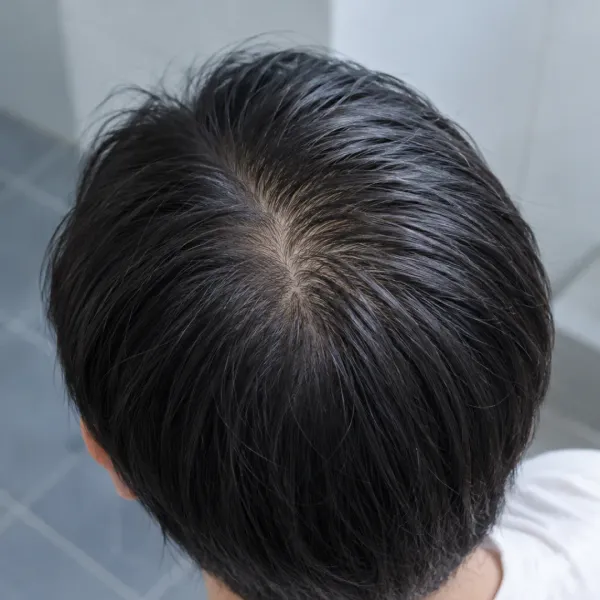
The scalp is easy to forget. It hides under hair, it does not show a "tan line" the way shoulders do, and most people never think of it until a part line feels tender. According to the American Academy of Dermatology's general sun safety guidance, the scalp is an area that can be exposed to the sun, and hats, shade, and sunscreen are commonly discussed ways to cover it. This article walks through how to build that habit around your own life, what to do when it falls apart, and where the limits are.
One note before we start: this is general information from an editor's point of view, not personal medical advice. Skin and scalp reactions vary from person to person, and product choices are best confirmed with a pharmacist or dermatologist.
Finding the Habits You Already Have

A habit worth attaching to has three qualities. It happens at a predictable time, it happens almost without thinking, and it happens close to where you would handle hair or skin products. Brushing teeth, making coffee, and washing your face all fit. Habits that vary wildly from day to day, like a gym visit or a lunch break, make weaker anchors.
Look at your mornings first
Most people have at least two or three rock-solid morning actions. Write them down in order, even if it feels silly. Something like: alarm, bathroom, face wash, moisturizer, hair brushing, shoes, keys. Now notice which ones already involve your hair or your hands near your head. Those are your best candidates, because the physical context is already right.
Consider your hair routine, not just your skin routine
Scalp care often fits better with hair habits than with face habits. If you brush or comb your hair every morning, that is a natural moment to think about your part line. If you style with a mirror, the mirror itself can become the cue. People who wash hair at night and style in the morning sometimes find the styling step is the steadier anchor.
Match the anchor to your real life
Be honest about which days look different. If weekdays are rigid but weekends are loose, you may want one anchor for each. A simple routine is one that survives your messiest day, not your best one.
Good Behaviors to Attach to Those Habits
Sun protection for the scalp is not only about sunscreen. According to the American Academy of Dermatology's general guidance, protective clothing, hats, and seeking shade are all part of sun safety, and sunscreen is one tool among several. That matters for simplicity, because a hat may be the lowest-effort option on many days. The pairings below show how different behaviors can hook onto different anchors.
Pairings that tend to work
- Brushing your hair + checking your part line. Every time the brush comes out, glance at where your hair separates. If you plan to be outside for a while, that glance becomes a prompt to think about coverage.
- Making coffee + choosing a hat. While the kettle heats, pick the hat or cap you will wear out. Keeping one near the door removes the decision entirely.
- Face moisturizer + a scalp-friendly product. If your face sunscreen is already part of your morning, some people keep a scalp-specific product beside it, such as a lightweight spray, powder, or stick designed for the part line and hairline. Which format suits your hair type varies, so check the product label and ask a pharmacist if you are unsure how to use it.
- Putting on shoes + grabbing sunglasses and hat. The "leaving the house" moment is one of the most reliable cues there is. Tie the hat to it.
- Locking the car + putting a cap in the door pocket. A spare hat stored where you already reach daily means fewer forgotten days.
Choosing a format that fits your hair
Product format affects whether a routine lasts. People with thick or textured hair may find some creams hard to work through, while people with fine hair may dislike anything that feels heavy or leaves a residue. Sprays, sticks, powders, and gels are all sold for this purpose, and each has trade-offs in feel, visibility, and how easily it spreads across a narrow part. Instructions differ by product, so follow the label rather than general advice, and consider asking a pharmacist or dermatologist about what suits your scalp.
Keep the number of steps small
A routine with one new action is far easier to maintain than one with four. Start with the single pairing that feels most natural. Once it runs on autopilot, you can decide whether anything else is worth adding. Many people find that a hat on high-exposure days plus one product pairing is plenty to manage.
Know when a routine is not enough
Habits help with consistency, but they do not replace paying attention to your skin. The American Academy of Dermatology's general guidance encourages people to watch for changes in the skin, including on the scalp, and to see a dermatologist about spots that look new, change, bleed, or do not heal. Thinning hair can make the scalp more exposed, and some people may want professional advice on how to approach that. A routine is for everyday protection, not for evaluating anything that looks unusual.
Recovery Rules for When the Routine Falls Apart
Every habit gets interrupted by travel, illness, a new job, or plain forgetfulness. Plan for that from the start, because the real risk is not one missed day but the quiet slide into abandoning the whole thing. A few simple rules can prevent that.
Rule one: a missed day is data, not failure
If you skipped it, ask which anchor failed. Was the morning rushed? Did you change your hair routine? Was the hat in the wrong place? Fix the cue, not your willpower. Often the solution is moving the product or hat to where your hand already goes.
Rule two: restart at the next anchor, not the next Monday
The habit of waiting for a "fresh start" day tends to turn one lapse into a week. Instead, pick up at the very next time your anchor occurs, whether that is tomorrow's coffee or tonight's brushing. No catching up, no doubling up.
Rule three: have a backup that needs no product
On days when you are out of product, traveling light, or forgot entirely, a hat or scarf and a bit of shade can do some of the work. Keeping a spare cap in a bag or car means one bad morning does not leave you with nothing.
Rule four: shrink the routine on hard weeks
When life gets busy, cut the routine down to its smallest version instead of dropping it. If the full version is a product plus a hat, the minimum version might be only the hat. A tiny habit you keep is worth more than an ideal one you quit.
Rule five: watch for irritation and adjust
Reactions vary from person to person. If a product leaves your scalp itchy, tight, red, or stinging, that is a reason to pause and ask a pharmacist or dermatologist, not to push through. A routine that irritates you will not last anyway. Switching formats or products is a normal part of finding something that fits.
Rule six: reset the environment, not just the plan
Habit changes stick better when the surroundings support them. Put the product where you will see it, keep the hat by the door, and remove anything that makes the step harder, like a lid you cannot open with wet hands. Small friction points are often the quiet reason a routine dies.
Common Limits Worth Knowing
No routine can promise complete protection, and results vary with skin type, hair density, time outdoors, and product use. Sunscreen labels typically include directions about how often to reapply, and those directions are best taken from the product itself or from a pharmacist, not from a general article like this one. Hair color, thickness, and style all change how much of the scalp is exposed, and some people have more exposed areas than they realize.
People with sensitive skin, scalp conditions, a history of skin problems, or those taking medications that affect sun sensitivity may need more tailored advice. In those cases, a dermatologist or pharmacist is the right person to ask about product choices and how to fit them into daily life. Children, older adults, and people with a family history of skin concerns may also benefit from professional input.
Conclusion
A simple scalp sunscreen routine is built from small pieces: one anchor you already have, one easy behavior attached to it, and a plan for the days it breaks. You do not need a long list of steps. You need a cue that shows up reliably and a way to restart without drama. If something on your scalp looks or feels unusual, that is a question for a dermatologist rather than a routine.
For your first two weeks, these three rules are enough:
- Pick one existing habit and attach just one scalp-protection action to it, whether that is a hat or a product you have confirmed suits you.
- If you miss a day, restart at the next anchor without catching up, and move the hat or product closer to where your hand already goes.
- On hard days, do the smallest version, and talk with a pharmacist or dermatologist if you notice irritation or anything unusual on your scalp.
Disclaimer: This article is for informational purposes only and is not a substitute for professional medical advice, diagnosis, or treatment. Please consult a licensed professional for personal health decisions.
Related reading: How to Keep a Dry Scalp Comfortable, Step by Step