What Does a Deep Conditioner Do Differently?
What a deep conditioner does differently comes down to formula and contact time: it is a richer, more concentrated conditioning treatment that is left on the hair longer than a daily conditioner. It is generally designed to soften, smooth, and help hair feel more flexible, though it cannot permanently repair damaged strands. Below, you will find what that means in practice, which hair situations it suits, how it differs from similar products, and why the distinction affects your routine decisions.
The Precise Meaning of a Deep Conditioner
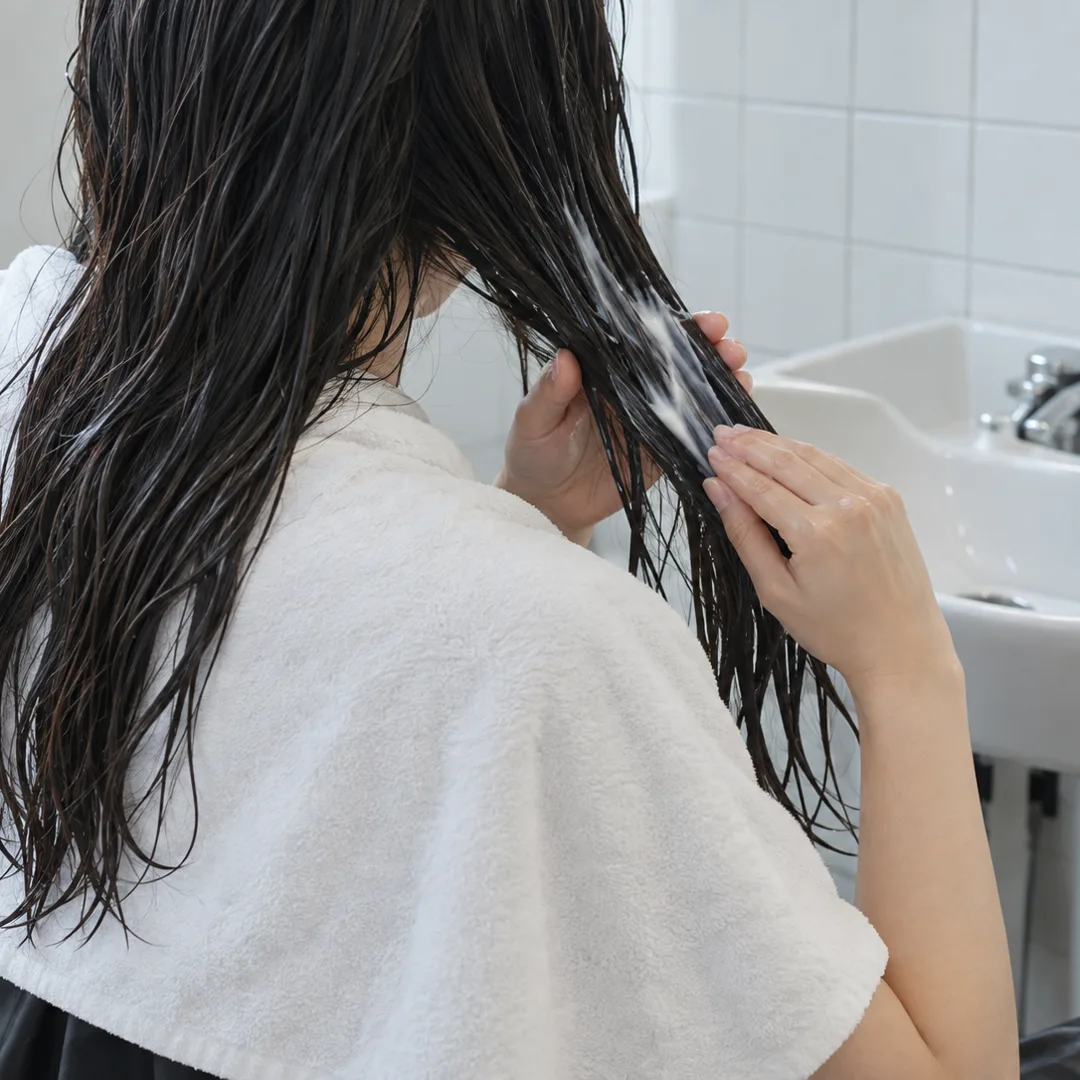
A deep conditioner is a rinse-out or leave-in hair treatment that contains a higher load of conditioning agents than a standard conditioner. These typically include emollients, humectants, and film-forming ingredients, and often some form of protein or lipid blend. The word "deep" is a marketing term rather than a regulated one, so it does not guarantee anything about how far an ingredient travels into the hair.
What the hair surface is doing
Each strand is covered by overlapping scales called the cuticle. When the cuticle is rough or lifted, hair can feel dry, tangle easily, and look dull. Conditioning products are generally formulated to smooth that surface and reduce friction between strands.
The main ingredient families
- Emollients (oils, butters, and fatty alcohols) soften the feel of hair and help reduce roughness.
- Humectants (ingredients such as glycerin) attract water, which can help hair feel more supple, though results depend on humidity.
- Cationic conditioning agents are positively charged ingredients that cling to hair's slightly negative surface and help detangle it.
- Proteins and amino acids are often added to help strands feel firmer, though they mostly work on the surface rather than rebuilding hair.
A daily conditioner usually includes a lighter mix of these. A deep conditioner tends to include more of them, in thicker textures, and is meant to sit longer on the hair.
Situations Where a Deep Conditioner Is Used
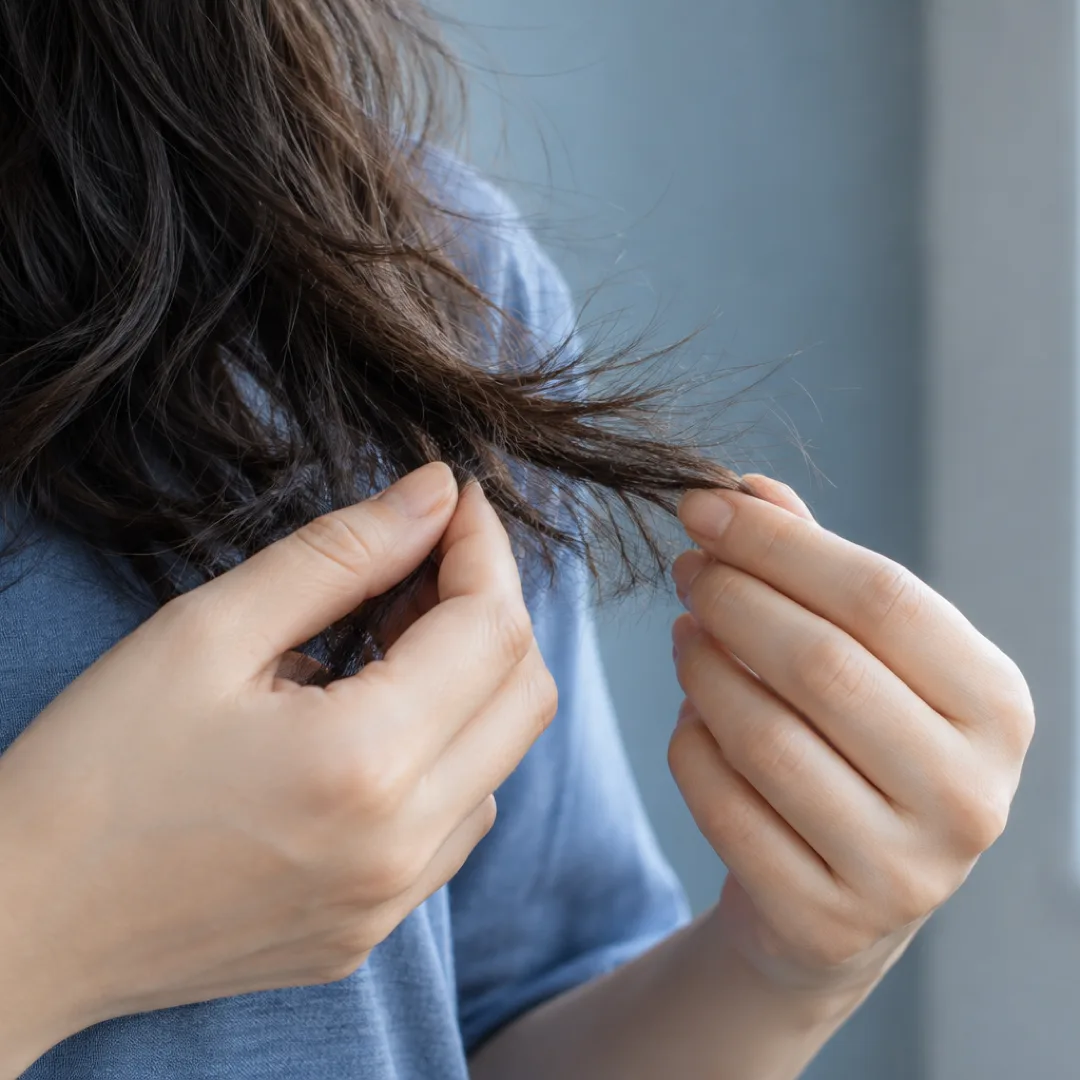
Deep conditioners are commonly used when hair feels dry, rough, or tangle-prone. Hair that is frequently colored, bleached, heat-styled, or chemically straightened often shows that kind of wear, because those processes can disturb the cuticle. Naturally dry or textured hair can also feel better with extra moisture, since scalp oils travel less easily along curlier strands.
Hair types and how they may respond
Response varies a lot between people. Thick, coarse, or curly hair often tolerates rich formulas well. Fine or low-density hair can feel weighed down by heavy butters and oils, so lighter formulas may suit it better. Oily scalps may do best when the product is kept mostly on the lengths and ends.
Everyday signs people often look for
- Hair feels straw-like or rough to the touch.
- Strands snag and tangle more than usual.
- Ends look frayed or dull after heat styling or coloring.
- Hair feels stretchy or mushy when wet, which some people take as a sign that moisture and protein are out of balance.
These signs are not diagnoses. Persistent breakage, patchy thinning, or scalp discomfort can have causes unrelated to conditioning, which is covered near the end of this article.
Contact time and heat
Many product labels suggest leaving a deep conditioner on for several minutes, and some mention warmth from a towel or cap. Because directions differ by brand and formula, follow the instructions printed on your specific product. If you have a scalp condition or sensitivities, a pharmacist or healthcare professional can advise before you try new products.
how to choose a conditioner for your hair typeDeep Conditioner vs. Similar Products
Several hair products overlap in purpose, and the labels can blur the lines. Think of a daily conditioner as a light coat of lotion and a deep conditioner as a thicker overnight moisturizer: both soften, but one is built for a heavier job. That is the one comparison worth keeping in mind as you read the distinctions below.
Regular conditioner
A regular conditioner is formulated for short contact, typically a minute or two in the shower. It focuses on detangling and smoothing. A deep conditioner generally offers a more concentrated feel and is not usually needed with every wash.
Hair mask
"Hair mask" and "deep conditioner" are often used interchangeably, and there is no strict regulatory difference between them. Some brands position masks as thicker or more intensive, while others use the terms the same way. Reading the ingredient list and directions tells you more than the name does.
Leave-in conditioner
A leave-in is designed to stay on the hair and is usually lighter. It aims to provide ongoing softness and detangling support between washes. A deep conditioner is typically rinsed out after the stated time.
Protein treatments
Protein treatments focus on ingredients such as hydrolyzed proteins that can temporarily fill gaps along the hair surface and help it feel firmer. Some deep conditioners include protein, but many are primarily moisture-focused. Hair that feels stiff or brittle after a protein-heavy product may be telling you that it needs a different balance, and individual reactions vary.
Bond-building treatments
Some newer products market themselves as bond-building or bond-repairing, often for chemically treated hair. These are formulated differently from standard conditioners and may be used in a different way. A licensed stylist can explain how they fit with services like bleaching, and product directions should always be followed.
Clarifying and scalp products
Clarifying shampoos remove buildup, while scalp treatments target the skin beneath the hair. Neither does the same job as a deep conditioner. If product buildup is making hair feel limp, adding more conditioning may not help, and it can sometimes make the feeling worse.
Why the Difference Matters in Practice
Understanding the gap between a deep conditioner and a daily one helps you match products to what your hair actually feels like. It also helps you avoid expecting too much. Conditioning products, including richer ones, generally work on the outside of the hair fiber. Hair strands are not living tissue, so a product cannot truly heal damage; it can help hair feel and look better until the damaged section is eventually cut off.
Limits worth knowing
- Results vary. Hair type, porosity, water hardness, and styling habits all influence how a product feels.
- Buildup can happen. Heavy formulas used too often may leave hair coated, limp, or greasy, especially on fine hair.
- Effects are temporary. Softness from conditioning generally fades with washing and styling over time.
- Splits and breakage remain. Once ends are split, trimming is the typical way to remove them.
Irritation and allergy considerations
Fragrances, essential oils, and certain plant extracts can irritate some scalps or skin. According to the U.S. Food and Drug Administration's general consumer guidance on cosmetics, products can cause reactions in some people, and sensitivities differ from person to person. If you notice itching, burning, redness, or swelling after using a hair product, stop using it and consider speaking with a healthcare professional.
When to look beyond conditioning
Conditioner will not address everything. The American Academy of Dermatology's general guidance notes that hair shedding, thinning, and scalp problems can have many causes, including medical conditions, stress, and nutrition. If you see patchy hair loss, a scaly or painful scalp, or sudden changes in hair texture or density, a dermatologist or another qualified professional is the right person to evaluate it. A deep conditioner is a cosmetic product and is not intended to diagnose or treat a medical condition.
Choosing with fewer regrets
Start by reading the label for the product's stated purpose, such as moisture, smoothing, or strengthening. Patch-testing new products is commonly suggested on product labels, so check the instructions. Don't be shy about trying a small size first, because a jar that works for a friend's hair may feel completely different on yours.
What Changes Once You Understand the Difference
Knowing what a deep conditioner does differently from a regular rinse-out product changes two practical decisions.
- You judge a product by its formula and your hair's needs, not by its name. Terms like "deep," "intensive," or "mask" are not tightly regulated, so the ingredient list, texture, and directions give you a clearer picture of whether a product is built for extra moisture, extra strength, or simply a longer-lasting version of daily conditioning.
- You set realistic expectations and know when to seek help. A richer conditioner may help hair feel softer and easier to manage over time, but it does not rebuild the strand or replace a trim, and persistent breakage or scalp symptoms are better discussed with a dermatologist or other qualified professional than managed with more products.
Disclaimer: This article is for informational purposes only and is not a substitute for professional medical advice, diagnosis, or treatment. Please consult a licensed professional for personal health decisions.