How Long to Wait Before Washing New Color
The usual advice on how long to wait before washing new color is to hold off for about 48 hours, though the exact window depends on your stylist, the dye type, and your hair. Behind that question is a more practical one: when can you go back to normal life, like showering, working out, or going out for the evening? This guide walks through everyday activities one at a time, with the typical return point, the reason behind it, and the exceptions worth knowing.
Nothing here replaces the aftercare instructions from your stylist or the directions on a product box. Those are tailored to the formula actually used on your hair, and they take priority.
Why the waiting period exists at all
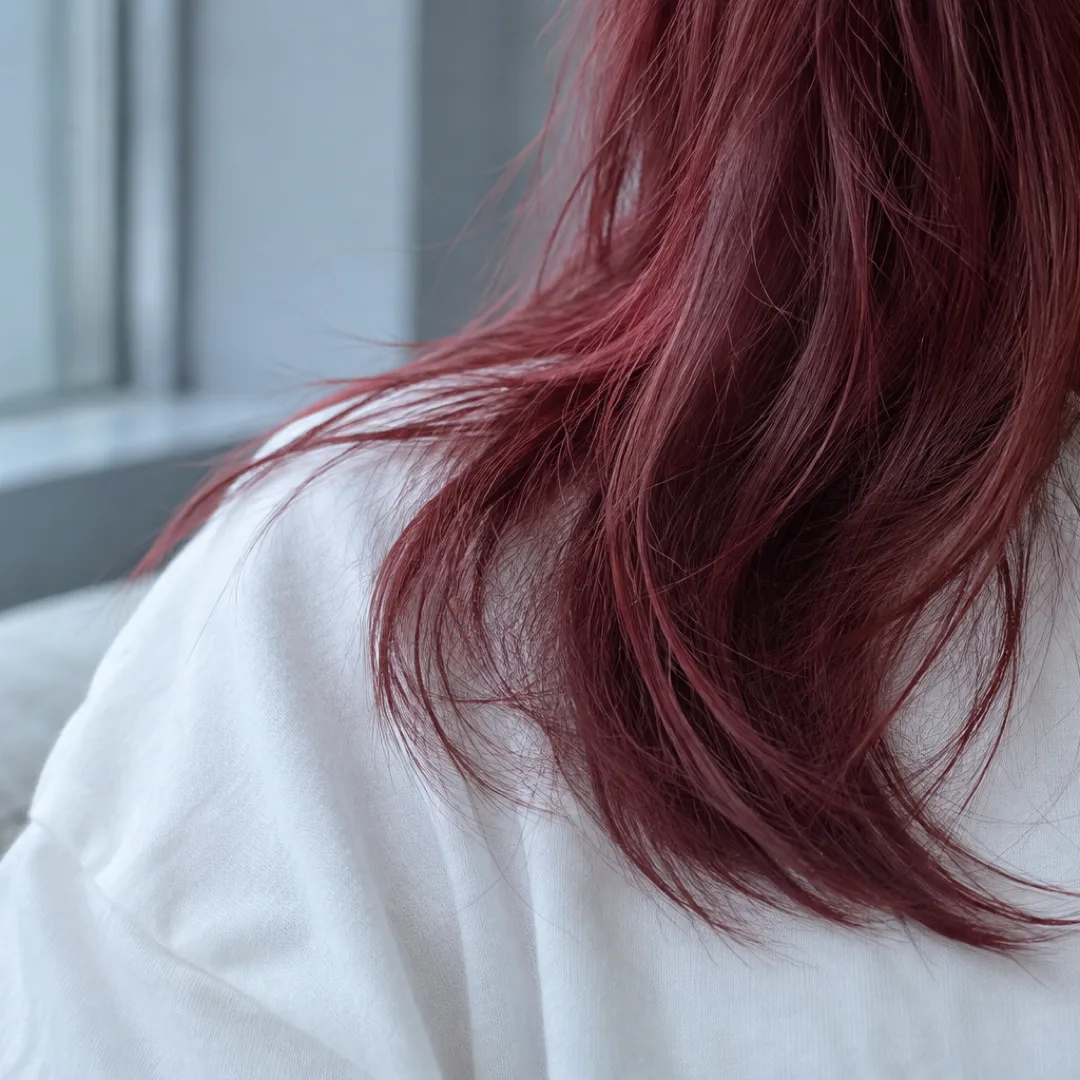
Hair color works by opening the outer cuticle layer so pigment can settle inside the strand. After the service, the cuticle needs some time to settle back down. Washing too soon can, in some cases, lead to more dye rinsing out, so the shade may look duller or fade faster than expected.
Stylists commonly describe this settling period as a matter of a couple of days, but it is a rule of thumb, not a fixed law. Permanent color, semi-permanent color, bleach toners, and vivid fashion shades can all behave differently. Vivid reds, pinks, and blues are often described as more prone to bleeding, so their aftercare tends to be stricter.
Going to work or heading out
Typical return point
Most people can go to work, run errands, and see friends right after leaving the salon. Fresh color does not limit normal daytime activity. The main thing to manage is how you style and protect your hair while you wait to wash it.
The reason
The waiting period is about not rinsing the hair, not about staying home. Dry styling, light brushing, and everyday movement generally do not disturb the color. If you wear a hat, a scarf, or a hoodie, it is worth knowing that a very wet or sweaty environment can be a different story.
Exceptions
Rain is the obvious one. A heavy downpour can soak new color, and with vivid shades the runoff may stain light clothing, towels, or pillowcases. Many people with fresh bold color keep an old pillowcase or a dark towel on hand for the first few nights. If your color is very new and a storm is forecast, a hood or umbrella is a reasonable precaution.
Working out and sweating
Typical return point
Light activity such as walking or gentle stretching is usually fine from day one. Heavier workouts that cause a lot of scalp sweat are often put off until after the first wash, which many stylists place at around the two-day mark.
The reason
Sweat is moisture, and moisture on a freshly colored scalp and hairline can encourage dye to shift. Salt and friction from headbands or helmets may add to the problem. The color is not ruined by one sweaty session, but it can look slightly less even or fade a little sooner.
Exceptions
Swimming is the activity most commonly flagged. Chlorinated pool water and salt water are often described as harder on color, and they can also affect lighter or toned shades in unexpected ways. If you swim regularly, ask your stylist how to time your next appointment and what to plan around it. If you have a competition, a wedding, or another fixed date, tell your stylist in advance so the service can be scheduled with it in mind.
Washing, styling, and daily care
Typical return point
This is where the main waiting window applies. A first shampoo is most often suggested after about 48 hours, and some stylists recommend a little longer for vivid or heavily lightened hair. Others are comfortable with a shorter wait for certain permanent shades, so the instructions you were given at the salon are the best guide.
The reason
Giving the cuticle time to close helps the pigment stay put. When you do wash, many people choose lukewarm rather than hot water, since heat can open the cuticle again. Shampoos labeled color-safe or sulfate-free are widely used for this purpose, though how much difference they make can vary by person and by dye. Check with your stylist about which products suit your hair.
Dry shampoo, heat, and makeup
Between washes, dry shampoo is a common way to manage oil without wetting the hair. Heat styling tools are often kept to a minimum in the first days, because heat may dull some shades. If you plan to use makeup, a hairline can pick up transfer from fresh dye, so a gentle approach near the forehead and ears helps keep things tidy. Skin and scalp sensitivity differs, so if you notice stinging, redness, or itching after coloring, stop and contact your stylist or a healthcare professional.
Exceptions
If your scalp feels very uncomfortable, or if you suspect a reaction to the dye, do not wait out a rule of thumb. Rinsing may be necessary, and a stylist or clinician can advise you. The U.S. Food and Drug Administration notes in its general guidance on hair dyes that allergic reactions can happen and that product directions, including patch-test advice where given, should be read carefully.
Related reading: How to Prepare Hair for a Haircut: Fix These Mistakes First
Alcohol, saunas, and other things to approach carefully
Typical return point
Drinks out with friends are not a problem for your color. What deserves caution are hot, steamy, or chemical-heavy environments: saunas, steam rooms, hot tubs, and long hot baths. These are commonly avoided until after the first wash and sometimes a little beyond.
The reason
Heat and steam can open the cuticle and encourage dye to release, while hot tub water often contains chlorine or other treatments that may strip or shift color. Long exposure to strong sun is another factor, since sunlight is commonly linked with fading in some shades.
Exceptions
If a sauna or beach day is unavoidable, a hat, a scarf, or a leave-in product recommended by your stylist can reduce exposure. Anyone with a sensitive scalp, a medical condition, or concerns about heat exposure should check with a healthcare professional rather than rely on general tips.
Frequently asked questions
Can I rinse with plain water before the waiting period ends?
Plain water still wets the hair, so most stylists suggest avoiding it during the main waiting window unless there is a reason. If you must rinse, such as for product on the scalp or irritation, keep it brief and use cooler water, then ask your stylist whether the shade needs a touch-up. Individual cases vary.
Does the waiting time change for bleach or very light blonde?
It can, because lightened hair is often more porous and may hold onto color differently. Some stylists recommend a longer gap before the first wash, or a specific toning or conditioning plan. Your stylist knows what was done to your hair and is the best person to confirm the timing.
What if the color looks uneven after my first wash?
Some unevenness can appear as the shade settles, especially with vivid or semi-permanent color. A few days of normal wear and gentle care may show how it truly looks. If patches or an off tone persist, contact the salon, since many offer guidance or a follow-up visit.
What counts as a reason to wash later than planned, or sooner?
Delaying a wash a little is often fine if you have extra time, but there is a limit. If your scalp itches, burns, swells, or feels sore, or if there is a strong chemical smell lingering, do not keep waiting. In those cases, contact your stylist or a healthcare professional promptly, since comfort and safety take priority over color retention.
In short, the answer to how long to wait before washing new color is a rule of thumb of roughly two days, adjusted for your formula, hair type, and your stylist's instructions. When the timeline slips, the practical standard is simple: let your stylist's advice lead, and treat any scalp discomfort as a reason to act sooner.
Disclaimer: This article is for informational purposes only and is not a substitute for professional medical advice, diagnosis, or treatment. Please consult a licensed professional for personal health decisions.