How to Care for Hair After a Perm, One Habit at a Time
The easiest way to care for hair after a perm is to attach a few gentle new actions to routines you already follow, such as brushing your teeth, making coffee, or setting your alarm. Habit-linking works because you do not have to remember a brand-new schedule; the old habit becomes the reminder. Perm aftercare is mostly about being gentle, keeping hair moisturized, and avoiding stress on freshly reshaped strands, and those goals fit nicely into everyday moments.
A perm changes the internal structure of the hair using chemical solutions, so the strands often feel drier, more porous, or more delicate afterward. Reactions and results differ from person to person, and they depend on hair texture, previous coloring or bleaching, and the type of perm. The ideas below are general, informational, and meant to be adapted to your own hair. Your stylist knows exactly what was done to your hair and is the best source for personal advice.
Finding the Everyday Habits You Can Build On

Before adding anything, take a quick look at what you already do without thinking. Habits that happen at the same time and place every day make the most reliable anchors. A good anchor is something you almost never skip, because a new behavior piggybacks on it.
Anchors that tend to work well
- Morning wake-up: checking your phone, turning off the alarm, or stretching.
- Shower time: turning on the water, washing your face, or reaching for your shampoo.
- Getting dressed: picking out clothes or putting on a jacket.
- Evening wind-down: brushing your teeth, setting out tomorrow's outfit, or charging your phone.
- Bedtime: pulling back the covers or turning off the lamp.
Why the anchor matters more than motivation
Motivation fades, especially a few weeks after a salon visit when the curls no longer feel brand new. An anchor does not rely on enthusiasm. If your new action is tied to something that already happens, it is far more likely to stick, even on tired or rushed days.
Start small on purpose
Choose two or three anchors rather than six. It is tempting to overhaul everything at once, but a smaller set of actions you actually do beats an ambitious routine you drop by Thursday. You can always add more once the first few feel automatic.
Gentle Actions Worth Attaching to Those Habits
Now pair each anchor with a low-effort action. The pairings below are examples, not rules, and your stylist may suggest different timing or products based on your hair. Many stylists commonly advise being careful with washing and heat during the first couple of days after a perm, so it is worth asking exactly how long to wait in your case.
Shower habits
- When you turn on the water, check the temperature. Very hot water can leave hair feeling drier, so many people prefer lukewarm water for permed hair.
- When you reach for shampoo, reach for a gentle option. Products labeled as moisturizing or made for chemically treated hair are widely used, though individual scalps and strands react differently.
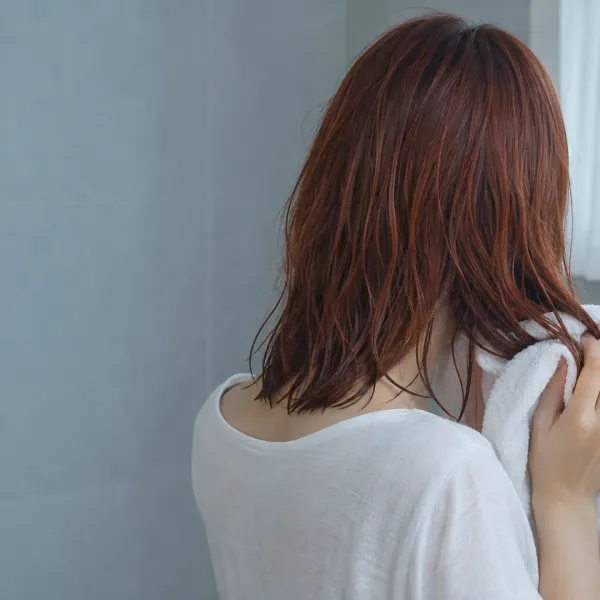
- When you finish rinsing, pat instead of rub. Squeezing out water with a soft towel or a cotton T-shirt is generally considered kinder to curls than rough toweling.
Morning habits
- While your coffee brews, loosen your hair with your fingers. Finger-styling is often preferred over frequent brushing, which can disrupt curl patterns and add frizz.
- When you get dressed, think about what touches your hair. Tight collars, heavy scarves, and snug hoods can rub strands, so a smoother fabric may be gentler.
- Before leaving the house, consider tight hair ties. Tight elastics and clips can create tension and breakage on delicate hair, and softer options such as fabric scrunchies are commonly suggested.
Evening and bedtime habits
- When you brush your teeth, check your hair for tangles. If you do detangle, a wide-tooth comb is commonly recommended over a fine brush, starting from the ends and working upward.
- When you turn down the bed, think about your pillowcase. Smooth fabrics like satin or silk are popular for reducing friction, though some people are perfectly happy with regular cotton.
- When you set your alarm, loosely tie up or cover your hair if that suits you. A loose style, such as a soft braid or a bonnet, can help curls hold their shape overnight for some people.
Moisture and conditioning habits
Permed hair is often described as thirstier than untreated hair, so moisture-focused steps come up often in aftercare advice. Anchoring a conditioning step to your weekly routine, such as a particular day or a favorite show, can make it easier to keep going. How often you condition, and which products suit you, depends on your hair type and what your stylist suggests, and product directions should be followed as written.
Leave-in conditioners, light oils, and curl creams are widely used, but they do not suit everyone. Fine hair can feel weighed down by heavy products, while thick or coarse hair may want more richness. If you are unsure, ask your stylist what fits your texture, and ask a pharmacist or doctor before using any product on a sensitive or irritated scalp.
Heat and styling habits
Heat tools can be tough on hair that has already been chemically processed. Many stylists suggest limiting blow dryers, flat irons, and curling irons, and air drying or using a diffuser on a low setting is often mentioned for permed hair. A simple pairing is to link "reaching for the dryer" with a pause: ask yourself whether you really need it today.
If you do use heat, a heat-protectant product is commonly suggested, though it does not eliminate the chance of dryness. Chemical treatments like coloring, bleaching, or straightening on top of a perm add further stress, so it helps to talk with your stylist about timing before booking anything else.
Sun, pool, and sea habits
Sun, chlorine, and salt water can leave processed hair feeling drier. A habit link here might be "when I grab my towel for the pool, I also grab a hat or a loose protective style." Rinsing hair with fresh water after swimming is a commonly mentioned step, and your stylist can tell you if anything more is worth doing for your hair.
Recovering When the Routine Falls Apart
Here is the part most routine advice skips: you will miss days. You will fall asleep with wet hair, run out of conditioner, or tie your hair up too tight on a hectic morning. Planning for that in advance keeps one slip from turning into giving up altogether.
Recovery rules that keep things simple
- Never miss twice. One skipped day is just a skipped day. The goal is to return to the anchor habit the next time it comes around.
- Shrink the habit, do not abandon it. If a full routine feels like too much, do only the smallest version, such as patting hair dry instead of rubbing, and call it a win.
- Do not try to make up for it. Doubling up products or over-conditioning to "catch up" can leave hair feeling heavy or greasy, and it does not undo a rough day.
- Change the anchor, not the goal. If an anchor stops working because your schedule changed, pick a new one rather than deciding the whole plan failed.
- Keep a backup spot. Leaving a wide-tooth comb or a soft hair tie where you will see it reduces the effort of restarting.
When hair feels worse than expected
Some dryness, frizz, or a chemical smell in the first days after a perm is commonly described as normal, but how long it lasts differs between people. If hair feels extremely brittle, breaks easily, or does not settle over time, it is worth going back to your stylist to ask what might help. A stylist can review what products were used and whether your hair needs a different approach.
When to seek professional care
Scalp reactions deserve more attention than cosmetic frustration. According to the U.S. Food and Drug Administration's general consumer guidance on hair products, reactions to chemical hair treatments can happen, and people who notice problems are encouraged to stop using the product and contact a health professional. Consider reaching out to a doctor or dermatologist if you notice:
- Persistent burning, stinging, or intense itching on the scalp
- Redness, swelling, blistering, or open sores
- Noticeable hair loss or bald patches
- Symptoms that seem to be getting worse rather than better
Seek urgent care if you have trouble breathing, facial swelling, or a severe allergic-type reaction. Anyone with a history of sensitive skin, allergies, eczema, or a scalp condition may want to talk with a professional before and after chemical treatments.
Related reading: Why Does Hair Get Greasy So Fast? What Your Scalp Is Doing
Know the limits of home care
Even a consistent routine cannot reverse structural damage, and no product or habit can promise a particular result. Aftercare mostly helps hair feel more comfortable and look more cohesive while the curls settle in and grow out. If you are weighing another chemical service, a trim, or a change in your curl plan, a stylist can give guidance based on what they can see and feel in your hair.
Wrapping Up Your Perm Aftercare Plan
Learning how to care for hair after a perm does not have to mean a complicated regimen. Choose a few anchors you already trust, pair each with one gentle action, and expect to slip now and then. Because every head of hair responds differently, your stylist remains the best person to confirm what suits your texture and treatment.
Your first two weeks: three simple rules
- Pick two anchors and attach one gentle action to each, such as patting hair dry after the shower and using a soft hair tie in the morning.
- Follow your stylist's specific instructions first, especially about when to wash and which products to use, and check product labels for directions.
- If you miss a day, simply resume at the next anchor, and contact a professional if your scalp or hair seems to be reacting badly.
Disclaimer: This article is for informational purposes only and is not a substitute for professional medical advice, diagnosis, or treatment. Please consult a licensed professional for personal health decisions.