How to Prepare Hair for a Haircut: Fix These Mistakes First
A lot of people figure the best way to prepare hair for a haircut is to wash it, blow it out perfectly, and style it the way they hope it will look afterward. It feels logical, but it often backfires. A heavily styled head of hair hides your natural texture, your growth patterns, and the way your hair actually falls, and those are the things a stylist most needs to see.
The good news is that getting ready for a cut is mostly about doing less, not more. This guide walks through the habits that tend to cause trouble, explains why they cause it, and offers a practical alternative for each one. Hair types and salons differ, so treat this as general information and not a rule book.
Common mistakes people make before a haircut

Most of these mistakes come from good intentions. People want to look put together, or they want to help the stylist, or they are trying to save time. Here is where it tends to go sideways, with a reason and a fix for each.
Mistake one: styling your hair to look "finished"
Many people arrive with a polished blowout, curled ends, or a smooth flat-ironed finish. The reason this backfires is simple: heat and product temporarily change how your hair behaves. Waves can look straight, curls can look looser, and a cowlick can disappear for a few hours. Once you wash it at home, the real pattern returns, and the cut may not sit the way you expected.
The better move: Arrive with your hair in a clean, natural state, styled lightly or not at all. If you usually wear your hair a certain way day to day, aim for that everyday version, because that is the hair the cut needs to work with.
Mistake two: showing up with very dirty or product-heavy hair
On the opposite end, some people skip washing entirely, thinking the stylist will shampoo anyway. Heavy buildup from oils, dry shampoo, sprays, or wax can weigh hair down and make it look different from how it really is. It can also make sections stick together, which makes precise sectioning harder.
The better move: Wash your hair a day or so before, or at least make sure it is reasonably clean and free of heavy product. Hair that is lightly lived-in tends to be easy to work with, and many salons shampoo during the appointment regardless.
Mistake three: soaking your hair or using a harsh clarifying routine right before
Some people try to "reset" their hair with an intense deep clean or a long conditioning session just before the appointment. The reason this can be a problem is that strongly stripped hair may feel dry and rough, while very heavy conditioning can leave it slick and limp. Neither state shows your hair at its normal baseline.
The better move: Keep your usual wash routine. Consistency matters more than any special pre-salon treatment. If you are curious whether a particular product suits your scalp or hair, a salon professional or a dermatologist can advise you.
Mistake four: trimming or "cleaning up" your own ends beforehand
A quick snip at home can seem harmless, especially around the face or the back. The trouble is that uneven bits are tough to correct later without removing more length than you wanted. Home trims can also leave a stylist working around lines that do not match the shape they would have planned.
The better move: Leave the scissors alone until after the appointment. If something is bothering you, mention it, and let the stylist decide how to handle it.
Mistake five: arriving with no idea what you want
Walking in and saying "just a trim" or "do whatever you think" leaves a lot open to interpretation. One person's trim is a quarter inch, and another's is two inches. The mismatch is a common reason people feel disappointed afterward.
The better move: Bring two or three reference photos and be ready to describe your daily routine. More on that in the next section.
Mistake six: arriving with tight styles still in
Braids, tight ponytails, buns, and clips can leave kinks, dents, and flattened sections. Those marks can distort how the hair falls, and tight styles worn for long stretches can also stress the hairline for some people.
The better move: Take hair down gently well before you leave home, brush or finger-comb it, and give it time to settle.
What to do instead: a simple preparation routine
Preparation does not need to be complicated. The aim is to show up with hair that looks and behaves like your regular hair, along with clear information to share.
Start with your normal clean hair
Shampoo and condition the way you usually do. If your hair tends to be flat on day one and cooperative on day two, you may prefer to book around that rhythm. For most people, clean, dry or lightly damp, product-light hair is a good starting point.
Detangle gently
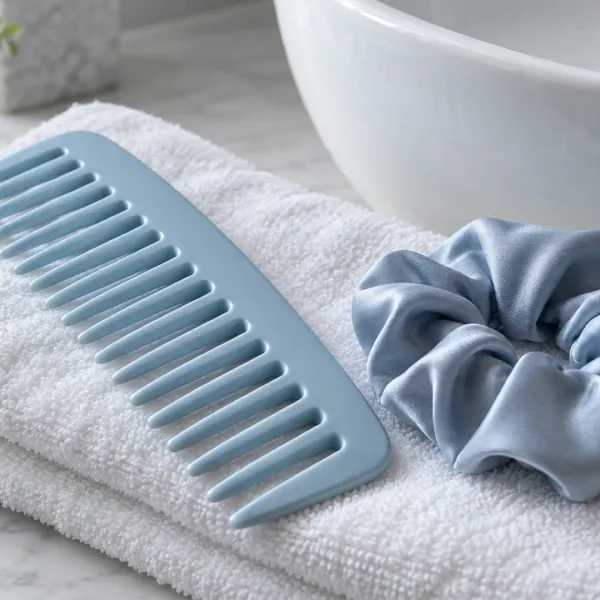
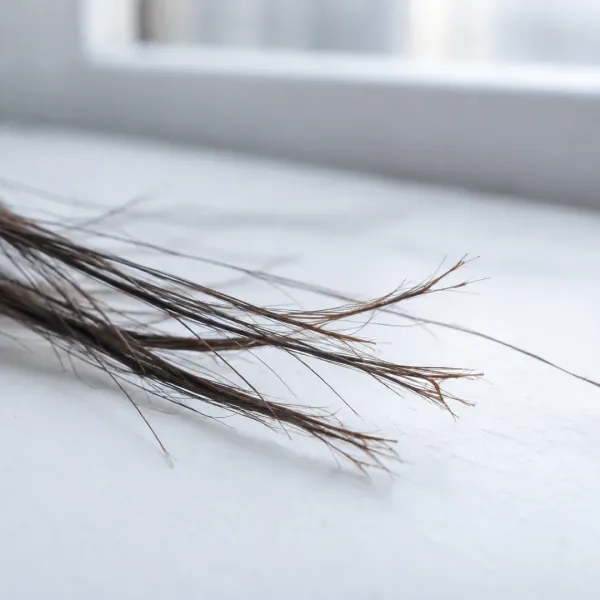
Work through knots with a wide-tooth comb or a brush that suits your hair type, starting at the ends and moving upward. Rough detangling can cause breakage, particularly on wet hair, and arriving with big knots can slow things down in the chair. Curly and coily hair often needs extra patience and a slip-friendly approach, so go with whatever you normally find gentle.
Part your hair the way you normally wear it
Your usual part affects how layers, bangs, and face-framing pieces fall. If you switch your part around, tell the stylist which side you favor most days. This small detail can make a visible difference in the final shape.
Gather your reference photos
Photos are one of the most helpful tools you can bring. Try to choose pictures of people whose hair texture and density are similar to yours, because a style that looks effortless on straight, fine hair may behave differently on thick or curly hair. Include an image of what you do not want, too, since it clarifies your limits quickly.
Think through your real-life habits
Before you go, ask yourself a few honest questions, and be ready to share the answers:
- How much time do you realistically spend styling in the morning?
- Do you air-dry, blow-dry, or use hot tools most days?
- How often are you willing to come back for upkeep?
- Do you wear your hair up often for work or sports?
- Have you colored, bleached, relaxed, or chemically straightened your hair recently?
Chemical history matters because processed hair can respond differently to cutting and styling. Sharing it helps the stylist plan the cut and talk through realistic expectations.
Give yourself a little buffer on the day
Arriving a few minutes early lets you chat about the cut without feeling rushed. It also gives you time to mention anything unusual, such as a sensitive scalp, a recent skin reaction, or an allergy to a product. If you have a scalp concern like persistent irritation, flaking, or patchy hair loss, a qualified health professional is the right person to ask, not a salon visit alone. signs your scalp may need professional attention
Adjusting for different situations
The basics stay the same, but a few situations call for small tweaks. Individual hair and salon practices vary, so use these as starting points for conversation.
If you have curly or coily hair
Some stylists prefer to cut curly hair dry, so they can see how each curl springs and sits. Others like to start with hair damp. It helps to ask in advance, and to arrive with your hair in its natural, defined state if the salon suggests it. Avoid stretching or heat-styling it flat before you go, since that can disguise your curl pattern.
If you have fine or thin hair
Heavy products can flatten fine hair and make it hard to judge its density. Going light on product and mentioning how your hair behaves by the end of the day can help the stylist choose a length and shape that adds movement without looking sparse.
If you have thick or very dense hair
Thick hair can hide its own weight when it is piled up or tied back. Wear it down and mention if it feels heavy, puffs out, or takes a long time to dry. Those details help guide shaping and layering choices.
If your hair is color-treated or damaged
Be upfront about your color history and any heat or chemical damage. Honest information lets the stylist weigh how much length to keep and whether a more gradual change makes sense. Results vary, and some damage is simply best handled by cutting it away over time.
If you are growing your hair out
Say so clearly. Many stylists can focus on shaping and removing split ends while preserving length, but a "trim" can mean different things to different people. Agreeing on a rough amount at the start helps avoid surprises.
If you are making a big change
Going from long to short, or trying a bold new style, is easier to feel good about when you have given it some thought. Some people book a short consultation first, and some salons offer one. It is a low-pressure way to talk through options before any scissors come out.
If you are heading to a barbershop
Many of the same ideas apply. Arrive with clean, untangled hair, know your preferred length on the sides and top, and bring a photo if you have one. Mentioning how you usually style it helps the barber tailor the shape.
If you have a sensitive scalp or skin conditions
Let the salon know about any sensitivities before products are applied. Reactions to shampoos, dyes, and styling products vary from person to person, and a salon cannot diagnose scalp conditions. For ongoing irritation, a dermatologist or other licensed professional is the appropriate contact.
Frequently asked questions
Should I wash my hair right before a haircut or come in unwashed?
Clean, product-light hair is usually the easiest to work with, but you do not need a special routine. Many salons wash your hair as part of the service, so heavy buildup is the main thing to avoid. If you are unsure, a quick call to the salon will tell you their preference.
Isn't it better to style my hair nicely so I look good in the chair?
It is understandable to want to look put together, but styling can hide the very things a stylist needs to read, such as texture, wave pattern, and natural fall. Hair that is lightly styled or left natural tends to give a more accurate starting point. You will have plenty of chances to style it once the cut is done.
What if I forget to mention something and don't like the result?
Speak up as early as you can, ideally during the appointment, since small adjustments are often easier than big corrections later. Many salons are open to a follow-up conversation if something feels off. For next time, jotting down notes about your routine and bringing photos can help you feel prepared.
Preparing hair for a haircut really comes down to showing up with natural, clean hair, clear ideas, and honest information about your habits. Skip the heavy styling and home trims, share your hair history, and keep the conversation open with your stylist.
Disclaimer: This article is for informational purposes only and is not a substitute for professional medical advice, diagnosis, or treatment. Please consult a licensed professional for personal health decisions.