How to Keep Ends Healthy Between Trims
Knowing how to keep ends healthy between trims mostly comes down to reducing the daily wear that makes hair frayed, rough, and prone to splitting. Gentle handling, careful detangling, thoughtful heat habits, and consistent moisture-friendly routines can help hair look and feel better for longer, though no routine can permanently repair a split end. The order in which you make changes matters more than most people expect.
Anyone who has watched the bottom inch of their hair turn dry, snaggy, and see-through a few weeks after a haircut knows the frustration. The ends are the oldest part of the hair, so they have lived through the most brushing, washing, styling, sun, and rubbing against clothing. It is easy to reach for a new product every time they look rough. Solving the problem tends to work better in sequence: understand what is damaging the ends, change the habits that cause the most friction right away, build a few weekly habits, and then keep them going steadily. Here is how that looks in practice.
how often to trim hair based on hair typeUnderstanding What Is Happening to Your Ends
What a split end actually is
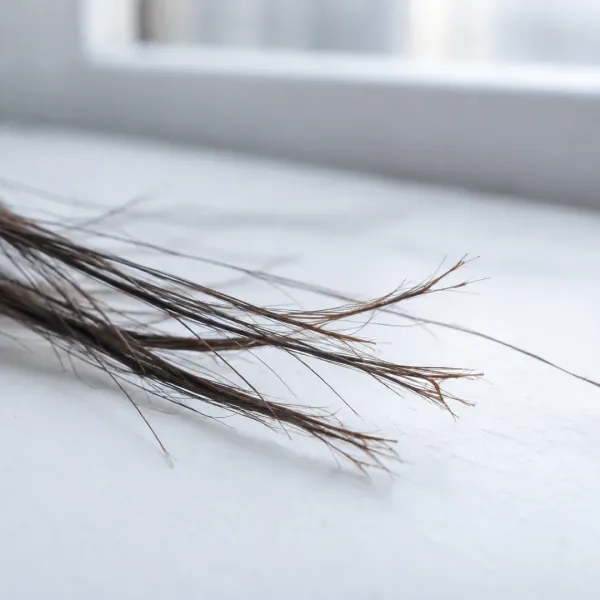
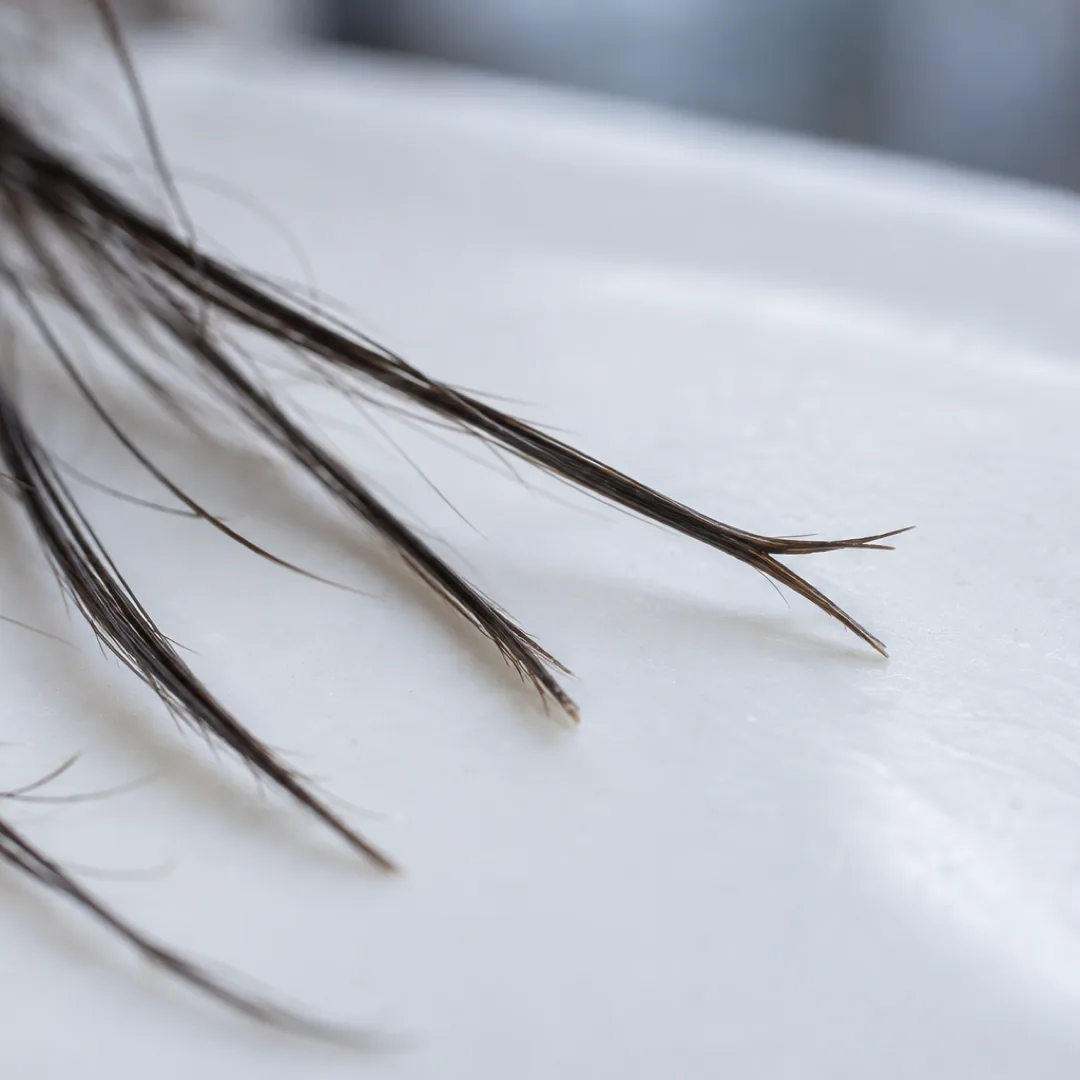
Hair is made of a protective outer layer and an inner core. Over time, brushing, heat, chemical processing, and weather can wear down that outer layer, and the strand at the tip can begin to separate. According to the American Academy of Dermatology Association's general hair care guidance, habits like rough brushing, frequent heat styling, and chemical treatments are commonly linked with dry, brittle hair that breaks more easily.
Because hair is not living tissue once it leaves the scalp, it cannot heal itself the way skin does. Products can smooth the surface, add slip, and make strands feel softer, but they generally cannot fuse a split back together. That is why trimming remains the reliable way to remove a split end, and everything else is about slowing down new damage.
Figuring out your main source of wear
Different hair types face different pressures. Fine, straight hair may show breakage from heat or tight elastics. Curly and coily hair is often drier by nature, since scalp oils travel down the strand less easily, and it can be more prone to tangles and knots. Color-treated or bleached hair has often been through chemical stress that leaves the outer layer more porous. Long hair simply has more time in contact with shirts, bags, and pillowcases.
Take a few minutes to look at your own ends in good light. Ask yourself a few things:
- Do the tips look frayed or white at the end of the strand, or does hair simply feel dry along its length?
- Do you find short broken pieces in your brush, or long strands with a small bulb at the root? Short pieces tend to point toward breakage rather than normal shedding.
- How often do you use hot tools, color, or relaxers?
- Does hair tangle heavily at the nape, where it rubs against collars and scarves?
The answers help you decide where to start. Results vary from person to person, so treat this as a way to prioritize rather than a diagnosis.
Step One: What to Change Right Now
The fastest wins come from reducing friction and mechanical stress. These changes cost little and can be made today.
- Detangle gently, starting from the bottom. Work through the ends first with fingers or a wide-tooth comb, then move upward in sections. The reason is simple: pulling a brush from the roots through a knot forces all the tangles down onto the ends, where strands snap. Many people find that detangling on damp, conditioned hair feels easier, though very fine or very curly textures can differ in what they tolerate.
- Loosen tight styles. Hair ties, clips, and tight ponytails can put stress on the same stretch of hair day after day. Switching to softer, fabric-covered ties or changing the position of a style now and then spreads out the strain. Elastics with metal pieces tend to catch and snag.
- Pause heat where you can. Hot tools are a common contributor to dry, rough ends. Skipping a styling session, lowering the heat setting, or letting hair air-dry part of the way before styling can reduce exposure. Follow the manufacturer's directions for any heat tool, and a stylist can explain what temperature range suits your hair type.
- Swap the surface your hair rests on. Cotton pillowcases and rough fabrics create friction overnight. Many people prefer smooth fabrics such as satin or silk, or a loosely secured protective wrap or bonnet. Evidence for the exact benefit is limited, but reducing rubbing is a sensible, low-risk idea for most hair types.
None of these steps will undo existing splits. They simply stop you from adding to the problem while you build a better routine.
Step Two: What to Set Up This Week
Once the daily friction is under control, the next layer is your washing and conditioning routine. This is where small adjustments often make a noticeable difference in how the ends feel.
Review how you wash and condition
- Focus shampoo on the scalp. Shampoo is designed mostly to cleanse the scalp and roots, where oil and product collect. Letting the rinse water carry suds down the lengths is usually enough for most people, which avoids scrubbing the oldest, driest part of the hair.
- Put conditioner where hair needs it most. Conditioner is generally used on the mid-lengths and ends because it helps smooth the outer layer and improve slip. How long to leave it in and how often to use it depends on your hair type and the product label. Thicker, curlier, or color-treated hair often prefers richer formulas, while fine hair can feel weighed down by heavy ones.
- Rinse and dry with care. Hot water can leave hair feeling rougher for some people, so many prefer lukewarm water. When drying, pressing hair gently with a soft towel or old cotton T-shirt creates less friction than rubbing or twisting.
- Adjust wash frequency to your hair. Oily scalps may need more frequent washing, while dry or curly hair is often washed less often. There is no single right schedule, and it can shift with season, activity level, and styling products.
Choose finishing products with realistic expectations
Leave-in conditioners, lightweight oils, and serums are widely used to add smoothness and reduce the look of frizz on the ends. They are cosmetic products, meaning they work on the surface of the hair, and they may help ends feel softer and look more polished over time. They do not repair a split strand.
If you are considering a heat protectant, bond-building treatment, or any product aimed at damaged hair, read the label and follow the directions printed there. Reactions vary, and people with sensitive skin, scalp conditions, or known allergies may want to ask a pharmacist or clinician before trying something new. According to the U.S. Food and Drug Administration's general cosmetic safety information, cosmetic products are not approved by the agency before they go on sale, so checking ingredient lists and doing a patch test as the manufacturer describes is a sensible habit.
choosing a conditioner for dry or damaged hairStep Three: What to Keep Doing Steadily
Healthy-looking ends are rarely the result of a single product. They come from a handful of habits repeated without much drama. Think of this stage as maintenance rather than rescue.
Build a gentle weekly rhythm
- Add a deeper conditioning step when hair feels dry. Many people use a richer mask or treatment now and then, especially for hair that is curly, coily, color-treated, or exposed to sun, chlorine, or salt water. Frequency depends on the product directions and how your hair responds. If hair starts to feel limp, greasy, or coated, it may be a sign to scale back.
- Protect hair from environmental stress. Sun, wind, and pool water can all leave hair drier. Wearing a hat, rinsing after swimming, or tucking hair into a loose style outdoors reduces exposure for many people.
- Keep tools in good shape. Brushes with worn bristles and combs with rough seams can catch strands. Cleaning brushes and replacing damaged ones is a small step that supports gentler detangling.
- Be thoughtful with chemical services. Bleaching, coloring, relaxing, and permanent waving all alter the hair structure to some degree. Spacing services out and discussing the condition of your ends with a licensed stylist beforehand helps set realistic expectations. Hair that is already very dry or breaking often handles additional processing poorly.
Think about nutrition and overall health in context
Hair growth is influenced by general health, including nutrition, stress, hormones, and certain medical conditions. A balanced, varied diet is generally considered supportive of overall health, but there is no food or supplement that has been shown to reverse existing damage to the ends. If you are thinking about a supplement for hair, ask a pharmacist or doctor first, since some products can interact with medicines or are unnecessary for people who already get enough from food.
Use trims as part of the plan, not a failure
Trimming does not make hair grow faster, but it removes the frayed portion before splits travel further up the strand. How often to trim varies widely with hair length, texture, styling habits, and personal goals. Many people choose a schedule that suits their hair and budget, such as every couple of months, and adjust it after talking with a stylist. Those growing hair out can request a small dusting that removes only the worst of the damage.
When Your Efforts Are Not Working
Sometimes you do all of the above and ends still look rough, break easily, or seem to be getting worse. That is a signal to step back and ask a professional, rather than layering on more products.
Talk to a licensed stylist when
- Ends keep splitting a short time after a trim, even with gentle habits.
- Hair feels gummy, stretchy, or mushy when wet, which can point to heavy chemical or heat stress.
- You are unsure whether your problem is dryness, breakage, or a mismatch between your products and your hair type.
- You want to plan color or straightening while protecting the length you have.
A stylist can look at your hair in person, feel its texture, and suggest a trim shape, a product routine, or a service schedule that fits. Their advice is practical and cosmetic in nature, so it is a good starting point for everyday hair care questions.
See a healthcare professional when
Ends are only one part of hair health. The American Academy of Dermatology Association notes that hair loss and scalp problems can have medical causes and that a board-certified dermatologist can evaluate them. Consider booking an appointment if you notice any of the following:
- Noticeable thinning, widening of the part, or patches where hair is missing.
- Itching, burning, redness, scaling, sores, or pain on the scalp.
- Sudden increases in shedding or breakage with no clear cause such as a new chemical service.
- Hair changes that appear alongside fatigue, weight changes, or other symptoms that concern you.
- A reaction such as swelling, blistering, or intense irritation after a hair product or chemical service.
If a product causes a reaction, stop using it and get advice from a pharmacist or clinician, especially if symptoms are severe or you have trouble breathing or swelling of the face, in which case urgent care is appropriate.
If you have tried gentler detangling, less friction, calmer heat habits, and a steady conditioning routine for a reasonable stretch and still struggle with how to keep ends healthy between trims, a stylist visit is the logical next move, and a medical check makes sense when the scalp or overall hair density seems to be changing. Trims, realistic expectations, and personalized advice work together far better than any single product.
Disclaimer: This article is for informational purposes only and is not a substitute for professional medical advice, diagnosis, or treatment. Please consult a licensed professional for personal health decisions.