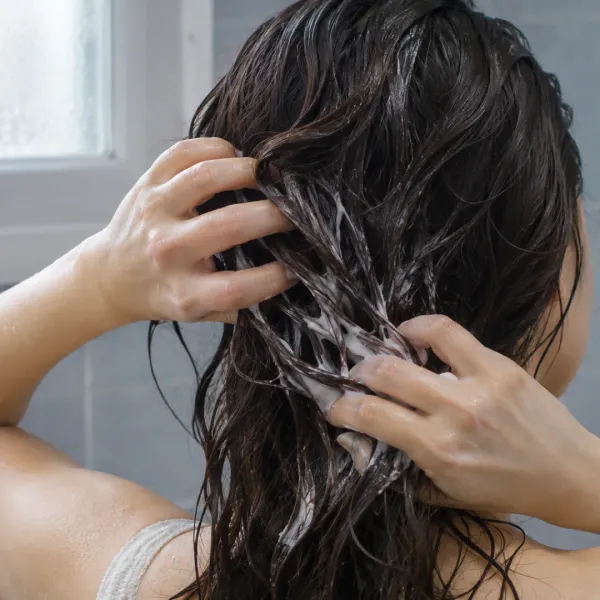
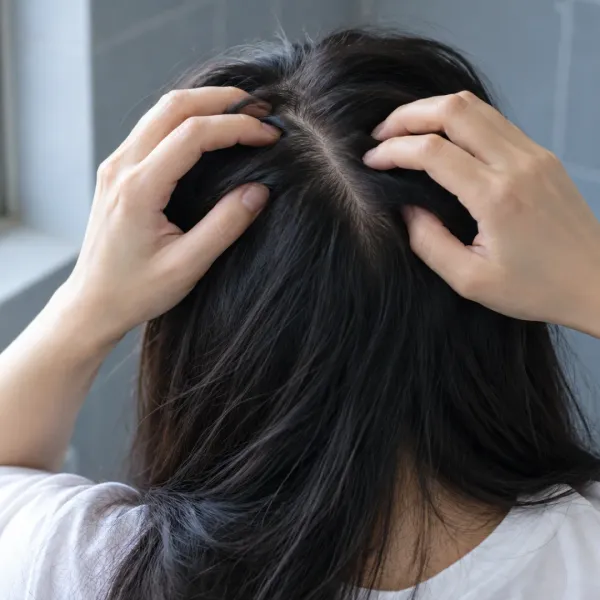
Water Temperature for Washing Hair: What Works Best
Someone steps into the shower, reaches for the tap, and hesitates: hot water feels great on a cold morning, but a friend swears cold rinses make hair shinier, and a stylist once mentioned lukewarm. For most people, the best water temperature for washing hair is comfortably warm, with a cooler rinse at the end if it feels pleasant. Extremely hot water tends to be harder on the scalp and hair, while very cold water may not rinse products out as comfortably, though individual preferences and scalp conditions differ.
Is warm water really the safest bet for washing hair?
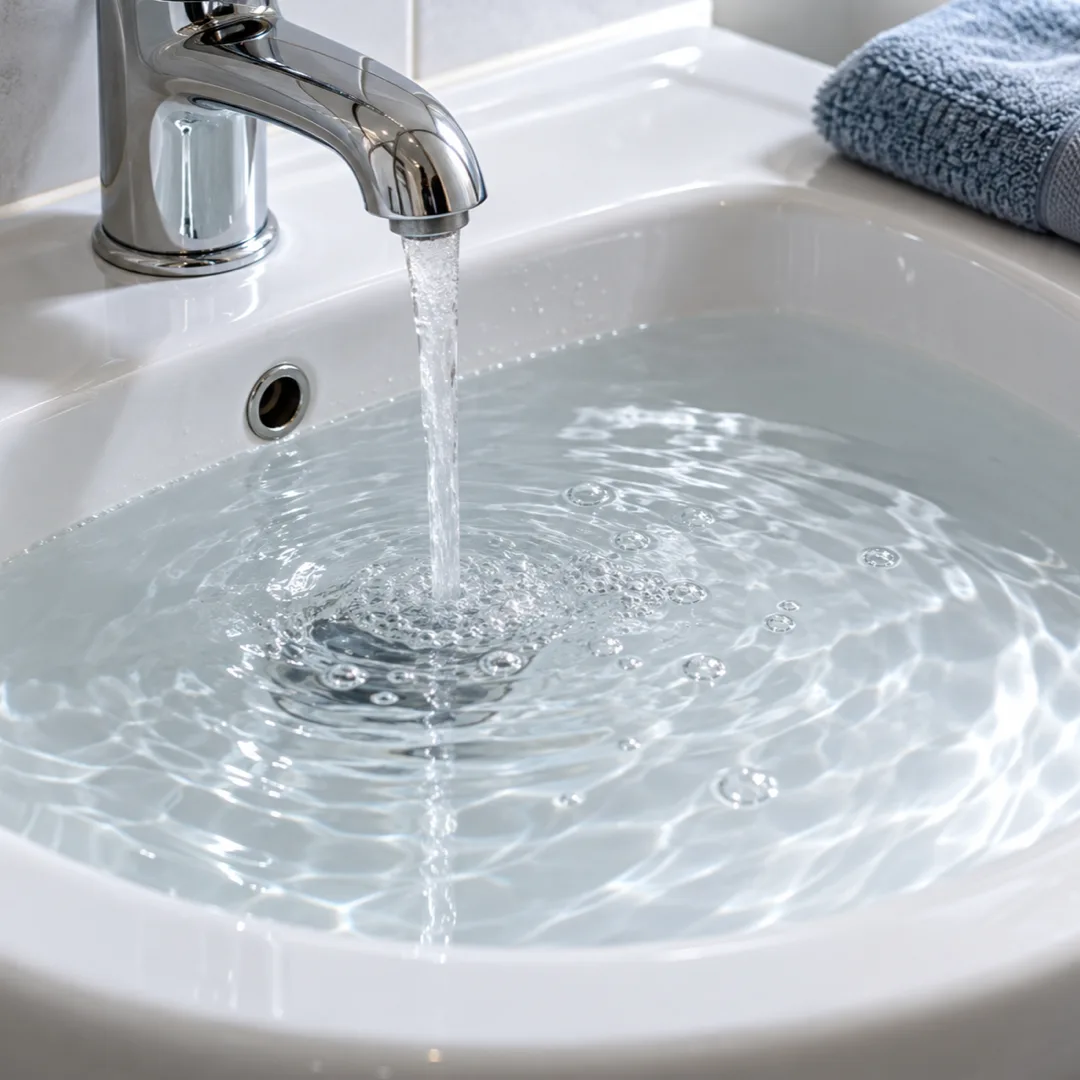
Lukewarm to comfortably warm water is the most commonly suggested choice for shampooing. It tends to loosen everyday oil, sweat, and product buildup without the stinging heat that can bother the scalp. If the water feels pleasantly warm on the inside of your wrist or the back of your hand, it is usually in a reasonable range.
The reasoning is fairly simple. Warm water helps shampoo spread and lather, and it makes rinsing feel easier. Hot water, on the other hand, can leave skin feeling tight or flushed, and the scalp is skin like any other. The American Academy of Dermatology's general hair-care guidance, for example, points toward gentle habits such as avoiding overly hot water and harsh handling.
What "warm" actually means in a shower
There is no single number that suits everyone, because home water heaters, pipes, and personal comfort vary widely. A practical test is how your skin reacts. If your scalp, ears, or neck turn red, feel prickly, or sting, the water is probably hotter than your skin prefers.
Comfort is also affected by the weather and the room. In a cold bathroom, water that seems barely warm may feel hot once you adjust. That is one reason to rely on how your skin feels rather than on the dial position.
Exceptions worth knowing
Some people are more sensitive to heat than others. Those with a dry, itchy, or easily irritated scalp often find that cooler water feels more soothing. People who use heavy styling products or lots of oil may find that slightly warmer water makes rinsing feel more thorough, though that still does not require hot water.
If you have a scalp condition that has been diagnosed, ask the clinician managing it whether water temperature matters for you. General advice cannot account for individual skin conditions.
Related reading: How to Wash Hair Less Often Without Greasy Roots
Does hot water damage hair, and does a cold rinse help?
Very hot water is generally considered rougher on both scalp and hair, while a cool rinse is a popular finishing step that some people enjoy. Neither is a cure-all, and results vary from person to person. What changes most is how the hair and scalp feel afterward, rather than any dramatic transformation.
Here is how the commonly discussed effects compare, without tying them to any specific numbers:
- Hot water: Often described as stripping more natural oil from the scalp, which can leave some people with a dry, tight, or itchy feeling. It may also contribute to dullness or a rougher feel in hair that is already dry, color-treated, or heat-styled.
- Warm water: Generally comfortable for lathering and rinsing, and the usual starting point for most hair types.
- Cool or cold water: Many people use it as a last rinse because it feels refreshing. Some find hair looks smoother afterward, though the visible difference is usually subtle and not the same for everyone.
Why hair texture and condition matter
Hair that is fine, dry, curly, coily, bleached, or colored often has a more fragile outer layer. For these hair types, heat from the shower can add to dryness on top of what styling tools and chemical treatments already do. Gentle handling and moderate temperatures are commonly suggested for them.
Oily scalps are sometimes assumed to need hotter water to "cut" the oil. In practice, a good shampoo and thorough, gentle massage do most of that work, and extra heat can leave the scalp irritated, which some people then feel the need to wash even more. If your scalp seems to get oily quickly, a lukewarm wash is a reasonable thing to try before assuming you need more heat.
The cool rinse: what is realistic to expect
The idea behind a cool rinse is that it may help the outer hair layer lie flatter, which can make hair feel smoother and look a bit shinier. Evidence for strong, lasting effects is limited, so it is best treated as an optional comfort habit rather than a repair step. Conditioner, gentle detangling, and heat protection usually matter more for how hair looks over time.
If cold water makes you tense up or rush through the rinse, it may not be worth it. Rinsing shampoo and conditioner out thoroughly matters more than the exact temperature of the final splash.
Related reading: Dry Shampoo Basics: What It Is and How It Works
How should you adjust water temperature for your scalp and hair type?
Start with comfortably warm water and adjust based on how your scalp and hair respond over several washes. There is no universal setting, so a bit of observation works better than a fixed rule. If your scalp feels tight, itchy, or looks flushed after showering, try easing the temperature down and see whether things settle.
Signs the water may be too hot
- The scalp looks red or feels tender after rinsing.
- Skin on the neck, ears, or forehead feels tight or itchy.
- Hair feels rougher, drier, or more tangled than usual.
- Color-treated hair seems to look duller sooner than expected.
These signs can have other causes too, such as the shampoo itself, product buildup, weather, or a skin condition, so temperature is only one possible factor.
Different hair situations
People with dry or curly hair often prefer lukewarm water for shampooing and a cooler rinse after conditioner. Those with color-treated hair commonly look for gentler handling overall, and many hair-care brands mention avoiding very hot water on their product pages, though that is brand guidance rather than a universal rule.
For an oily or sweaty scalp, warm water with a thorough but gentle lather is usually enough. Heavy scrubbing or very hot water may leave the scalp feeling more irritated rather than cleaner.
When to get professional input
If your scalp is persistently itchy, flaky, painful, or has patches of redness, scaling, or hair loss, water temperature is unlikely to be the whole story. A dermatologist or other licensed professional can look at what is going on and talk through options. The same applies if you have a skin condition, a recent scalp procedure, or sensitivity that makes showering uncomfortable.
For questions about medicated shampoos or scalp products, the product label and a pharmacist or clinician are the right places to check how and when to use them. Medicated products have their own directions, and those should not be replaced by general tips.
Small habits that work alongside temperature
Temperature is only one piece of a gentle wash routine. Wetting hair thoroughly before shampooing, massaging the scalp with fingertips instead of nails, and rinsing well can all make a difference in how the scalp feels. Letting hair air dry partway or using a lower heat setting on styling tools also tends to reduce additional dryness.
It also helps to think about how often you wash. Some people feel best with frequent washes, others with fewer, and both can be reasonable depending on hair type, activity level, and scalp comfort.
Frequently asked questions
Can the water temperature for washing hair affect color-treated hair?
It may, since color-treated hair often has a more porous, delicate surface. Many people choose lukewarm water and a cooler final rinse to be gentle, and some color products suggest avoiding very hot water. Your stylist or the product's label can offer guidance specific to your color service.
Is it a problem if I prefer hot showers for my body but cooler water for my hair?
Not at all, and many people do exactly that. You can keep the water warmer for your body and angle your head away, or lower the temperature when you reach the hair-washing step. The goal is simply whatever keeps your scalp comfortable.
Does hard water change what temperature works best?
Hard water can leave hair feeling heavy, dull, or less responsive to shampoo, but temperature alone does not fix that. Some people notice mineral buildup and look into clarifying products or filters, and a pharmacist, stylist, or product label can help you choose. If your scalp becomes irritated, a licensed professional can help sort out the cause.
Disclaimer: This article is for informational purposes only and is not a substitute for professional medical advice, diagnosis, or treatment. Please consult a licensed professional for personal health decisions.