How to Wash Hair Less Often Without Greasy Roots
Learning how to wash hair less often usually fails when people simply stop shampooing cold turkey and hope their scalp adjusts overnight. That approach tends to backfire because oil, sweat, and product pile up, the roots look flat and greasy, and many people give up after a few frustrating days. A gradual, scalp-aware plan generally works better, and this article walks through the common mistakes, what to do instead, and how to adapt the idea to different hair types and situations.
Results differ from person to person. Some people find that stretching out wash days feels easy, while others have scalps that simply need more frequent cleansing, and that is perfectly normal.
Common mistakes that make longer gaps between washes harder

Mistake one: quitting shampoo suddenly
Going from daily washing to rarely washing in one step is the most common slip. The reason it backfires is that the scalp is used to a certain rhythm, and a sudden change leaves you with visible oiliness before you have learned what your hair can actually tolerate. A more realistic alternative is to add one extra day between washes, hold that pattern for a couple of weeks, and then reassess. Small steps make it easier to notice what your own hair is telling you.
Mistake two: over-cleansing on wash day
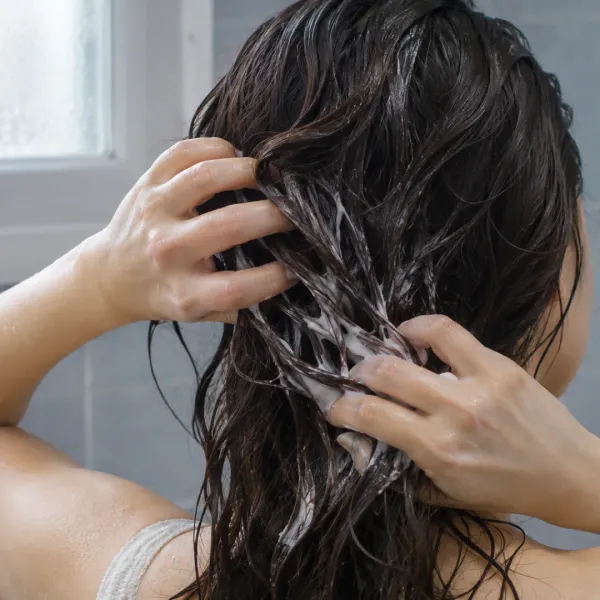
Many people lather shampoo through the whole length of the hair and scrub hard, believing a harsher clean will buy more time. In practice, aggressive cleansing can leave the scalp feeling tight or irritated, and the hair ends dry and frizzy. The gentler alternative is to focus shampoo on the scalp, where oil and buildup collect, and let the rinse water carry suds through the lengths. Conditioner is typically kept to the mid-lengths and ends rather than the roots.
Mistake three: piling on dry shampoo
Dry shampoo can be a handy bridge between washes, but layering it day after day may leave residue on the scalp. That residue can feel itchy or look dull, and it sometimes makes hair feel heavier rather than fresher. Treat it as an occasional helper instead of a daily replacement for cleansing. Product labels explain how each formula is meant to be used, so it is worth reading them before relying on one.
Mistake four: touching and brushing the roots constantly
Hands carry oil, and frequent brushing from the scalp downward moves natural oils toward the ends quickly. For some hair types that is helpful, but for fine, straight hair it often makes roots look greasy sooner. A better habit is to keep hands off the hair during the day where possible and to brush gently before bed or before styling rather than repeatedly.
Mistake five: using heavy products near the scalp
Rich oils, thick creams, and heavy styling products applied at the roots can make hair look dirty faster. They also make each wash day longer and harder. Keeping richer products to the ends, and choosing lighter textures for the crown, can help the hair stay fresh looking for longer stretches.
Mistake six: ignoring sweat and environment
Some people stretch washes out regardless of how much they sweat, commute in polluted areas, or exercise. Sweat and environmental grime can irritate the scalp when left for too long, and they may contribute to odor. Plans that ignore your actual daily activity tend to feel miserable. Adjusting around real life, not an arbitrary target, keeps the habit sustainable.
What to do instead: a gentler path to fewer wash days
Stretch the gap gradually
Think of it as retraining your routine rather than your scalp. Many people find that adding a single day between washes, then waiting before adding another, feels manageable. There is no universal number of days that is right for everyone, and hair that looks and feels comfortable to you is a better guide than a calendar.
Cleanse the scalp thoughtfully
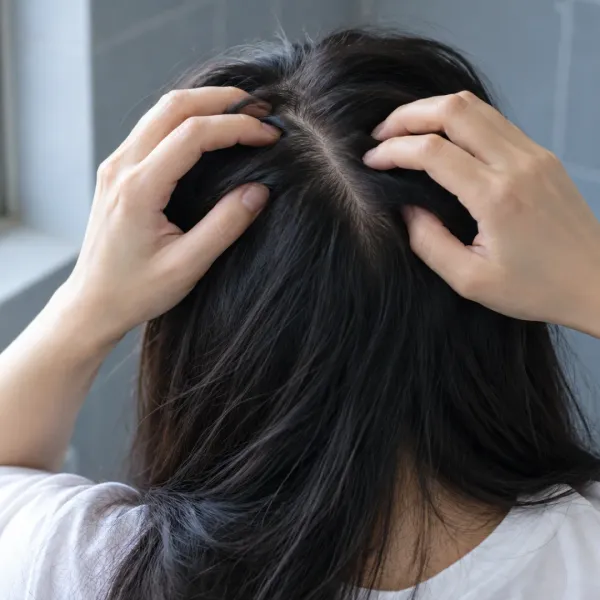
The scalp is where most oil and buildup sit, so it deserves the attention on wash day. Using the pads of the fingers, not the nails, is a common recommendation to avoid scratching. According to the American Academy of Dermatology general guidance on hair care, how often you shampoo depends on your hair type, scalp condition, and lifestyle, so there is no single schedule that fits everyone.
Choose products that match your scalp
Oily scalps often do better with lightweight, clarifying-style shampoos, while dry or curly hair frequently benefits from more moisturizing formulas. Switching products can influence how quickly roots look oily, but it is not a quick fix. Give a new product a fair trial and watch for itching, redness, or flaking, which may signal that it does not suit you.
Use non-wash refresh techniques
Between washes, a few low-effort habits can help hair look tidier without a full wash:
- Change your hairstyle: Braids, buns, twists, and loose ponytails can disguise roots and reduce friction.
- Use a soft towel or cloth: Gently blotting oily areas can absorb surface shine.
- Try a silk or satin pillowcase: Smoother fabric may reduce tangling and frizz overnight.
- Rinse with water only: A plain water rinse can refresh hair after a workout without stripping it.
- Use dry shampoo sparingly: Occasional use can add volume, but it is not a substitute for cleansing the scalp.
Related reading: How to Choose a Conditioner for Your Hair Type
Protect hair so it stays cleaner longer
Wearing hair up during exercise, covering it in smoky or dusty environments, and keeping hats and headbands clean can all reduce how fast hair feels dirty. Heat styling tools and rough towel drying also stress hair, so lowering that friction can help the overall look between washes.
Adjusting for different hair types and situations
Fine or straight hair
Fine, straight hair tends to show oil quickly because natural oils travel down the strand easily and there is little volume to hide it. People with this hair type often find that stretching the gap takes more patience. Lightweight products, root-lifting styles, and occasional dry shampoo may help, though some will still prefer washing more often, and that is a valid choice.
Thick, wavy, or curly hair
Curly and coily hair usually receives less natural oil along the length because the strand shape slows its journey downward. Many people with these textures wash less often by habit, and frequent shampooing can leave the hair feeling dry. The focus is often on moisture, gentle detangling, and protective styles. Because needs vary widely, it is worth paying attention to how your own curls respond.
Oily scalp
An oily scalp can make longer gaps more challenging. Rather than forcing it, some people choose a rhythm that keeps the scalp comfortable and focus on gentler cleansing. If oiliness seems unusually intense or comes with flaking, redness, or itching, a professional can help sort out whether something else is going on.
Dry or color-treated hair
Dry, bleached, or color-treated hair is often more fragile, and fewer washes may be part of keeping it comfortable. Color can also fade with frequent washing for some formulas, so many people appreciate the longer gap. Even so, the scalp still needs periodic cleansing, so the goal is balance rather than avoidance.
Active lifestyles and hot climates
If you exercise often or live somewhere hot and humid, sweat becomes a bigger factor. A water rinse after workouts, a clean headband, and a quick scalp-focused cleanse when needed can fit alongside a generally lower wash frequency. Think of fewer washes as a flexible goal, not a rule that overrides comfort.
Related reading: Kids Hair Washing Basics for Everyday Care
When to check in with a professional
Persistent itching, scaling, redness, sudden hair shedding, painful areas, or a scalp that feels irritated no matter what you try are good reasons to talk with a dermatologist or other licensed clinician. According to the American Academy of Dermatology, dandruff-like flaking and scalp irritation can have several different causes, and a professional can help work out what applies to you. Medicated shampoos in particular come with their own directions, so ask a pharmacist or clinician before using one, and follow the product label.
Frequently asked questions
Will my hair get greasier before it gets better?
Some people notice an adjustment period when they first stretch out their washes, though not everyone does. Whether the scalp actually changes how much oil it produces is not settled, and experiences vary. Going slowly and using styling tricks for the in-between days can make the transition feel easier.
Is it unhygienic to wash my hair less often?
Not necessarily, as long as the scalp stays comfortable and free of persistent odor, itching, or flaking. Hygiene needs depend on sweat, environment, and scalp condition, so a person who works out daily may reasonably wash more often than someone who works at a desk. If you notice irritation or a strong smell that does not go away, that is a signal to adjust your routine or check in with a professional.
Do I still need conditioner if I shampoo less?
Often yes, especially for hair that is dry, long, curly, or color-treated, since conditioner is mainly used on the lengths and ends. Some people alternate between a full wash and a water-and-conditioner rinse on in-between days. How much conditioning your hair wants depends on its texture and condition, so pay attention to how it feels.
Finding your own rhythm for how to wash hair less often is a matter of small experiments, not a fixed target, and the right pattern is the one that keeps your scalp and hair comfortable. If something feels off along the way, a licensed professional can help you sort it out.
Disclaimer: This article is for informational purposes only and is not a substitute for professional medical advice, diagnosis, or treatment. Please consult a licensed professional for personal health decisions.