Kids Hair Washing Basics for Everyday Care
Parents tend to search for kids hair washing basics around the time a child's routine changes: a first swim class, a growth spurt in hair length, a new school with more messy play, or a toddler who suddenly hates bath time. Children's scalps and hair are not just smaller versions of adult ones, and the advice floating around online often assumes they are. That mismatch is a big reason the topic keeps coming up.
In plain terms, kids hair washing basics come down to a gentle cleanser, lukewarm water, a calm and predictable routine, and a wash schedule that fits the child's hair type and activity level. There is no single correct frequency for every child. This guide explains the reasoning behind each piece so you can adjust it for your own family, and it points out when a pediatrician or dermatologist is the better person to ask.
Where Kids Hair Washing Questions Usually Come From
Most questions start with a specific, ordinary moment. Two imagined situations show how different the same topic can look.
Situation one: the active seven-year-old
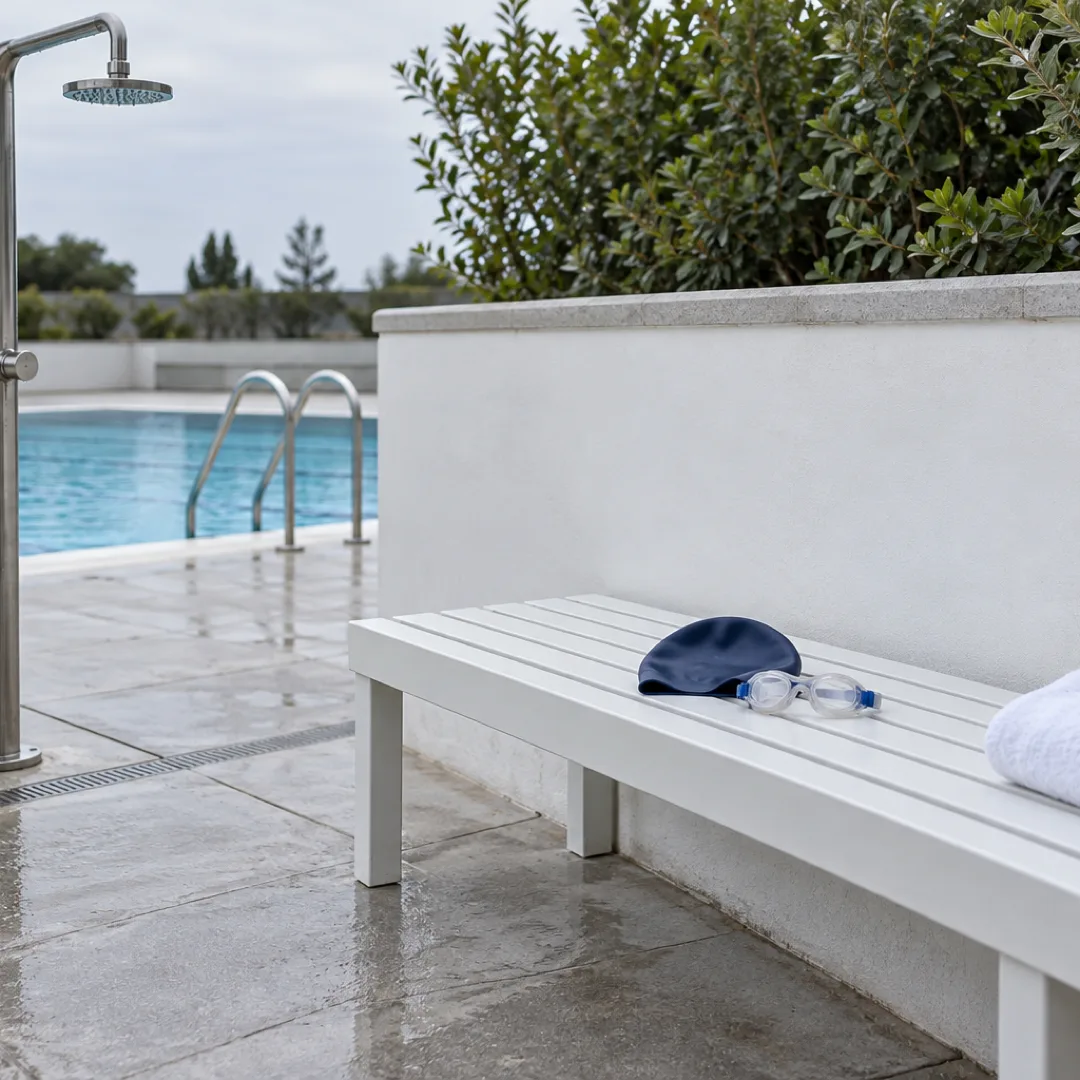
Picture a child who plays outdoor sports, sweats under a helmet or hat, and spends weekends at a pool. Their parent wonders whether daily washing is too much, or whether skipping days will leave the scalp itchy. This is a very common scenario, and the answer depends on how much sweat, sunscreen, chlorine, and dirt the hair actually collects.
Situation two: the curly-haired toddler
Now picture a two-year-old with tight curls who dreads water on the face. Washing feels like a struggle, and the parent worries about dryness and tangles afterward. Here the concern is less about dirt and more about moisture, gentle handling, and keeping the experience calm.
Both children need clean hair, but the routines that suit them will look quite different. Keeping both pictures in mind makes the rest of this guide easier to apply.
The Core Ideas Behind Washing a Child's Hair
Why children's scalps are treated with extra care
Children's skin is generally described as more easily irritated than adult skin, and the scalp is skin too. According to the American Academy of Dermatology's general guidance on caring for children's skin and hair, mild, fragrance-free products are commonly suggested for sensitive skin. Reactions vary from person to person, so a product that suits one child may bother another.
Gentle cleanser, lukewarm water
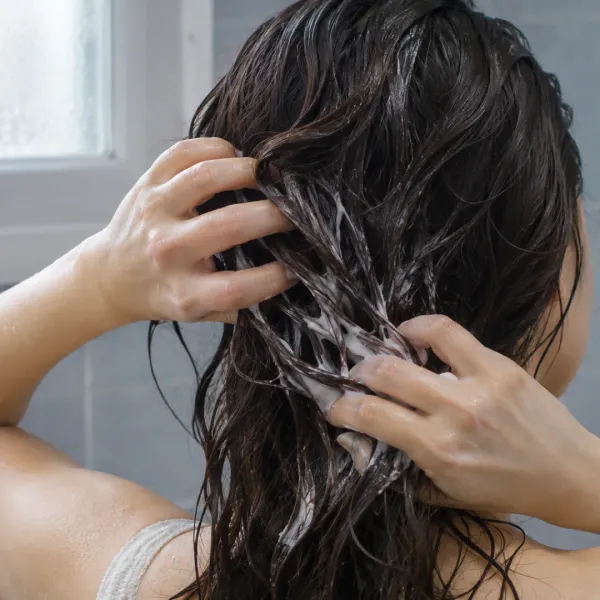
Many families choose a mild shampoo labeled for babies or children, though a label alone does not guarantee that a product will suit a particular child. Very hot water can leave skin feeling dry or uncomfortable, so lukewarm water is the usual choice. Rinsing thoroughly matters because leftover product can sometimes contribute to itching or flaking for sensitive scalps.
Eyes, ears, and comfort
Much of the resistance to hair washing is about water in the face. Some families find that a washcloth held over the eyes, a visor-style bath shield, or tilting the head back with a supporting hand makes the process less stressful. Letting a child have some control, such as holding the washcloth themselves, often helps with cooperation.
Wash frequency is personal
There is no universal number of washes per week. Children with straight, fine hair who sweat a lot may be washed more often, while children with coily or very dry hair are often washed less frequently so the hair does not feel stripped. The general idea is to wash when hair looks or feels dirty, oily, or has collected things like sand, chlorine, or sticky food.
How the Routine Changes by Age, Hair Type, and Activity
Babies and toddlers
Young children often have limited head control and strong feelings about water on their faces. Many caregivers keep the routine short, support the head securely, and use only a small amount of mild cleanser. Because babies are slippery and vulnerable in water, an adult should stay within reach the entire time.
School-age children
As kids grow, they can take over parts of the routine. Many families begin by letting the child wet the hair and rinse, while the adult checks for leftover suds. This is a good age to talk about why hair gets dirty and why a clean scalp feels better, without turning it into a chore battle.
Straight, wavy, curly, and coily hair
Straight hair tends to show oil sooner, because natural scalp oils travel down the strand easily. Curly and coily hair often feels drier, since those oils do not travel as readily along the curves, so gentler cleansing and a more careful approach to tangles are common. Detangling is usually easier when hair is wet and softened, using a wide-tooth comb or fingers, working from the ends upward rather than yanking from the roots.
Swimmers and sporty kids
Children who swim regularly often have hair that feels rough or looks dull after pool time. Rinsing with plain water soon after swimming is a common habit, followed by a regular wash when needed. Some families also use swim caps to reduce exposure. The right balance depends on how often the child swims and how their hair responds.
Related reading: How to Use a Diffuser on Curly Hair Without Frizz
Hair care after a wash
Gentle towel drying, by pressing rather than rubbing, tends to be kinder to young hair. Some children with dry or textured hair benefit from a light leave-in product, but it is worth checking ingredients for anything that has caused a reaction before. If you are unsure about a product, a pharmacist or pediatrician can help you think it through.
Common Misunderstandings About Kids' Hair Washing
"More washing always means cleaner, healthier hair"
Washing more often does not automatically make hair healthier. For some children, especially those with dry or textured hair, frequent shampooing can leave the hair feeling brittle and the scalp tight. For others, skipping washes leads to oily buildup and itching. The goal is a rhythm that matches the child, not a rule from a magazine.
"Tear-free means it is right for every child"
A tear-free label generally refers to how a product feels around the eyes, not whether it will suit a particular scalp. Fragrance, dyes, or other ingredients can still bother sensitive skin. If a child develops redness, itching, or stinging after a new product, many families stop using it and talk with a professional if the reaction continues.
"Adult shampoo is fine in a pinch"
Occasionally using what is on hand is not unusual, but adult products are often more heavily scented or formulated for different needs, which may be harsher for some children. If you have to improvise, rinsing very well and watching for irritation is sensible, and a switch to a gentler option afterward is common.
"Flaking always means dandruff"
Flakes can come from dryness, leftover product, cradle cap in babies, or a number of skin conditions. It is tempting to assume one cause, but guessing can lead to using the wrong product. According to the National Institutes of Health's MedlinePlus general information, persistent scalp flaking, redness, or crusting is worth having a healthcare professional look at rather than self-diagnosing.
"Lice means the child is dirty"
This is a frequent and unfair assumption. According to the Centers for Disease Control and Prevention's general guidance, head lice are spread mainly through close head-to-head contact and are not a sign of poor hygiene. If lice are suspected, a pharmacist or healthcare professional can explain treatment options, and any medicated shampoo should be used only as directed by its label and a professional.
"A fussy child just needs to be firm with"
Force tends to make bath time a bigger fight. Many families find that predictable timing, a favorite cup for rinsing, songs, or letting the child choose between two shampoos helps. Sensory sensitivities are real for some children, and a pediatrician can offer ideas if washing distress is intense or ongoing.
When to Ask a Professional
Everyday washing questions rarely need medical input, but some situations do. Consider asking a pediatrician or dermatologist if you notice any of the following:
- Persistent redness, swelling, oozing, or crusting on the scalp
- Thick, stubborn flaking that does not improve with gentle care
- Patches of hair loss or hair that breaks unusually easily
- Repeated itching that disturbs sleep or daily activities
- Reactions that appear after starting a new product
- Suspected head lice or other infestation
- Extreme distress around washing that does not ease over time
A professional can examine the scalp, ask about the child's history, and recommend what fits. Any medicated product should be used only according to its label and professional guidance, since the right choice depends on the child and the condition.
Wrapping Up Kids Hair Washing Basics
Good kids hair washing basics are less about a rigid formula and more about matching a gentle routine to the child in front of you. Here is the short version:
- Use a mild cleanser and lukewarm water, rinse well, and handle wet hair gently, especially if it is curly or coily.
- Adjust how often you wash based on age, hair type, sweat, swimming, and how the scalp feels, since there is no one right schedule.
- Do not assume that flaking, itching, or lice have a single simple cause; ask a pediatrician or dermatologist when symptoms persist, worsen, or worry you.
Every child is different, and routines often change as hair and habits change. If something does not seem right, a healthcare professional is the best person to help.
Disclaimer: This article is for informational purposes only and is not a substitute for professional medical advice, diagnosis, or treatment. Please consult a licensed professional for personal health decisions.