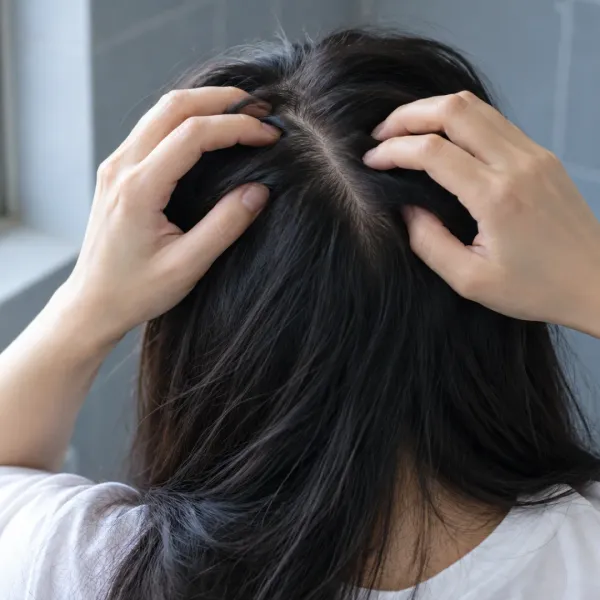
Co Washing Explained: What It Is and Who It Suits
Co washing, short for "conditioner washing," means cleansing the hair and scalp with a conditioner or a conditioner-style cleanser instead of a traditional shampoo. The idea is to loosen light dirt and oil gently while leaving more of the hair's natural moisture in place. Below, you will find what the term actually covers, the situations where it tends to make sense, how it differs from similar habits, and why the distinction matters for everyday hair decisions.
The Exact Meaning of Co Washing

At its core, co washing swaps the main cleansing step. Instead of a shampoo built around strong surfactants (ingredients that lift oil and dirt so water can rinse them away), a conditioner is worked through the hair and scalp and then rinsed. Conditioners contain a small amount of mild cleansing or emulsifying agents, and that is why they can remove a modest amount of surface residue.
That also explains the limit. A conditioner is mostly designed to soften and coat the hair, not to strip away heavy buildup. Because of this, co washing is generally described as a gentle, lower-cleansing option rather than a full replacement for shampoo in every situation.
Conditioner versus cleansing conditioner
Some products are sold specifically as "cleansing conditioners" or "co-wash" formulas. These are usually conditioner-like creams that include a slightly higher level of mild cleansers. A regular rinse-out conditioner can also be used for the same purpose, though how well it cleans varies by formula and by hair.
Reading the ingredient list can help. Heavy silicones, thick oils, and waxes may coat the hair, while lighter formulas may rinse cleaner. Ingredient lists are dense, so a stylist or pharmacist can help you interpret anything unfamiliar.
What the scalp is doing in the meantime
The scalp produces sebum, a natural oil that travels down the hair shaft. Sebum protects hair, but too much of it can leave roots feeling heavy or flat. Co washing leaves some of that oil behind, and whether that feels pleasant or problematic depends on your scalp and your hair texture.
Situations Where Co Washing Tends to Come Up
Co washing is most often discussed for hair that runs dry. Curly, coily, and wavy textures often have a harder time distributing scalp oil along the strands, so they can feel dry even when the scalp is oily. Many people with these textures look for gentler cleansing for that reason.
Other situations where people commonly consider it include:
- Color-treated or chemically processed hair, which can feel more fragile and may benefit from milder cleansing.
- Hair that is dry, brittle, or prone to frizz, where stripping oils may make dryness more noticeable.
- Light-activity days, when hair has only collected a little sweat or styling residue.
- Heat-styled hair, which can feel rougher and may respond well to extra softness.
Think of your hair like a wool sweater. Washing it with harsh detergent every time might leave it clean but rough, while a gentle wash keeps it soft but may not tackle a stubborn stain. Co washing sits on the gentle side of that comparison.
When it may be a poor fit
Fine, straight, or very oily hair can feel weighed down by conditioner-based cleansing. Heavy product users, such as people who rely on gels, oils, dry shampoo, or thick stylers, may also find that residue lingers. Scalp buildup can show up as a greasy or waxy feel, itching, or flakes, and reactions differ widely from person to person.
If you have an itchy, flaking, or irritated scalp, the cause may not be hair product at all. According to the American Academy of Dermatology Association's general guidance, persistent scalp symptoms are worth having a dermatology professional evaluate, since conditions such as dandruff, seborrheic dermatitis, and psoriasis can look similar to each other. A cosmetic routine change is not a substitute for that kind of evaluation.
Related reading: How to Choose a Shampoo for Your Scalp
Co Washing Compared With Similar Hair Habits
Several terms get mixed up with co washing, and the differences affect how you read advice online.
Co washing versus skipping washing
Co washing still involves wetting, massaging, and rinsing. "No-poo" or "low-poo" approaches, by comparison, may mean washing less often or using very mild cleansers, and they do not always involve conditioner as the cleanser. The terms overlap in conversation, but they describe different habits.
Co washing versus using conditioner after shampoo
Most people already use conditioner after shampooing, as a separate step that softens the hair once it is clean. Co washing replaces the cleansing step itself. So the product may be the same type, but the job it is doing is different.
Co washing versus a clarifying wash
A clarifying shampoo is built to remove stubborn buildup from products, hard water minerals, or heavy oils. Co washing is nearly the opposite in intent: it is soft and conditioning rather than deep cleaning. Many people who co wash also use a clarifying product occasionally to reset the hair, though how often depends on hair type and product habits, and it is best to follow the label or ask a stylist.
Co washing versus dry shampoo
Dry shampoo absorbs oil at the roots between washes and does not involve water. It can be used alongside other methods, but it adds product to the scalp, which is worth remembering if you are already dealing with buildup.
Related reading: Dry Shampoo Basics: What It Is and How It Works
Why the Distinction Matters in Practice
Knowing exactly what co washing does helps you set realistic expectations. It is a softer way to cleanse, not a stronger one, so it works best when the hair truly does not need heavy cleansing. When the term is used loosely, people sometimes expect a conditioner to behave like shampoo and then wonder why their hair feels coated.
It also helps you troubleshoot. If your hair begins to feel limp, waxy, or dull after a period of co washing, that may be a sign that residue is accumulating. If your scalp feels itchy or irritated, the cause could be product buildup, a reaction to an ingredient, or an unrelated scalp condition. According to the U.S. Food and Drug Administration's general consumer information on cosmetics, reactions to personal care products can differ from one person to the next, and ingredient labels are one way to spot likely triggers.
For anyone with a known allergy, a sensitive scalp, or a medical scalp condition, trying a new routine is best discussed with a dermatology professional first. Patch testing a new product on a small area of skin is a commonly mentioned precaution, and product packaging often explains how to do it.
Water and environment play a role
Hard water contains minerals that can cling to hair, and conditioner-based cleansing may not remove them well. If you live in an area with hard water, you may notice that hair behaves differently than it would elsewhere. This is one reason two people using the same product can have noticeably different experiences.
What Changes in Your Decisions Once You Understand Co Washing
First, you can decide based on hair and scalp type rather than trends. If your hair is dry, curly, or color-treated and your scalp is not especially oily, a gentler cleansing approach may be worth considering. If your hair is fine, oily, or heavily styled, you may judge that a conventional shampoo suits you better.
Second, you can read symptoms more accurately. Limp, coated hair points toward possible buildup, while ongoing itching or flaking points toward a conversation with a professional rather than another product swap. Understanding co washing means you can tell a cosmetic preference from a signal that deserves professional attention.
Frequently asked questions
Is co washing the same as just using conditioner after shampoo?
No. Co washing uses conditioner as the cleansing step in place of shampoo, while conditioning after shampoo is a separate step on already-cleansed hair. The product may be similar, but its role in the routine is different.
Can co washing replace shampoo completely?
If your hair is dry or textured and you use few styling products, some people find a conditioner-based wash is enough for light cleansing. If you use heavy products or have an oily scalp, residue may build up and shampoo, including an occasional clarifying one, may suit you better.
What might it mean if my hair feels coated after co washing?
If hair feels waxy, limp, or dull, that may point to residue from conditioner or styling products that is not rinsing away. Hard water minerals can also contribute. If the scalp is itchy or flaking as well, a dermatology professional can help sort out the cause.
Is co washing suitable for people with scalp conditions?
If you have a diagnosed scalp condition, the answer depends on that condition and on the treatment plan you were given. Cleansing routines can interact with how a scalp condition behaves, so it is best to ask the professional who is managing it before changing products.
References
- American Academy of Dermatology Association, general guidance on hair and scalp care
- U.S. Food and Drug Administration, consumer information on cosmetics and product reactions
Disclaimer: This article is for informational purposes only and is not a substitute for professional medical advice, diagnosis, or treatment. Please consult a licensed professional for personal health decisions.