Dry Shampoo Basics: What It Is and How It Works
Dry shampoo is a powder or spray product designed to absorb excess oil and refresh the look of hair between washes, without water. It does not wash hair in the true sense, which is the most important idea behind dry shampoo basics. Below, you will find what these products are made of, when they make sense, how they differ from similar products, and where their limits are.
What Dry Shampoo Actually Is
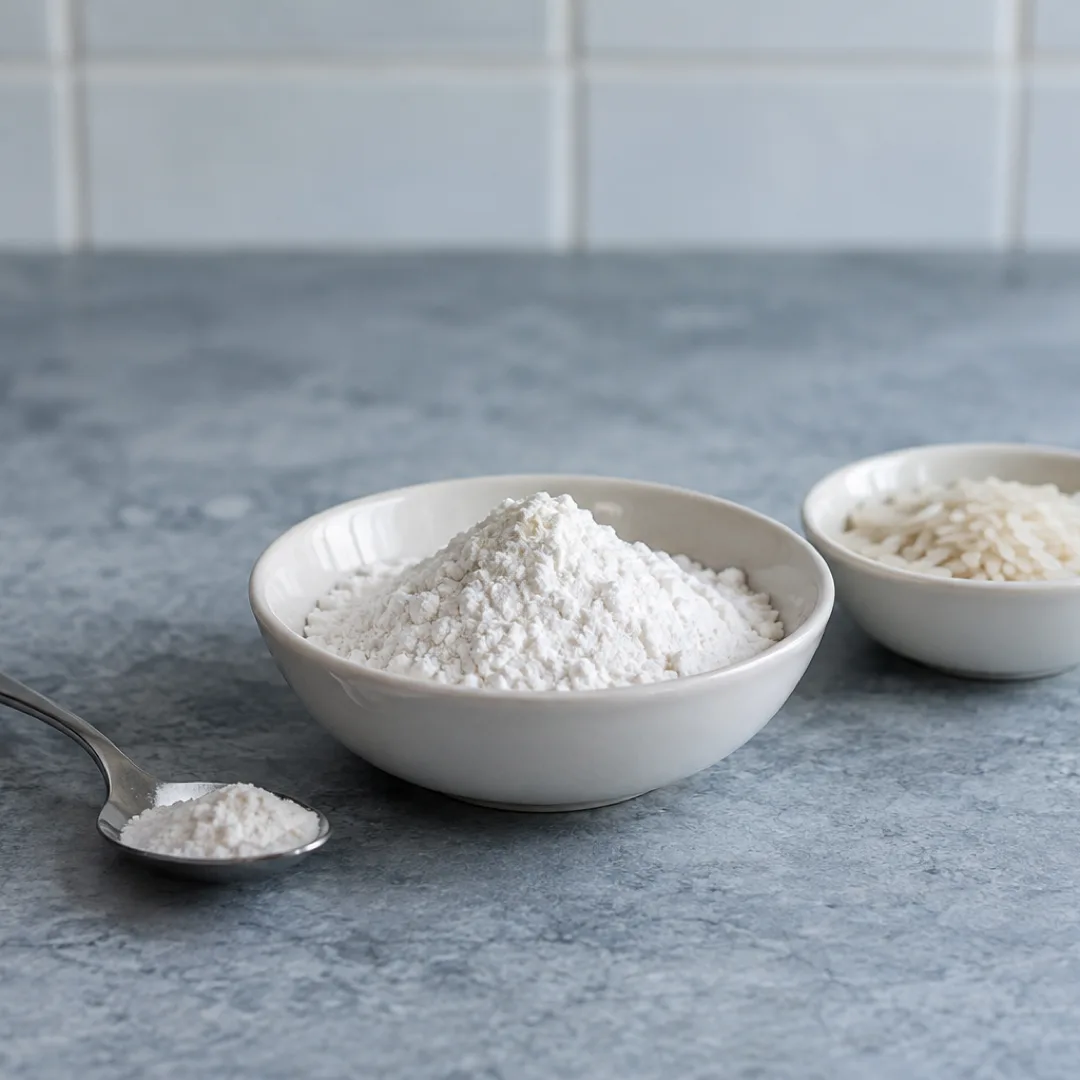
At its simplest, dry shampoo is a cosmetic that sits on the hair and scalp to soak up sebum, the natural oil your scalp produces. Most formulas rely on fine absorbent powders. Common ones include starches (such as rice or corn), clay, and sometimes silica, a fine mineral powder that soaks up liquid. Aerosol versions add a propellant so the powder can be sprayed, while loose powders and some foam or lotion formats skip that step.
Think of it like a blotting sheet for your roots. A blotting sheet does not clean your face; it lifts surface shine so skin looks matte for a while. Dry shampoo works along the same lines for hair, taking the greasy sheen off without removing the buildup underneath.
Common Ingredient Types
Ingredient lists vary widely by brand, so it helps to know the general categories rather than memorize names. Absorbent powders do the oil-soaking. Fragrance covers the scent of the formula and can mask mild odor. Some products add conditioning agents to make hair feel less stiff, and others include colorants meant to blend in with darker hair.
- Absorbent powders: starches, clays, and silica that soak up oil at the roots.
- Propellants or carriers: the gases or liquids that help aerosol formulas spray evenly.
- Fragrance: often included for a fresh scent, and a common trigger for sensitivity in some people.
- Tinted pigments: found in some formulas to reduce the chalky look on darker hair.
Situations Where Dry Shampoo Fits
People usually reach for dry shampoo when hair looks flat or oily but a full wash is not convenient. That might be after a workout, on a travel day, or when you want to stretch the time between washes because of styling or color. It can also add a little grip and texture, which some people like for updos or braids.
How oily your hair gets depends on your scalp, hair texture, climate, and habits. Fine, straight hair often looks greasy sooner, while thick or coily hair may hold oil differently and can go longer between washes. There is no single correct wash schedule, and dermatology organizations such as the American Academy of Dermatology generally note that wash frequency should match your hair type and scalp needs.
Where It Tends to Work Less Well
Dry shampoo has limits. If your scalp is itchy, flaky, or irritated, a powder will not address the cause and may sit on top of the problem. Very heavy buildup from styling products, sweat, or environmental residue also tends to need an actual wash. And on very dark hair, an untinted powder can leave a gray cast that is hard to blend.
Related reading: Kids Hair Washing Basics for Everyday Care
Dry Shampoo Versus Similar Products
The word shampoo in the name causes a lot of confusion. A regular shampoo contains surfactants, which are cleansing agents that lift oil and dirt so water can rinse them away. Dry shampoo skips that rinse entirely, so it manages oil visually and by absorption rather than by removal.
Dry Shampoo and Regular Shampoo
Regular shampoo cleans the scalp and hair. Dry shampoo extends the look of cleanliness. Because the powder remains on the scalp unless you wash it out later, many people treat dry shampoo as a bridge between washes and not a replacement for them.
Dry Shampoo and Texturizing Sprays
Texturizing sprays and volumizing powders can look similar on the shelf, but their main job is to add grip, lift, or body. They may absorb a little oil, yet that is usually secondary. If your goal is oil control, check the product description for what it says it is designed to do.
Dry Shampoo and Co-Washing
Co-washing means cleansing hair with a conditioner-style product instead of a traditional shampoo. It still involves water and rinsing, so it is a different approach altogether. Some people with curly or textured hair prefer it, while dry shampoo is a no-water option.
Related reading: Oily Scalp Care Basics: Why Your Roots Get Greasy
Why These Basics Matter for Your Scalp and Hair
Understanding that dry shampoo absorbs rather than cleans helps set realistic expectations. Residue can accumulate when powders are layered day after day without washing. Some people find this makes hair feel coated or dull, and a few notice scalp itching or flaking when buildup lingers. Reactions differ from person to person, and there is no universal rule for how long is too long.
Product formats matter too. Aerosol sprays are typically used away from the face and in ventilated spaces, and the U.S. Food and Drug Administration has addressed cosmetic safety and labeling in general, so reading the product label and any warnings is a sensible habit. Fragrance and propellant ingredients can bother people who are sensitive, particularly those with asthma or fragrance allergies. If you have a known sensitivity or a scalp condition, a pharmacist or dermatologist can help you decide whether a given product suits you.
Signs It Is Time to Get Professional Input
Persistent itching, redness, painful bumps, noticeable shedding, or flaking that does not settle down are reasons to talk with a qualified professional rather than layering on more products. Scalp conditions can look similar on the surface but have different causes, and a cosmetic powder is not designed to sort that out.
Hair Color, Texture, and Practical Fit
Formula choice often comes down to hair color and texture. Lighter hair usually blends with white or clear powders, while deeper shades may suit tinted versions. Thicker or curlier hair can hold more product without looking dusty, while fine hair may feel weighed down more easily. Trial and adjustment are normal, and what works for a friend may not suit you.
Two Decisions That Get Easier Once You Know the Basics
Knowing how dry shampoo works changes a couple of everyday judgments. First, you can decide whether it fits the situation at all. If your hair just looks a little oily and you want a quick refresh, it may be a reasonable pick, but if you are dealing with sweat, heavy styling product, or an irritated scalp, a proper wash is the better match.
Second, you can decide how to fold it into your routine without leaning on it too hard. Treating dry shampoo as an occasional stopgap, not a stand-in for cleansing, keeps expectations realistic and makes it easier to notice when your scalp is asking for something different. With those dry shampoo basics in mind, the choice becomes less about trends and more about what your hair and scalp actually need.
Disclaimer: This article is for informational purposes only and is not a substitute for professional medical advice, diagnosis, or treatment. Please consult a licensed professional for personal health decisions.