How to Rinse Shampoo Out Completely, Step by Step
Learning how to rinse shampoo out completely often comes down to time, water flow, and reaching the spots you tend to miss, such as the nape, behind the ears, and the hairline. Hair that feels tacky, looks dull, or gets flaky a few hours after washing is a common sign that product may still be sitting on the scalp or in the lengths. It is a frustrating loop: you wash, you still feel unclean, so you wash again, and the cycle can leave your scalp more irritated than before. The fix is less about scrubbing harder and more about doing things in the right order.
This guide is written from an editor's point of view, not a clinician's. It pulls together general haircare knowledge, notes where individual variation matters, and points out when a scalp problem is better handled by a qualified professional.
Pinpointing the Problem First
Before changing your routine, it helps to work out whether the issue is really leftover shampoo. Several things can mimic a poor rinse, and treating the wrong cause tends to waste time.
Common signs that shampoo or other product may not be fully rinsed away include:
- Hair that feels squeaky in some areas and slick or coated in others.
- A dull, heavy look shortly after drying, even though the hair was just washed.
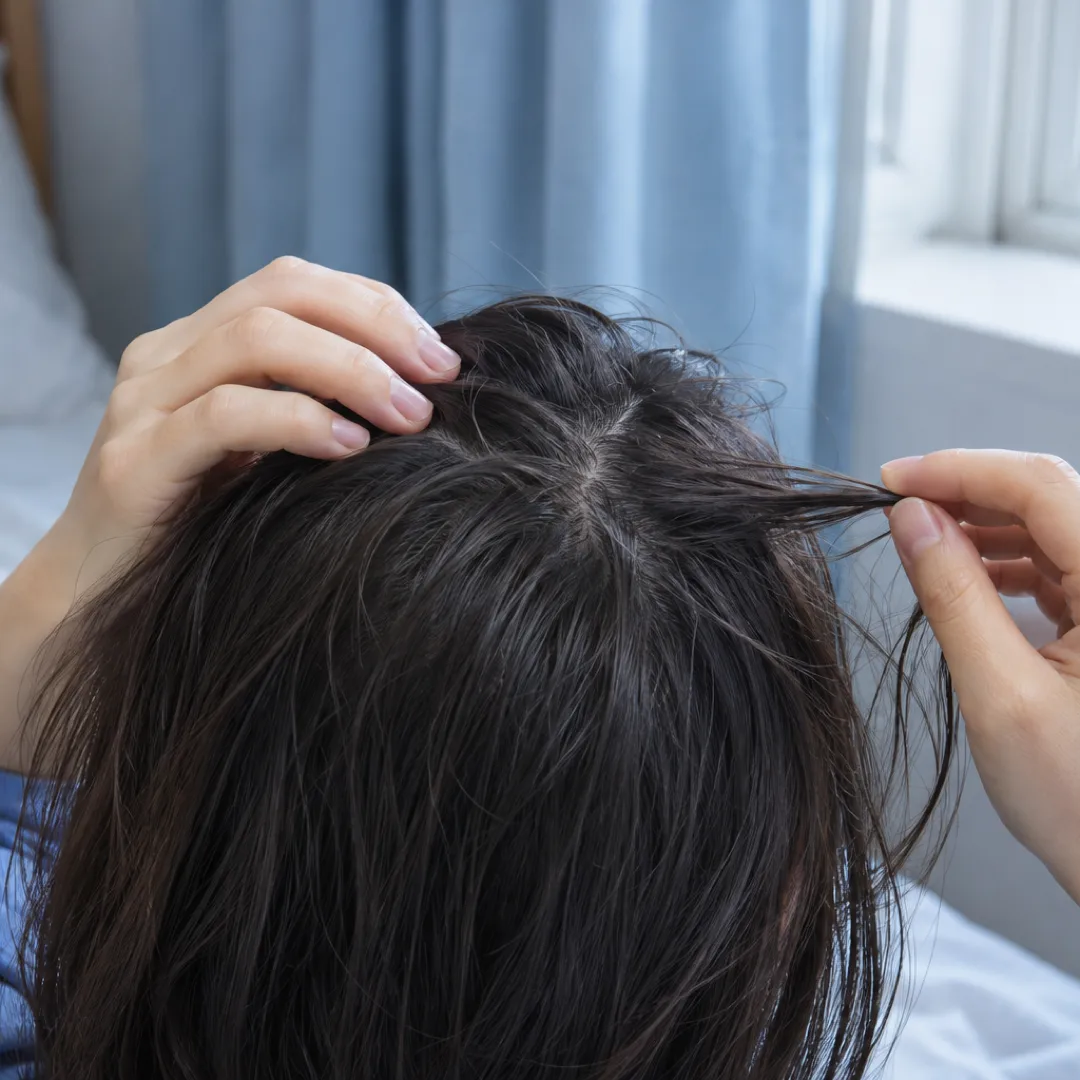
- White or grayish flecks near the part or along the hairline that look like flakes.
- A scalp that feels itchy or tight after washing rather than comfortably clean.
- Strands that clump together or feel sticky when damp.
The trouble is that these signs overlap with other situations. Product buildup from conditioners, oils, stylers, and dry shampoo can look similar. Hard water can leave hair feeling coated no matter how long you rinse. Dryness, sensitivity to a fragrance, or a scalp condition can also cause flaking and itch. So a rinse problem is a reasonable first suspect, but not the only one.
Why shampoo lingers in the first place
Thick, long, or dense hair can trap shampoo underneath the top layer, where water from the shower does not reach easily. Rich, creamy formulas and styling products with a heavier texture may also take more water time to clear. Rushed showers, low water pressure, and washing in a position where water mostly hits the front of the head all play a part. Some people also lather the whole length of the hair, which means there is simply more to rinse out.
Step 1: Right Now, in the Shower
These are the adjustments you can make at your very next wash. Each one follows a simple pattern: what to change, how to do it, and why it matters.
- Rinse longer than feels necessary. How: keep water running over the scalp until the suds are gone and the water running down looks clear, then continue a little longer. Why: foam disappearing from the surface does not always mean the roots and underlayers are clear, and a short extra rinse is a low-effort safeguard.
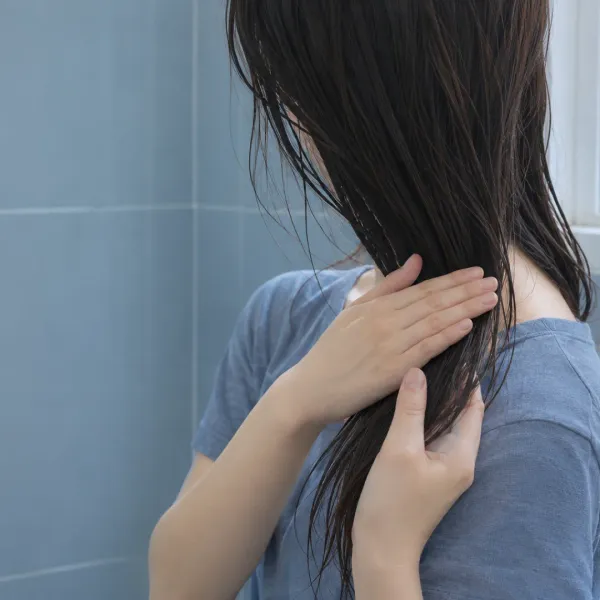
- Tilt your head so water reaches the hairline and nape. How: lean slightly forward, then slightly back, then to each side so water hits the front hairline, the temples, behind the ears, and the base of the neck. Why: these edges are the places most often missed because water naturally runs away from them.
- Use your fingertips to help water move through. How: with gentle fingertips (not nails), part the hair in several places and let water flow into the sections while you rinse. Why: dense hair can act like a sponge, and opening it up lets water reach the scalp rather than just running over the surface.
- Choose a comfortable water temperature. How: many people find lukewarm water comfortable for rinsing. Very hot water can feel drying or irritating on some scalps, particularly sensitive or already flaky ones. Why: comfort matters because you are more likely to rinse thoroughly when the water does not sting or feel harsh.
- Rinse before you condition, and again after. How: make sure shampoo is gone before adding conditioner, then rinse conditioner according to the product label. Why: mixing leftover shampoo with conditioner can leave a film, and conditioner itself can also feel like residue if not cleared.
If your shower head has weak flow, a handheld option or simply moving closer to the spray may help water reach more of the scalp. That is a small tweak, but for people with thick hair it can make a noticeable difference in how the hair feels afterward.
Step 2: Within This Week
Once you have adjusted how you rinse, the next layer is about how much shampoo you use and how you apply it. A more thorough rinse is easier when there is less to remove.
- Use a smaller amount of shampoo and focus on the scalp. How: concentrate cleansing on the scalp, where oil and sweat collect, and let the suds run down through the lengths during rinsing rather than working shampoo through every strand. Why: the lengths are usually drier and tend to need less cleansing, and less product on them means less to wash out. Amounts vary by hair type and product, so the label on your shampoo is the best guide.
- Dilute thick formulas before applying. How: some people mix a little water with the shampoo in their palm or in a bottle so it spreads more evenly. Why: a more evenly spread, lighter lather can rinse more readily than a concentrated blob placed in one spot. Check that this suits your particular product, since some formulas are designed to be used as they come.
- Look at what else is on your hair. How: take stock of the leave-in products, oils, sprays, and dry shampoo you use between washes. Why: heavier layering can leave a coating that feels like unrinsed shampoo even after a long rinse. Scaling back for a week is a simple way to see whether buildup is part of the picture.
- Notice your water. How: pay attention to whether lather feels thin and hair feels coated no matter what you do, and whether you see mineral spots on fixtures. Why: some households have harder water, which can interact with shampoo and leave a different feel. Whether that applies to you depends on your local supply, and your water provider can usually tell you about it.
Related reading: How to Wash Thick Hair Thoroughly: Fix Common Mistakes
A note on clarifying shampoos
Clarifying or deep-cleansing shampoos are often marketed for buildup. They can feel stripping for some scalps and hair types, especially dry, color-treated, or textured hair, and how often to use one varies widely. Reading the product label and asking a stylist or other qualified professional about your hair is a sensible step before adding one to your routine. These products are not a replacement for a proper rinse, and they are not suited to everyone.
Step 3: Building the Habit Over Time
A thorough rinse tends to work best when it becomes automatic. Small, steady habits matter more than any single dramatic change.
- Make rinsing a distinct part of the wash. How: treat it as its own step rather than something that happens while you do other things in the shower, and give it a little dedicated time. Why: rinsing is easy to rush, and it is the step most likely to be shortened when you are tired or in a hurry.
- Do a quick check at the end. How: after the final rinse, run your fingers through damp hair and along the hairline. Hair that feels smooth and moves freely is usually a good sign, while a slippery or sticky feel may suggest more rinsing is needed. Why: a quick touch test gives immediate feedback you can use next time.
- Keep towels, brushes, and pillowcases clean. How: launder them on a regular schedule and clean brushes of trapped hair and product. Why: these items can carry product and oil back onto freshly washed hair, which can make a good rinse feel like it did not work.
- Adjust with the seasons and your hair's changes. How: notice whether your hair feels different in humid or dry weather, after coloring, or when you change products. Why: what rinses cleanly in one situation may need adjusting in another, and your routine is allowed to change.
The National Institutes of Health and the American Academy of Dermatology both publish general guidance on scalp and hair care, and their materials are a reasonable place to read more about washing habits and common scalp concerns. Individual needs differ, so general guidance is a starting point rather than a prescription.
When Better Rinsing Does Not Help
Sometimes the rinse is not the problem. If you have changed your technique and the issue stays the same, it may be worth looking beyond residue.
Consider speaking with a qualified professional, such as a dermatologist or your primary care provider, if you notice any of the following:
- Persistent itching, burning, or soreness of the scalp that does not settle.
- Flaking that continues despite careful washing and rinsing.
- Redness, scaling, crusting, or patches that look different from the rest of the scalp.
- Noticeable hair shedding or thinning that seems new to you.
- Any reaction that appears after starting a new product, such as swelling, rash, or discomfort.
According to the American Academy of Dermatology's general guidance, scalp symptoms can have several different causes, and identifying the right one usually requires an in-person look. A professional can tell you whether what you are seeing is residue, a reaction to a product, or something that needs its own approach. Any medicated shampoo or treatment should be used only as directed by its label or a pharmacist or clinician, since suitability differs from person to person.
If you only need a gentler routine, a stylist can also offer practical, hands-on advice about product choices and technique for your hair type. Learning how to rinse shampoo out completely is a worthwhile skill, but it is only one piece of scalp comfort, and it should never stand in the way of getting persistent symptoms checked.
Frequently asked questions
Does the water need to be cold to rinse shampoo out well?
No, rinsing well depends more on thoroughness than on a specific temperature. If very hot water feels irritating or drying on your scalp, comfortably lukewarm water is a common choice, since you are more likely to rinse patiently when it feels pleasant.
Why does my hair still feel coated when I rinse for a long time?
If extended rinsing does not change how your hair feels, the cause may be buildup from other products or the mineral content of your water rather than leftover shampoo. Scaling back leave-in products for a short period can help you see whether buildup is involved, and a stylist can offer guidance specific to your hair.
Is flaking after a wash always a sign of leftover shampoo?
No, flaking can come from several sources, including dryness, product sensitivity, or a scalp condition. If flakes continue after you have improved your rinsing, a dermatologist or other qualified professional can help identify the cause.
Should I use a clarifying shampoo if I think I have residue?
If your hair is dry, color-treated, or sensitive, a clarifying product may feel too stripping, so it is worth reading the label and checking with a stylist first. A better rinse and lighter product use are often the simpler place to begin.
Disclaimer: This article is for informational purposes only and is not a substitute for professional medical advice, diagnosis, or treatment. Please consult a licensed professional for personal health decisions.