How to Keep a Ponytail From Denting Your Hair
The answer to how to keep a ponytail from denting hair depends on your hair type, your length, and how you wear your hair day to day. Fine, straight hair tends to hold a crease more visibly than thick or coily hair, and tight, narrow elastics usually leave a sharper line than wide, soft ones. This guide sorts the advice by hair type so you can pick the approach that fits your situation, along with what to skip and when a change in your hair is worth mentioning to a professional.
A ponytail dent is mostly a cosmetic issue. The hair bends where the elastic grips it, and the bend can linger, especially if the hair was slightly damp or the tie was snug. Results vary from person to person, and no single method works for everyone.
Which Hair Group Do You Fall Into?
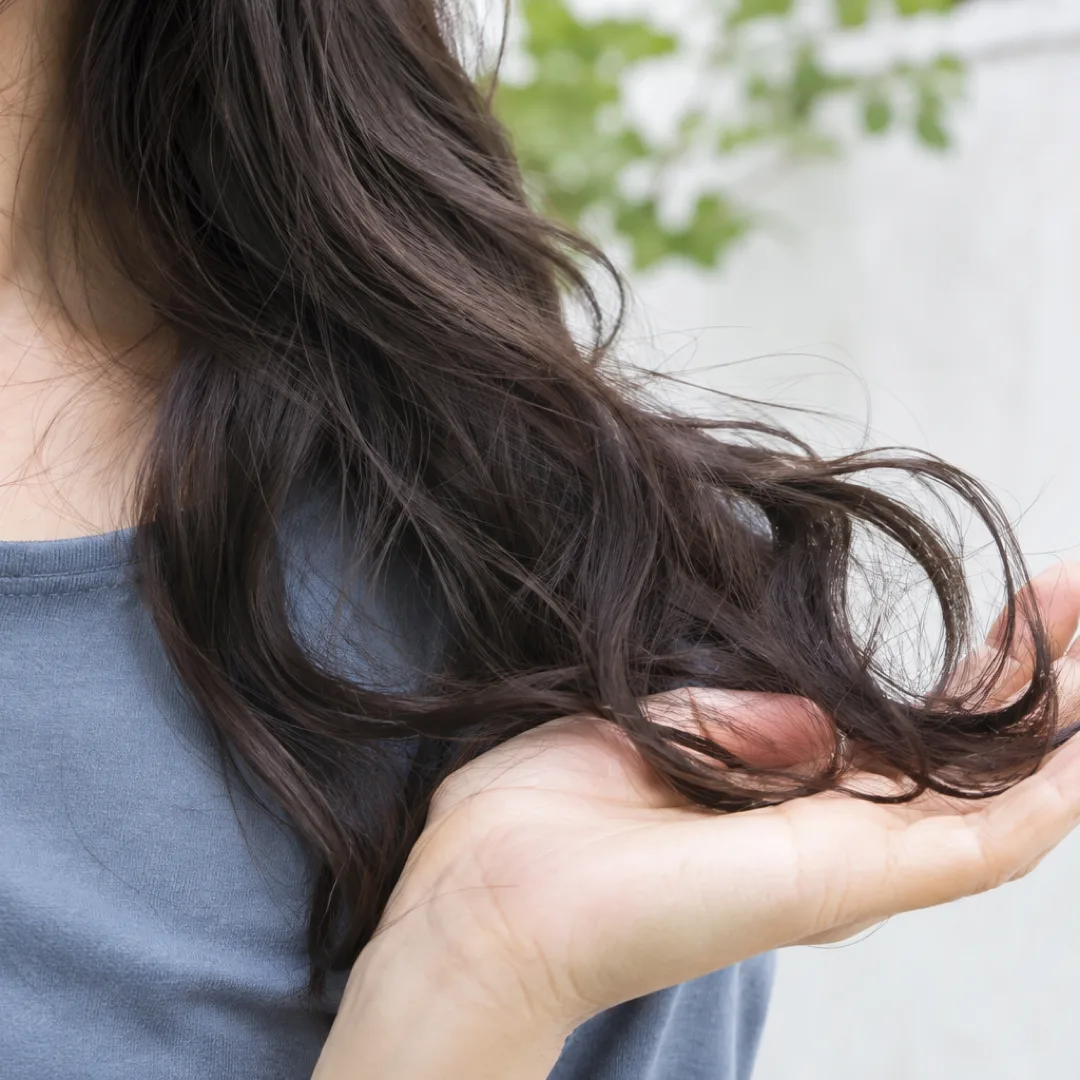
Rather than one rule for everyone, it helps to think in three broad groups. Most people recognize themselves in at least one, and some fit parts of two.
- Fine or straight hair: Creases show up easily and may take a while to relax.
- Thick, wavy, or curly hair: Dents are often less noticeable, but the tie can slip, snag, or cause tension at the root.
- Chemically treated or fragile hair: Color, bleach, relaxers, or heat styling can leave strands more prone to bending, dryness, and breakage at the tie point.
Length and lifestyle matter too. Someone who works out daily and wears a ponytail for hours is dealing with a different situation than someone who ties their hair back for a quick errand. The sections below follow the same pattern for each group: what the situation looks like, which approaches tend to fit, and what is better avoided.
Fine or Straight Hair: Preventing Visible Creases
What this situation looks like
Fine, straight strands have little natural bend of their own, so any crease stands out. The dent often appears as a clear line just below the elastic, and it can be most obvious when you take the tie out and your hair falls flat. Hair that has less body may also slip out of a loose tie, which tempts people to tighten it.
Approaches that tend to fit
Softer, wider ties are a common starting point. Fabric-covered elastics, scrunchies, and spiral-shaped coil ties spread pressure over more of the hair instead of pinching one narrow band. Many people with fine hair find that these leave a gentler mark, though how much gentler varies.
Placement is another lever. Moving the ponytail up or down by even an inch each time means the same section of hair is not bent in the same spot day after day. A lower, looser ponytail also tends to put less strain on the hair than a high, tight one.
Here are a few other habits that people with fine hair often adopt:
- Letting hair dry fully before tying it back, since damp hair is generally more easily stretched and creased.
- Wrapping the tie fewer times so the grip is firm enough to hold but not squeezing.
- Using a claw clip or a loose twist on days when you do not need a classic ponytail.
If a crease has already formed, many people smooth it by lightly misting the section with water and letting it air dry, or by using the low-heat setting on a styling tool at a distance. Heat tools can dry out hair, so check the manufacturer's directions and consider a heat protectant product designed for hair.
What to avoid
Thin rubber bands, metal-clasped ties, and ties with exposed seams are common culprits for both dents and snagging. Tying hair back very tightly, or wearing the exact same ponytail for long stretches, can also make a crease more stubborn. Pulling a tie out quickly instead of unwinding it gently may break strands, particularly in fine hair.
Related reading: What a Hair Primer Is and How It Fits Your Routine
Thick, Wavy, or Curly Hair: Reducing Tension and Slippage
What this situation looks like
Thicker or curlier hair often hides a crease better, because the texture breaks up the line. The more common complaints are different: ties that snap, elastics that tangle in curls, and a tight feeling at the scalp when a large amount of hair is gathered into one spot. Coily and tightly curled textures can also be drier by nature, which can make strands more fragile where they are bent.
Approaches that tend to fit
Ties designed with more give, such as larger scrunchies, stretchy fabric bands, or spiral coils, may suit this group well because they can hold a larger volume of hair without clamping down. Some people prefer to divide hair into two or more lower ponytails or twists, which spreads the weight and reduces pulling in any one place.
Moisture matters here. Hair that is well conditioned generally bends more easily without breaking, so many people with textured hair pair looser styles with their usual leave-in or conditioning routine. Satin or silk-style scrunchies are often chosen because the smoother surface may snag less on dry, textured strands, although individual experiences differ.
For wavy or curly hair, a few additional habits are commonly mentioned:
- Alternating between a low ponytail, a loose bun, and wearing hair down to give strands a break.
- Taking hair out of the tie gently, working through any tangles with fingers before reaching for a comb or brush.
- Choosing a tie size that fits the amount of hair, instead of doubling up a small elastic.
What to avoid
Tight, high ponytails worn for long periods can put steady tension on the hairline. Tension on the roots over time is a topic that hair professionals often raise, particularly for people who wear the same pulled-back style frequently. Plastic or metal-edged ties that catch in curls are also best set aside, since pulling them out can cause breakage.
Chemically Treated or Fragile Hair: Extra Gentleness
What this situation looks like
Hair that has been bleached, colored, relaxed, or regularly heat styled can be more porous and less elastic. In that case, the spot where the tie sits may look dry, frizzy, or uneven, and strands may snap rather than simply crease. Hair that is growing out after damage may also be more delicate at the ends than at the roots, which means the tie may sit right on the most fragile section.
Approaches that tend to fit
For this group, the main idea is to reduce friction and pressure. Soft fabric ties, wide bands, and looser styles are commonly preferred, and so is changing where the tie sits from day to day. Giving hair some time down or in a loose braid can reduce how often the same strands are bent.
Sleeping in a tight ponytail is often discouraged by hair stylists, since movement against a pillow with a firm tie can add stress. Many people who are working on hair health switch to a loose, soft tie or a silk-style accessory at night, or simply leave hair down or in a gentle braid.
If hair is already breaking, a stylist can look at the condition of the strands and suggest products or a trim that may help. Cosmetic products can make hair feel smoother and look healthier, but they do not repair damaged strands permanently, and outcomes differ by hair type and the extent of the damage.
What to avoid
Tight elastics, rubber bands, and any tie with metal parts are usually best avoided on fragile hair. So is tying hair back while it is wet, since wet hair is generally more prone to stretching and breaking. Brushing aggressively through a tangle at the tie point can add to the damage, so many people loosen the section gradually instead.
How Daily Habits Change the Answer
Beyond hair type, a few lifestyle factors tend to shape how noticeable dents become.
Activity level. If you wear a ponytail for exercise, you may want a tie that holds firmly without being tight, and you may prefer to switch to a looser style once you are done. Sweat can leave hair damp, so letting it dry before tying it back again is a common habit.
Work and school. People who need a neat look for long hours sometimes choose a low, soft ponytail or a clip, and change the position midday to avoid one fixed crease.
Sleep. A loose braid or a soft tie may cause less pressure than a firm ponytail. Some people simply leave hair down.
Hair length. Longer hair has more weight, which can increase pull on the tie. Shorter hair may slip out more easily, which tempts people to tighten the elastic. In both cases, a wider, softer tie is a common adjustment.
Common Cautions for Every Hair Type
No matter which group fits you, a few cautions apply broadly.
- Tightness is the main driver. The tighter the tie, the more likely a visible dent and the more strain on the hair and scalp.
- Variety helps. Changing the position of the ponytail and taking breaks with hair down or in loose styles can limit repeated stress in one spot.
- Remove ties gently. Unwinding rather than yanking helps avoid snagging and breakage.
- Be cautious with heat. Using heat to smooth a crease can dry hair, so follow the instructions for any styling tool and consider a heat protectant made for hair.
- Products vary. Hair sprays, smoothing creams, and similar products may help hair look smoother, but reactions differ from person to person, and anyone with a sensitive scalp may want to check ingredient lists first.
Related reading: How to Section Hair for Easier Styling
Signs it is time to talk with a professional
A dent in the hair is usually harmless and temporary. But some changes are worth bringing to a hairstylist, or to a licensed health professional such as a dermatologist, especially if they persist. Hair loss from repeated pulling, known as traction alopecia, can develop when hairstyles place ongoing tension on the hair, and paying attention early matters because long-standing tension may lead to changes that are harder to reverse, though how this plays out varies from person to person.
Consider seeking professional input if you notice any of the following:
- Thinning or a receding look around the hairline or at the ponytail's base.
- Scalp pain, tenderness, itching, redness, bumps, or sores where hair is pulled.
- Hair that breaks off repeatedly at the tie point.
- Sudden or patchy hair shedding that does not seem linked to styling.
A professional can assess your scalp and hair directly, which a general article cannot do. If you are unsure whether a symptom is connected to styling or something else, asking is a reasonable step.
Putting It Together
Keeping a ponytail from denting your hair comes down to reducing tightness and pressure, choosing softer ties, and varying how and where you wear your style. Fine, straight hair often benefits most from wide, soft ties and shifting the ponytail's position, thicker or curly hair from looser, volume-friendly options and good moisture, and chemically treated or fragile hair from the gentlest approach and fewer hours in any one style. Results differ, so it is worth trying small changes and noticing what your own hair responds to. If you see thinning, pain, or persistent breakage, a professional can help you work out what is going on.
Frequently asked questions
Does a softer hair tie always prevent a dent?
A softer tie usually leaves a gentler mark because it spreads pressure over more of the hair, but it does not remove the risk entirely. If the tie is still wrapped tightly or the hair is damp, a crease can form anyway. Changing the ponytail's position from day to day also helps.
Is it a problem to sleep with my hair in a ponytail?
If the tie is firm, sleeping in it can add friction and pressure, which is often a concern for fragile or treated hair. A loose braid, a soft fabric tie, or leaving hair down is commonly chosen instead. If you notice breakage or scalp tenderness, a professional can offer personal guidance.
How can I tell if my ponytail is causing hair loss rather than just a dent?
If you see thinning near the hairline or at the base of the ponytail, or you have scalp soreness or bumps, the cause may go beyond a simple crease. According to the American Academy of Dermatology, repeated tension from hairstyles can contribute to hair loss from pulling. A dermatologist can examine the scalp and sort out the cause.
Disclaimer: This article is for informational purposes only and is not a substitute for professional medical advice, diagnosis, or treatment. Please consult a licensed professional for personal health decisions.