How to Choose Hair Products for Teenagers: A Habit-Based Routine
Learning how to choose hair products for teenagers gets much easier when you stop thinking about a "routine" and start thinking about habits that already exist. A teen who showers every morning, brushes their teeth before bed, or grabs a hoodie on the way out the door already has anchor points. Hair care can be attached to those anchors in small, low-effort ways, and the products themselves can be chosen to match scalp type, hair texture, and how much time a teen actually has.
This approach is called habit stacking: pairing a new action with something that already happens daily. It tends to feel less like a chore, and it helps families avoid the common trap of buying a shelf full of products that never get used. Below you will find ways to find the right anchors, product pairings to try, a plan for when the routine falls apart, and a short set of rules for the first two weeks.
Finding the habits you can build on
Before picking a single bottle, it helps to watch what a typical day looks like. Hair products only work in a routine if they fit into the moments that are already there. Teens often have packed mornings, sports practice, late homework, and strong opinions about what takes too long.
Look at the habits that already happen
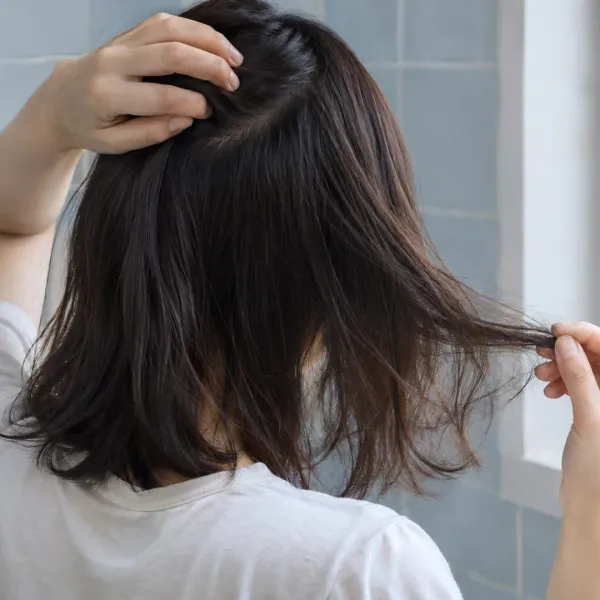
Start with a quick, honest inventory. When does your teen already wash their hair, and how often? Do they shower after gym class, before school, or at night? Do they style hair every day, or mostly throw it into a ponytail or cap? The answers shape which products matter most.
- The shower habit: a natural place for a shampoo and, if needed, a conditioner.
- The towel-off habit: a natural moment for a leave-in product or a detangling step.
- The mirror habit: a natural moment for a light styling product.
- The bedtime habit: a natural moment for protecting hair overnight, such as a loose braid or a soft hair tie.
- The sports bag habit: a natural moment to pack a spare hair tie or a gentle option for after a workout.
Match products to hair and scalp, not to trends
Social media can make it seem like every teen needs a long list of serums, masks, and oils. In practice, many people do fine with a simpler setup. Hair texture, scalp oiliness, dryness, and whether hair is colored or heat-styled usually matter more than a viral label. Hormonal changes during the teen years can shift how oily or dry the scalp feels, so what worked last year may not suit this year.
A few general ideas can guide the choice:
- Oily scalp or frequent sweating: a gentle, clarifying-style shampoo is often used, while heavy creams near the roots may feel weighed down.
- Dry or brittle hair: a moisturizing conditioner and a gentle approach to brushing are common choices.
- Curly or coily hair: products labeled as moisturizing or curl-defining are widely used, and many people prefer wide-tooth combs or finger detangling.
- Fine, straight hair: lightweight formulas often feel more comfortable than rich, heavy ones.
- Heat-styled or chemically treated hair: products marketed for protection or repair are common, though results vary.
Read the label with a few simple filters
Labels can be confusing, but a few habits make shopping less stressful. Check for fragrance if your teen has a sensitive scalp, since scented products are a common source of irritation for some people. Look at whether a product is designed for daily use or occasional use. And be cautious with any product that promises dramatic or overnight changes, because hair cosmetics generally work on the surface of the hair rather than rewriting how it grows.
According to the U.S. Food and Drug Administration's general guidance on cosmetics, the ingredients in cosmetic products must be listed on the label, which makes it possible to spot something a teen has reacted to before. Keeping a note of past reactions on your phone can save time at the store.
Small actions worth attaching to those habits
Once you know the anchors, you can pair each one with a single small action. The goal is not a perfect routine. It is a routine that survives a Tuesday morning when the bus arrives early.
Habit pairings to try
Here are several "existing habit plus new action" combinations. Pick one or two rather than all of them.
- Turning on the shower plus choosing the right shampoo: keep one shampoo in the shower that suits the scalp type, so there is no decision to make while rushed.
- Stepping out of the shower plus a gentle detangle: after toweling off, a wide-tooth comb or fingers can be used to work through knots while hair is damp, since wet hair can be more fragile for some textures.
- Brushing teeth at night plus a loose braid or soft tie: some people find that protecting hair at bedtime reduces tangles in the morning.
- Packing the gym bag plus a spare hair tie and a small comb: this keeps hair manageable after practice without needing a full routine.
- Putting on shoes plus a quick look at the mirror: a final check for tangles or a light touch of a styling product, if the teen uses one.
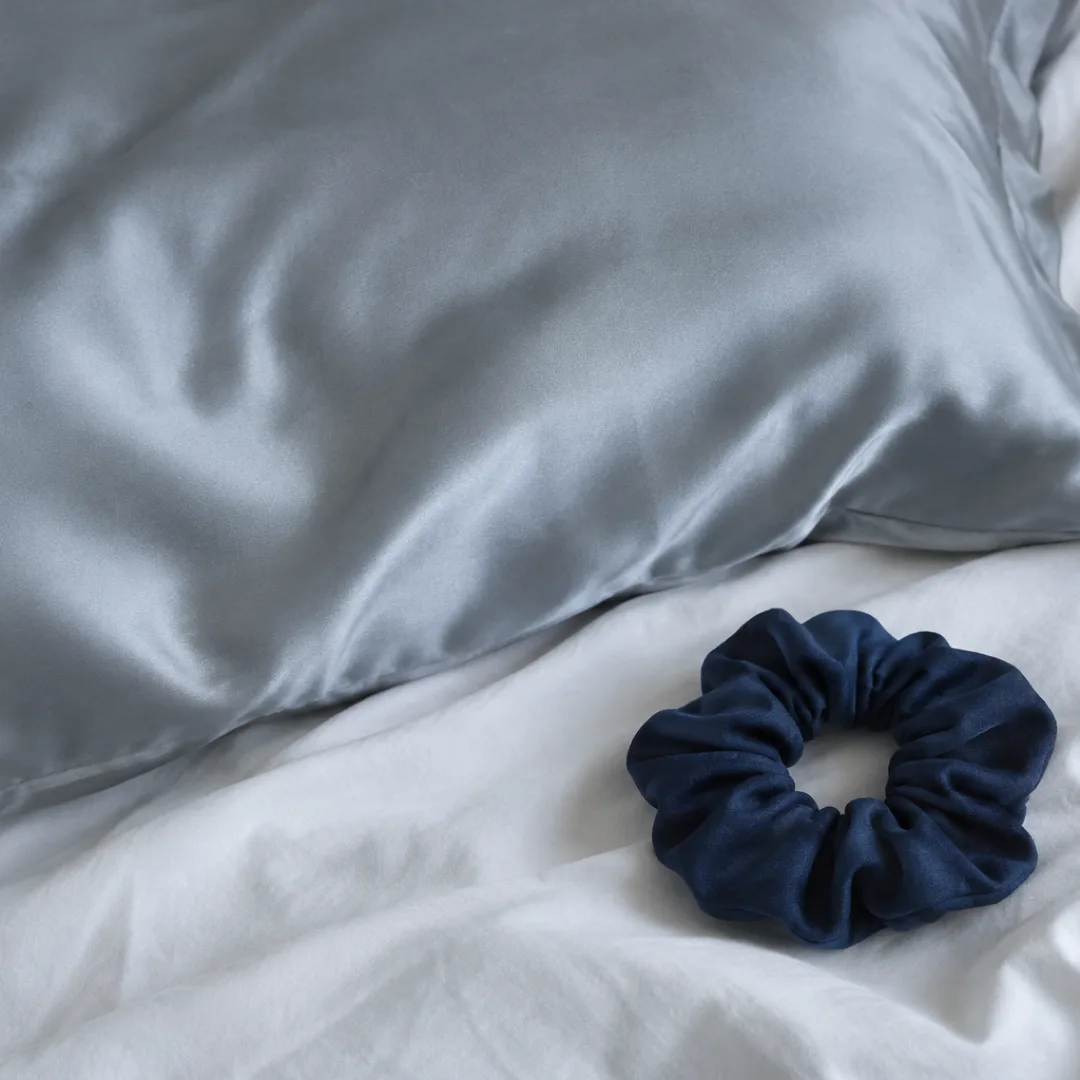
- Changing the pillowcase on laundry day plus a quick look at the brush: brushes and combs collect oil and product over time, so cleaning them when linens are changed is an easy link.
Keep the product list short at first
A common mistake is to introduce several new products in the same week. If a scalp reacts, it becomes hard to tell which product was responsible. Many people find it easier to add one item at a time and watch how hair and scalp respond over a couple of weeks. Reactions vary from person to person, and something that suits a friend may not suit your teen.
If a new product is being tried, a patch-style approach is often discussed in general product guidance: reading the manufacturer's directions and noticing how the skin responds before regular use. For specific instructions, follow the product label and ask a pharmacist or clinician if there is any concern.
Heat tools, dyes, and styling products need extra thought
Straighteners, curling irons, bleach, and permanent dyes can be exciting for teens, but they come with more risk of dryness, breakage, or scalp irritation. These are not "everyday" items for everyone. If your teen wants to color or chemically straighten their hair, it may be worth talking with a licensed salon professional about what is appropriate for their hair, and checking product directions carefully.
Some chemical hair products carry specific warnings. The FDA's general consumer guidance on hair dyes and relaxers notes that people should read and follow label warnings, and that reactions can occur in some individuals. Teens with sensitive skin, a history of allergies, or any scalp condition may want to speak with a healthcare professional before trying them.
Involve the teen in the decision
Teens are more likely to use products they chose themselves. Letting them pick between two or three suitable options, rather than assigning a full routine, gives them ownership. It also turns shopping into a short lesson in reading labels, which is a skill that lasts well beyond high school.
What to do when the routine falls apart
Every habit system breaks sometimes. Exams, sleepovers, travel, illness, and plain forgetfulness will interrupt even a simple plan. It helps to expect this and decide ahead of time how to get back on track without guilt.
Recovery rules that keep things simple
- Never "catch up": if a few days are skipped, just return to the normal step. Doubling up on products is not usually necessary and can feel heavy or irritating on the scalp.
- This is best decided together with your clinician at the visit. Everything else can wait.
- Reset the anchor, not the whole plan: if the morning shower is now an evening shower, move the habit pairings to the new time instead of starting from scratch.
- Keep a travel version: a small bag with a shampoo, a comb, and a few hair ties means the routine can follow your teen to a sleepover or a trip.
- Pause new products during stress: when schedules are chaotic, it is usually easier to hold off on trying anything new.
When a product does not agree with the scalp
If a teen notices persistent itching, redness, burning, flaking, unusual hair shedding, or a rash after using a product, the general advice is to stop using that product and consider speaking with a pediatrician, dermatologist, or other qualified professional. Some scalp issues, such as dandruff-like flaking or patchy hair loss, can have causes that a cosmetic cannot address. The American Academy of Dermatology's general public guidance encourages people to see a board-certified dermatologist for scalp or hair concerns that persist or worsen.
Professional care is also worth considering if hair loss is sudden, if the scalp is painful or has open sores, or if your teen is distressed about their hair. Teens can feel strongly about how they look, and a supportive conversation matters as much as the product choice.
Keep the tone kind
If a teen forgets a step, shaming rarely helps. A routine that feels like a punishment tends to get dropped. Treating slip-ups as normal, and focusing on what is easy to restart, usually works better over time.
Conclusion: a gentle start to a teen hair routine
Choosing hair products for a teenager does not have to mean a crowded bathroom shelf. Start with the habits that already exist, match a few simple products to hair texture and scalp type, add one change at a time, and accept that the routine will wobble now and then. When something causes irritation or a concern lingers, a qualified professional is the right next step. Results vary from person to person, so it is worth watching how your teen's hair and scalp respond.
First two weeks: three simple rules
- Pick one anchor habit, such as the shower or bedtime, and attach just one hair action to it.
- Add only one new product at a time, and note how the scalp feels before adding another.
- If the routine slips, return to the minimum step without catching up or blaming anyone.
Frequently asked questions
Should a teenager use the same products as an adult?
If the adult's products match the teen's hair type and scalp, they may work, but the match matters more than the age label. Hormonal changes can alter scalp oiliness, and teens may be more sensitive to strong fragrances or heavily treated formulas. Reading the label and introducing one product at a time helps show how the teen's scalp responds.
How many products does a teen really need to start?
If hair is generally healthy, many people begin with just a shampoo that suits the scalp and a comb or brush that suits the hair texture. A conditioner or leave-in product can be added if hair feels dry or tangles easily. Adding items gradually makes it easier to notice which one causes a reaction, if any.
What if my teen wants to dye or straighten their hair?
If your teen is set on a chemical or heat-based change, it is worth talking with a licensed salon professional and reading all label warnings first. Chemical hair products can cause irritation in some people, and teens with sensitive skin or allergies may want to check in with a healthcare professional beforehand. Many teens also find that waiting a while, or trying temporary options, gives them time to decide.
When should we see a professional about a teen's hair or scalp?
If itching, redness, flaking, soreness, or hair shedding continues or worsens after stopping a product, a pediatrician or dermatologist is a reasonable next step. Sudden or patchy hair loss, open sores, or a painful scalp also deserve professional attention. Products alone usually cannot address these concerns.
Disclaimer: This article is for informational purposes only and is not a substitute for professional medical advice, diagnosis, or treatment. Please consult a licensed professional for personal health decisions.
Related reading: What a Hair Primer Is and How It Fits Your Routine