How to Style Hair Without Heat: Start With the Basics
If you want to know how to style hair without heat, the short answer is that two habits do most of the work: shaping your hair while it is damp, and letting it dry in that shape. Everything else is optional polish. Many people start with a long list of rollers, wraps, sprays and overnight routines, get tired by the second week, and drift back to the flat iron. A smaller routine you can actually keep is usually more useful than an ambitious one you abandon.
This guide is written from an editor's point of view, not a clinical one. It sorts heat-free styling into what gives the most return for the least effort, what to add when you have time, and what you can safely leave out of your routine. Hair types differ a great deal, so treat everything here as general information rather than a promise of any particular result.
The two habits that matter most
Heat-free styling mostly comes down to how hair behaves as it dries. Hair is generally more flexible when it is wet, and it tends to hold the shape it dries in. That is why the two highest-value habits both involve the drying stage rather than any special product.
1. Style while your hair is damp, not soaking or bone dry
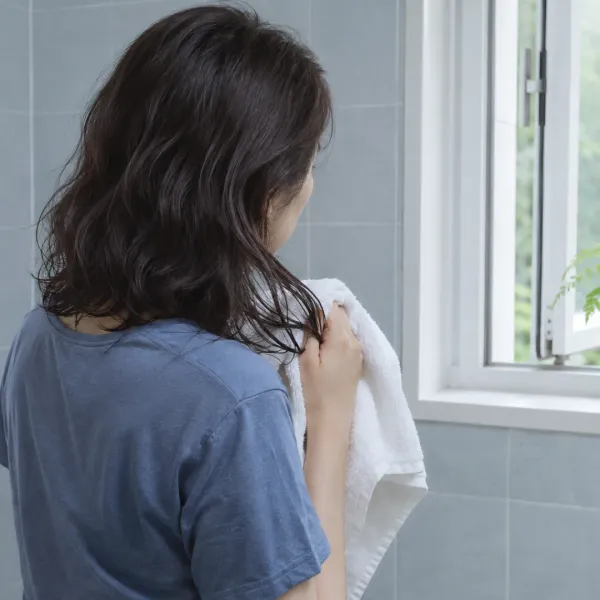
Towel-dried or slightly damp hair is often the easiest to shape. Soaking wet hair can take a very long time to dry and may not hold a pattern, while fully dry hair usually resists new shapes unless you re-dampen it. If you wake up with a shape you dislike, a light misting of water on the problem areas is often enough to reset it.
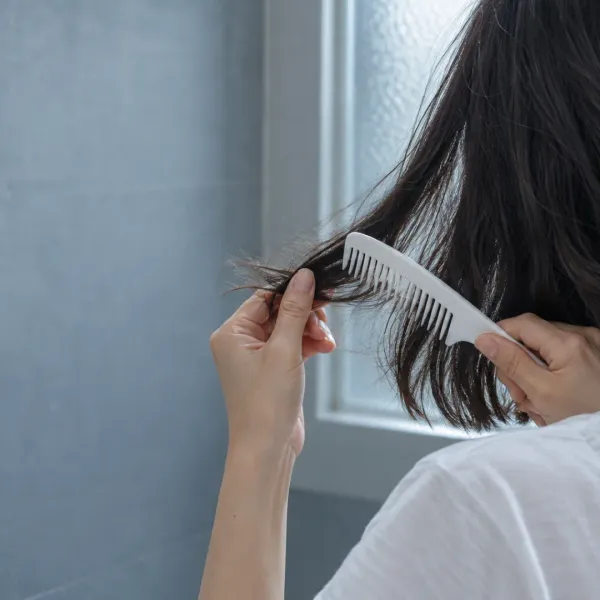
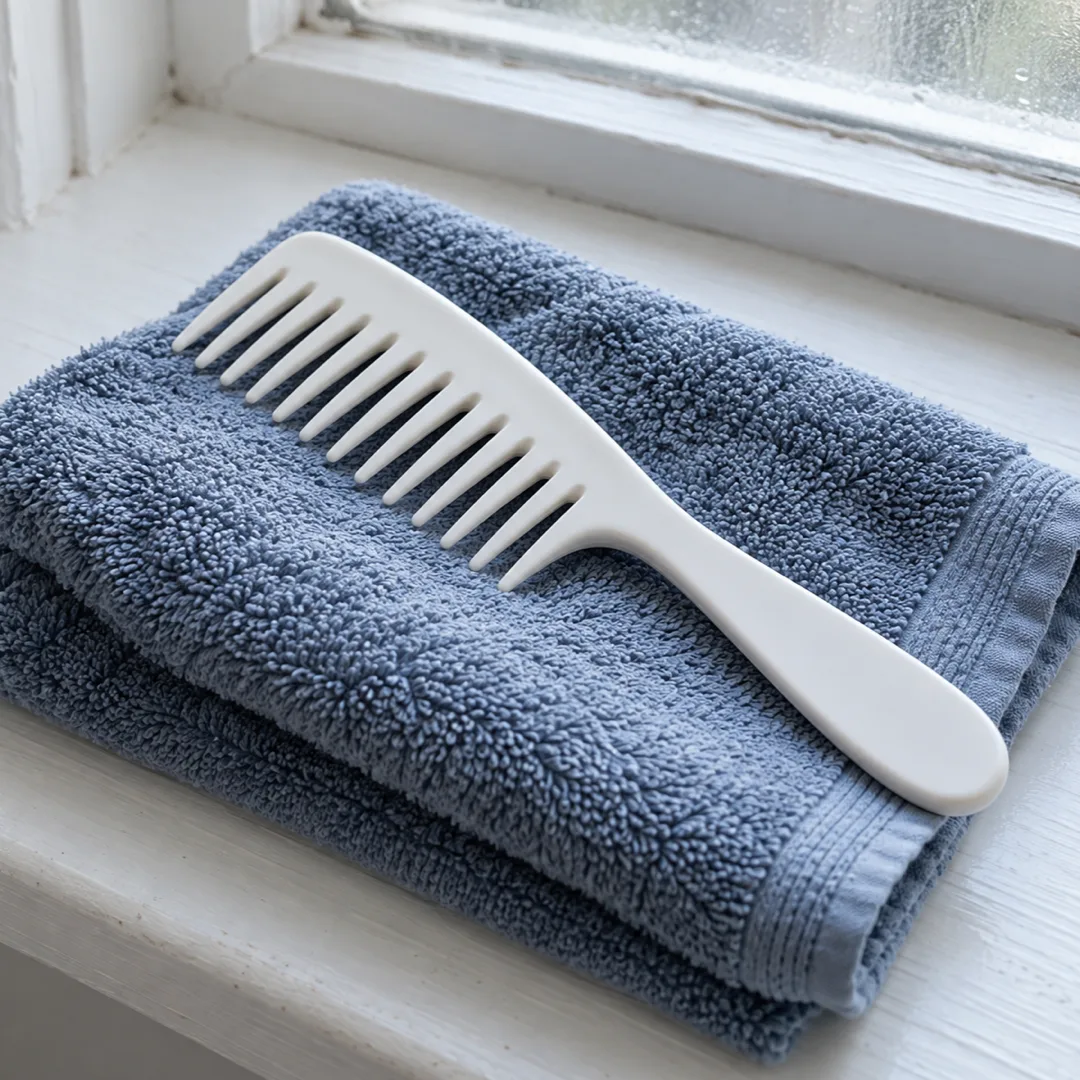
When you handle wet hair, be gentle. According to the American Academy of Dermatology's general hair care guidance, wet hair can be more fragile, so wide-toothed combs and patient detangling from the ends upward are commonly suggested. This will not change your hair type, but it can reduce unnecessary breakage while you style.
2. Let hair air dry in a deliberate shape
Air drying is not the same as ignoring your hair. How you position it as it dries makes a visible difference. Some common approaches include:
- Parting on the side you want. Hair dries toward the direction it falls, so choosing your part while damp helps with volume and flatness at the roots.
- Gently scrunching wavy or curly hair upward, which may encourage natural texture to group together instead of frizzing apart.
- Combing straight hair smooth and leaving it alone, since touching it repeatedly while it dries often adds frizz.
- Pinning the roots with clips if you want a bit of lift at the crown.
The limitation is honest and worth stating: air drying will not turn tightly coiled hair pin-straight, and it will not make fine, straight hair hold a deep curl for days. It works with your natural pattern, and the results depend heavily on your texture, density and humidity where you live.
Related reading: How to Wash Hair Less Often Without Greasy Roots
What to add when you have more time
Once the two core habits feel automatic, you can layer in a few extras. None is required. Think of them as options you pick from based on the look you want and how much time you have.
Overnight shapes for waves and curls
A loose braid, a twist, or a soft bun on top of the head is a classic way to build wave while you sleep. Looser is generally better, because tight styles that pull on the scalp can cause discomfort and tension on the hair. A silk or satin pillowcase or bonnet is often used to reduce friction, although how much difference it makes varies between people.
Results from overnight styles depend on how fully dry your hair is when you take it down. Slightly damp hair set in a braid may give softer, more defined waves, but hair that is still quite wet can stay damp into the morning. Some people prefer to start with nearly dry hair and re-dampen lightly for the best balance.
Rollers, wraps and headbands
Soft foam rollers, flexible rods, and fabric wraps are widely used for curls and body without a curling iron. Larger rollers tend to give looser waves and smaller ones give tighter curls. A soft headband method, where hair is wrapped around a fabric band, is another gentle way to get a relaxed curl pattern.
These tools take a little practice, and the first few attempts may look uneven. That is normal and does not mean your hair is unsuitable. Following the instructions that come with a specific tool is the best way to learn how to use it, since designs differ.
Light styling products, used sparingly
Leave-in conditioners, curl creams, mousses and light sprays are often used to help hair hold a shape or look less frizzy. Their effect is cosmetic and temporary, and they work differently on different textures. A heavy product on fine hair can weigh it down, while very light products may not be enough for thick or coarse hair.
Scalp or skin reactions to hair products vary from person to person. If you have a history of sensitivity, eczema, or allergies, it is worth reading ingredient lists and testing a new product carefully. A pharmacist or dermatologist can help you think through ingredients if you are unsure, and product labels should guide how any specific item is used.
Braids, twists and updos as styles in their own right
Sometimes the easiest heat-free style is one that does not depend on drying at all. Braids, low buns, twists and half-up styles can look polished and keep hair out of your face. Because they hold hair in place, they can also reduce daily handling. The caution is that very tight or repeated styles that pull on the same spots may stress the hairline over time, so comfort is a good guide.
What you can skip
A lot of the pressure around heat-free styling comes from the idea that you need a complete system. You usually do not. Here is what most people can leave out without missing much.
- A long product lineup. One or two products at most is plenty for many routines. More steps do not automatically mean better results.
- Styling every single day. Many people alternate between a shaped day and a simple day, such as a ponytail or clip, and this still counts as heat-free.
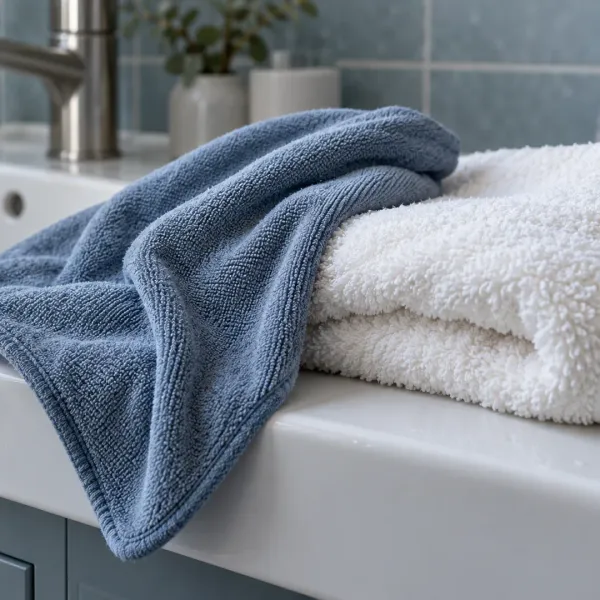
- Expensive tools. A wide-toothed comb, a few clips, and a soft towel or old cotton T-shirt cover most basics. Premium rollers or specialty wraps are a preference, not a requirement.
- Perfection. Air-dried hair often looks slightly different from day to day. That variation is normal rather than a sign you did something wrong.
- Rough towel rubbing. Many people find that gently squeezing or blotting hair is enough, and it tends to cause less frizz than vigorous rubbing.
It is also fine if you do not go completely heat-free. Some people use heat occasionally and prefer to reduce it rather than eliminate it. Reducing how often you use hot tools is a reasonable goal on its own, and you do not have to treat it as all or nothing.
When heat-free styling is not enough
Styling changes how hair looks, not how it grows or what condition it is in. If you notice patchy hair loss, a sore or very itchy scalp, persistent flaking, or sudden changes in thinning, those are not styling problems. The American Academy of Dermatology and the National Institutes of Health both note in their general information that hair and scalp changes can have many different causes, and a licensed professional such as a dermatologist is the right person to assess them.
Likewise, if a product causes redness, burning, or swelling, stop and speak with a pharmacist or clinician rather than trying to push through. Cosmetic goals are never a reason to ignore a reaction.
Frequently asked questions
Will heat-free styling make my hair healthier?
It may reduce one source of stress on hair, since frequent high heat is often linked with dryness and breakage in general hair care guidance, but styling alone does not determine hair health. Genetics, nutrition, scalp condition, and how you handle hair when wet all play a part. Results vary from person to person.
Can I get straight hair without heat?
Sometimes, to a degree. Smoothing damp hair with a comb and letting it dry flat, or wrapping it around the head as it dries, can give a smoother look, especially on hair that is already fairly straight or loosely wavy. Very curly or coily hair generally will not dry bone straight without heat or other methods, so it helps to set expectations based on your texture.
Is it a problem if my hair dries differently each time?
No, that is common. Humidity, how much water was left in the hair, how it was positioned, and even how long it was since your last wash can all change the outcome. If you want more consistent results, keeping your damp-hair routine as similar as possible each time usually helps.
Do I need to see someone if I want to change my hair routine because of damage?
Not for ordinary dryness or frizz, but it is worth talking to a stylist or dermatologist if damage seems severe, or if hair is breaking or falling out in ways that worry you. A professional can look at your hair and scalp directly, which no general article can do. They can also tell you whether the cause might be something other than styling.
Why do some people notice a difference quickly while others do not?
People start from different places, so the point at which a change becomes noticeable varies a lot. Hair length, texture, past damage, how often you used heat before, and even how closely you look at your hair all affect what you see. Because hair grows slowly and the ends reflect past treatment, some people feel their hair behaves better fairly soon, while others need patience and a steady routine before anything seems different. That gap is not a sign you are doing it wrong. It is simply how individual hair works, and learning how to style hair without heat tends to go better when you give your own hair room to respond at its own pace.
Disclaimer: This article is for informational purposes only and is not a substitute for professional medical advice, diagnosis, or treatment. Please consult a licensed professional for personal health decisions.