Air Drying vs Blow Drying Hair: Which Fits You?
Air drying vs blow drying hair has no single winner, because the better choice depends on your hair, your mornings, and how much time you can spare. Picture two people. One is a college student with thick, wavy hair who showers at night and heads to bed. The other is a busy parent with fine, straight hair who showers at 6:30 a.m. and has to be out the door by 7:15. Both want healthy-looking hair, but they probably should not land on the same answer.
This article walks through both scenarios, explains the reasoning in everyday terms, and then covers the limits that apply no matter which route you pick. It is written from an information-editor perspective, not a clinical one, so think of it as a way to organize your thinking rather than a prescription.
Scenario One: The Night Shower and the Wavy Hair
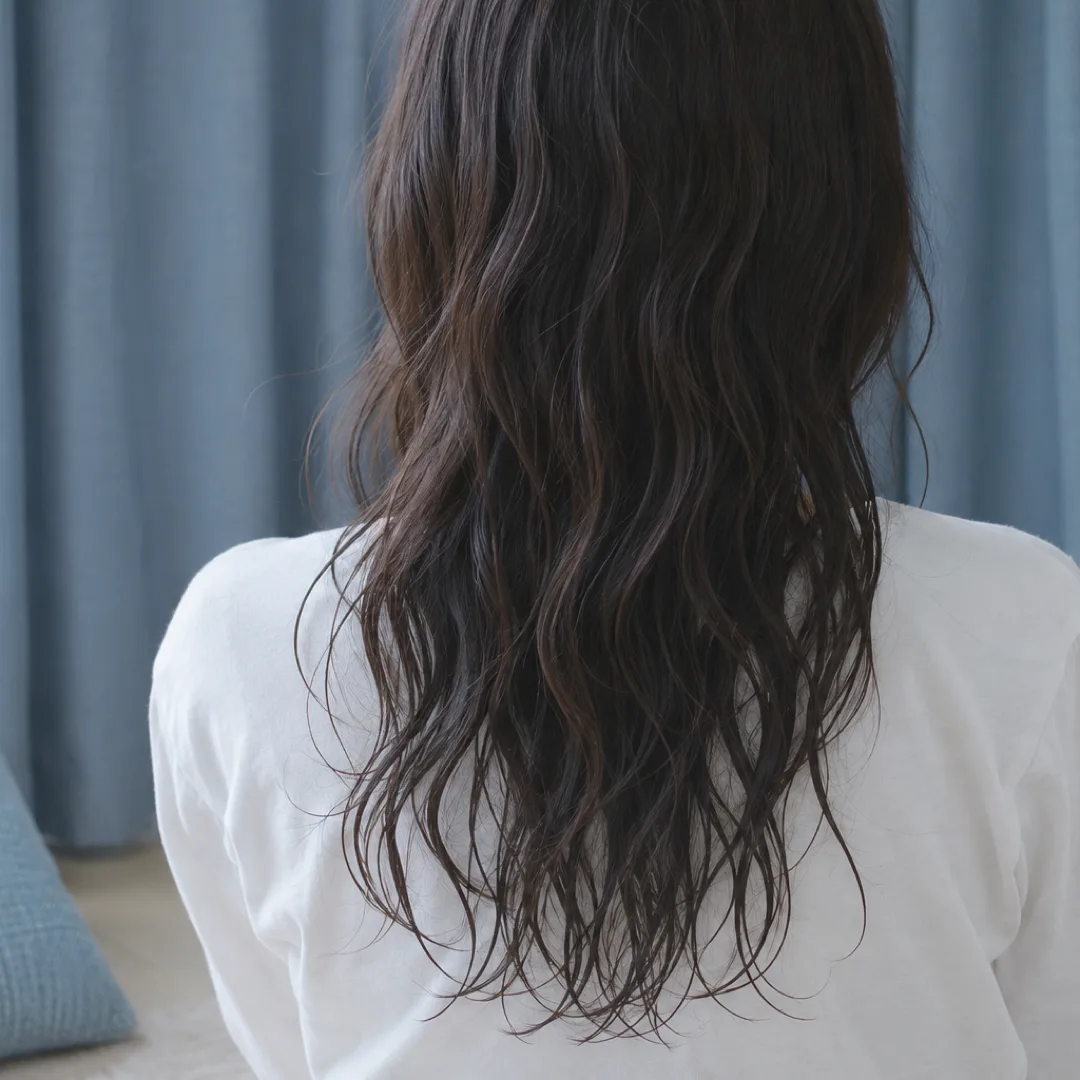
Imagine a student who showers around 10 p.m., has no early commitments the next morning, and likes the way their waves look when left alone. For this person, letting hair dry on its own fits the lifestyle. There is no rush, no heat needed, and the pattern of the hair is often shown off best when it is not disturbed too much.
Why air drying often suits this situation
Heat styling tools are generally associated with extra dryness and potential surface damage when used often or at high settings. The American Academy of Dermatology has noted in its general hair care guidance that heat from styling tools can contribute to hair damage, which is one reason many people look for lower-heat habits. For someone with textured or wavy hair that tends toward dryness, skipping the dryer can feel like an easy way to cut back on that exposure.
There is also the practical side. A person who showers at night and does not need styled hair at a specific time loses nothing by waiting. The hair dries while they relax, and the routine costs no extra effort.
Where the night-shower plan can go wrong
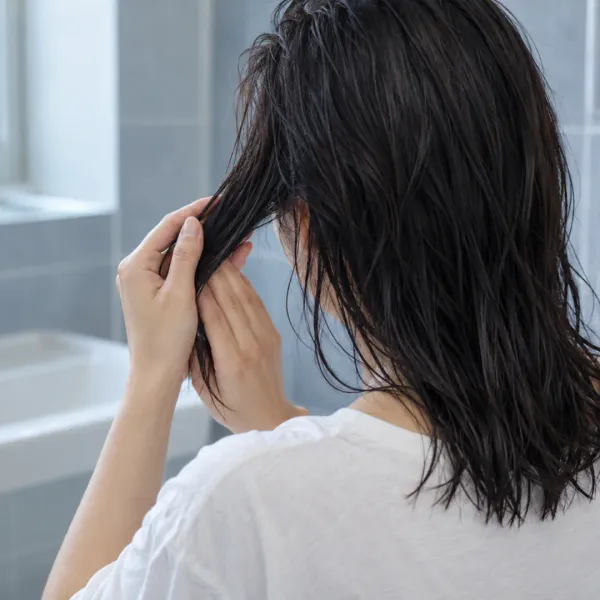
Air drying is not automatically gentle. Hair is more fragile when wet, and going to bed with damp hair can mean friction against a pillow, tangles, and a rumpled shape by morning. Some people also find that hair left wet for a long time feels heavy or looks flat at the roots.
Scalp comfort matters too. People who are prone to scalp irritation or flaking sometimes notice that a damp scalp for many hours does not feel great. If that sounds familiar, a conversation with a dermatologist or another qualified professional is a sensible next step, since the cause of scalp symptoms varies a lot from person to person.
If the same student suddenly had an early class or a job interview, the calculation would change. Waiting for thick hair to dry fully can take a long time, and that is exactly when many people reach for a dryer.
Small adjustments that can make air drying easier
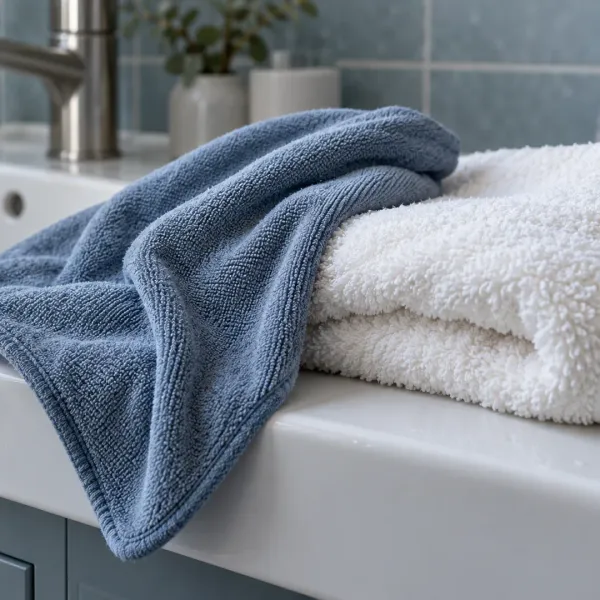
- Gently pressing water out with a soft towel or cotton shirt instead of rubbing hard
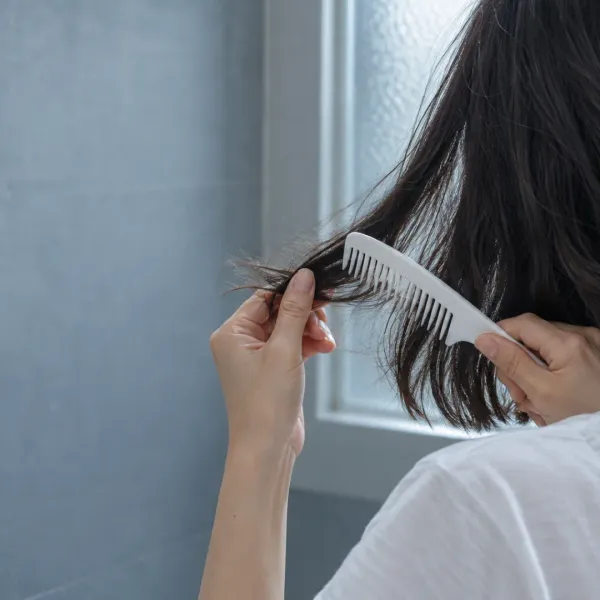
- Detangling gently while hair is still damp, using a wide-tooth comb
- Giving hair some time to dry a bit before lying down on it
- Choosing styling products according to the label and your own hair needs
Related reading: How to Brush Wet Hair Gently Without the Tangles
Scenario Two: The Morning Rush and the Fine Hair
Now consider the parent who showers in the morning. Fine, straight hair can look flat or stringy when it dries without help, and sitting around with wet hair is not an option when there is a school drop-off and a commute. Here, blow drying is less about vanity and more about logistics.
Why blow drying often suits this situation
A dryer shortens the time hair stays wet, and it lets a person control the shape, volume, and direction of the style. Fine hair in particular can lie close to the scalp when it air dries, so a bit of lift from a dryer is often what people are after. Walking out into cold weather with a wet head is also uncomfortable for many people, which is a practical reason to dry before leaving.
Using a dryer does not have to mean maximum heat. Many dryers have multiple heat and speed settings, and the manufacturer's instructions describe how each one is meant to be used. Lower-heat approaches are commonly discussed by hair care professionals as a way to be kinder to hair, though how much difference this makes varies by hair type and condition.
Where the morning plan can go wrong
Frequent high heat, holding a dryer too close, or concentrating heat on one spot are habits often linked to dry, brittle-feeling ends. People who also bleach, color, or chemically straighten their hair may find it more sensitive to heat. Those who notice breakage, a rough texture, or unusual shedding may want to talk with a dermatologist or a licensed hairstylist about what is going on.
Heat protectant products are widely sold and commonly used alongside dryers. How well they work depends on the product and the person, so it is worth reading the label and not treating any product as a guarantee against damage.
If this parent switched to a night shower and had a relaxed morning, the answer might shift toward letting hair air dry partway and using the dryer only briefly, or not at all. Context, not rules, drives the choice.
Related reading: How to Style Hair Without Heat: Start With the Basics
Side-by-Side: How the Two Options Compare
The table below summarizes how the two approaches differ across a few everyday considerations, without ranking one above the other.
| Consideration | Air drying | Blow drying |
|---|---|---|
| Time needed | Longer, depends on thickness and length | Shorter, depends on technique |
| Heat exposure | None from tools | Varies with settings and habits |
| Style control | Limited, hair sets as it dries | More control over shape and volume |
| Wet-hair time | Extended period of fragility | Shorter period of fragility |
| Convenience | Hands-free, plan ahead | Active effort, needs a tool |
What Both Approaches Cannot Fix
Neither method is a cure-all, and it helps to be honest about that. Hair that has already been damaged by bleaching, chemical treatments, or years of rough handling will not be reversed by changing how it dries. Hair strands are not living tissue, so cosmetic habits mostly shape how hair looks and feels and how much additional wear it gets.
Shared limits worth knowing
- Genetics and hair type strongly influence texture, thickness, and how hair behaves. No drying method overrides them.
- Brushing and friction can add stress to wet hair whether it is air dried or blow dried.
- Water and product buildup can affect how hair feels, regardless of how it is dried.
- Scalp conditions such as persistent itching, redness, or flaking are not something a drying choice will sort out.
- Hair loss or sudden changes in texture can have many causes, and a drying method is rarely the full story.
If something about your hair or scalp has changed noticeably, or if it is uncomfortable, a licensed professional is better placed to look into it than any general article.
According to the American Academy of Dermatology's general guidance, people with ongoing scalp or hair concerns are encouraged to see a board-certified dermatologist, since causes can range from everyday styling habits to medical conditions. That is a good reminder that cosmetic routines have limits.
Reactions to products and tools also vary. Someone with a sensitive scalp may find hot air irritating, while someone else notices nothing at all. Pay attention to your own response rather than assuming it will match anyone else's.
Related reading: Why Does Hair Get Greasy So Fast? What Your Scalp Is Doing
Choosing Your Side
The two scenarios above are simplified on purpose. Real life is messier: plenty of people air dry on weekends and blow dry on workdays, or let hair dry about halfway and finish with a short burst of low heat. Mixing the methods is common and perfectly reasonable.
If you are still unsure, three questions can help you work out which direction suits you better:
- How much time do I realistically have after washing? If you can wait, air drying is easier to fit in. If you have a hard deadline, a dryer may be the more practical option.
- How does my hair behave on its own? If it settles into a shape you like, there may be little reason to add heat. If it falls flat or frizzes in ways you dislike, some styling help may matter more to you.
- Is my hair or scalp already sensitive, dry, or treated? Colored, bleached, or easily irritated hair may call for extra care with heat, while a sensitive scalp may not enjoy long periods of dampness either. A licensed stylist or dermatologist can help you sort out which factor matters most.
In the end, air drying vs blow drying hair is a question of fit, not a contest. Your schedule, hair type, and comfort are the real guides, and results will differ from one person to the next. Start with the option that suits your day, notice how your hair responds over time, and adjust from there.
Disclaimer: This article is for informational purposes only and is not a substitute for professional medical advice, diagnosis, or treatment. Please consult a licensed professional for personal health decisions.