How to Brush Wet Hair Gently Without the Tangles
Two people can struggle with the same problem, snarled and snappy hair after a shower, for very different reasons, and that is why one fix rarely works for everyone. If you want to know how to brush wet hair gently, the short answer is to start by identifying what is making your hair fragile or knotted, then match your tools and pace to that cause. Wet strands tend to stretch more and can be more vulnerable to breakage than dry ones, so a slower, lower-tension approach usually makes sense. This article is written from an editor's perspective, drawing on general hair-care knowledge rather than personal treatment or clinical experience.
Sorting Out Why Wet Hair Fights Back
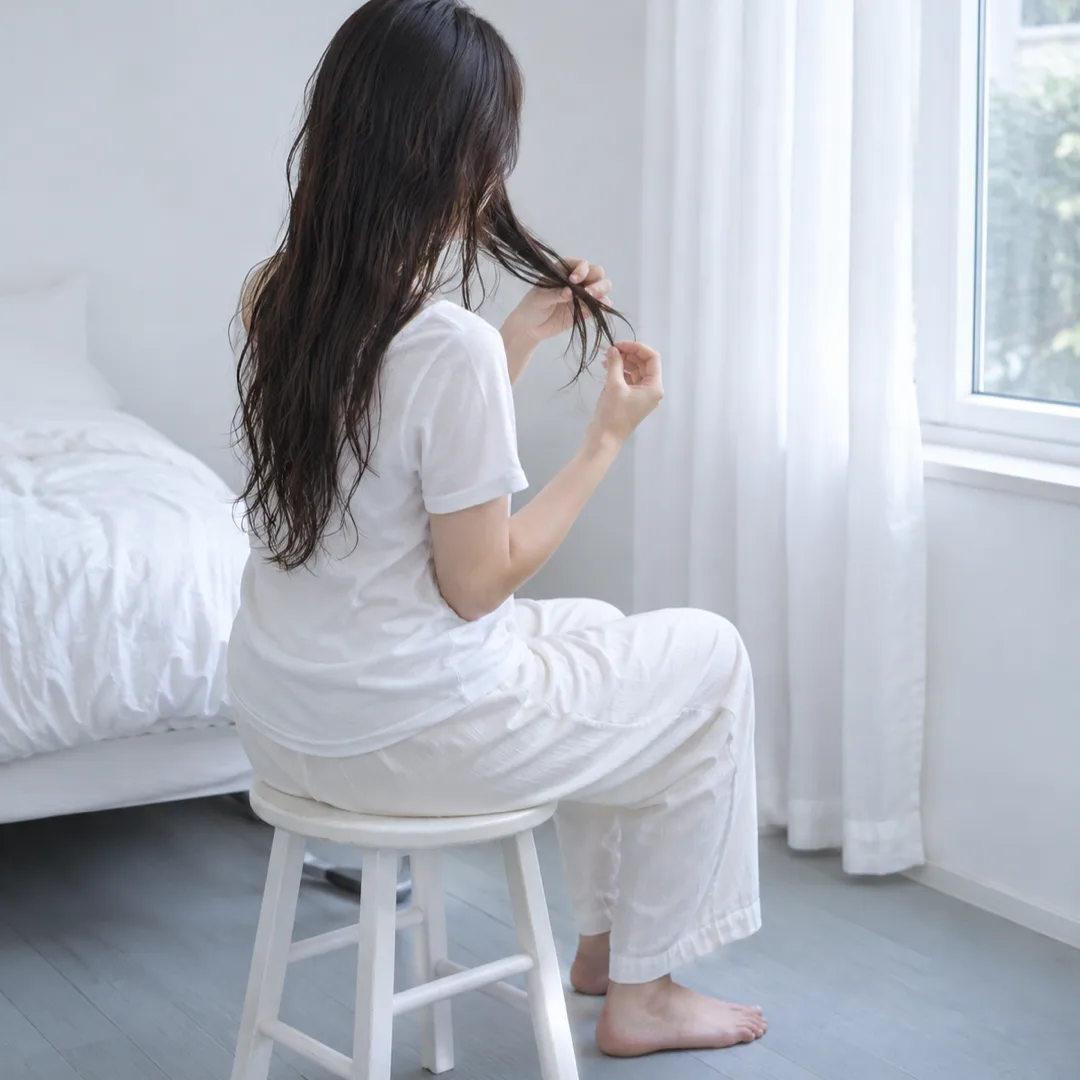
Before changing your brush, it helps to work out what is actually going wrong. Tangling after a shower can come from several overlapping sources, and treating the wrong one often wastes time, money, and patience.
In general, the common causes fall into a few groups:
- Texture and curl pattern: Curly and coily strands tend to catch on each other more readily, and they often feel drier because natural scalp oils travel along bends less easily.
- Surface damage: Heat styling, bleaching, coloring, and frequent friction can roughen the outer layer of the hair, which makes strands grab one another.
- Length and washing habits: Long hair piled on top of the head while shampooing can knot up before you ever reach for a brush.
- Technique and tools: Starting at the scalp, pulling hard, or using a tight-bristled brush can create breakage even on healthy hair.
Most people have a mix of these. Still, one cause is usually louder than the rest, and the sections below separate the two most common situations: hair that is rough or damaged, and hair that is naturally textured or long.
When Damage or Dryness Is the Main Culprit
How to tell if this is you
Hair that feels rough or straw-like when dry, looks frizzy even right after a shower, or shows lots of split ends and short broken pieces on your brush often points to surface wear. You might also notice that your hair tangles more in sections that have been colored or heated most often. Because wet hair is more elastic, damaged strands can stretch and then snap, which can look like sudden hair loss even though it is breakage along the shaft.
One caution: if you notice patchy thinning, scalp redness, pain, or a lot of shedding from the root, that is a different issue from breakage. The American Academy of Dermatology offers general guidance on hair and scalp concerns, and a dermatologist is the right person to sort out hair loss.
What tends to help
If damage is the issue, the goal is to reduce friction and tension. A few widely used habits include:
- Letting excess water drip off or pressing it out with a soft towel or microfiber cloth rather than rubbing vigorously.
- Working from the ends upward, so small knots are loosened before they get pushed into a larger one.
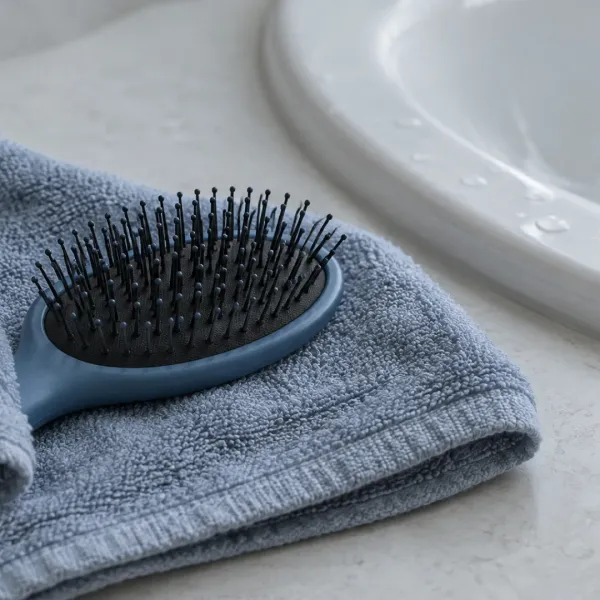
- Choosing a wide-tooth comb or a flexible detangling brush designed for wet hair, rather than a stiff, tightly packed brush.
- Holding the hair above the section you are working on, which takes pressure off the scalp and the root.
Many people also like a leave-in conditioner or detangling product to add slip. Ingredients and formulas vary, and some scalps react to fragrance or certain preservatives, so it is sensible to read the label and stop using anything that stings or itches. If you have a known allergy or sensitive skin, a pharmacist or dermatologist can help you choose.
What gets wasted if you misread it
If your tangles actually come from texture rather than damage, buying heavy repair products may leave hair feeling weighed down without solving the knots. Likewise, assuming breakage is damage when the real issue is a scalp condition can delay getting proper care. When results do not match your expectations after a reasonable stretch of time, that is a signal to rethink the diagnosis rather than add more products.
Related reading: How to Style Hair Without Heat: Start With the Basics
When Texture, Length, or Habit Is the Main Culprit
How to tell if this is you
If your hair is generally healthy, shiny, and not heat-styled much, but still knots up in the shower or when you step out, texture or routine is a likelier cause. Curly, wavy, and coily hair often forms clumps naturally. Very long hair can also twist around itself during washing, especially if it is piled up or scrubbed in circles.
A telltale sign is that tangles show up in the same places, such as the nape of the neck, behind the ears, or the ends, regardless of what shampoo you use.
What tends to help
For textured hair, many people find it easier to detangle when the hair is wet and coated with conditioner, since the added slip lets fingers or a wide-tooth comb glide more easily. Some prefer to use their fingers first to loosen larger clumps, then move to a comb for the finishing pass. Working in small sections, rather than the whole head at once, tends to reduce tugging.
For long or fine hair, a few adjustments often make a difference:
- Shampooing mainly at the scalp and letting the suds run down the lengths, instead of scrubbing the ends together.
- Applying conditioner mostly to mid-lengths and ends, where hair is oldest and driest.
- Detangling in the shower or just after, while the hair is still slippery, rather than waiting until it has begun to dry and tighten.
Some people with very tightly coiled hair prefer to detangle on damp, product-coated hair and avoid fine-tooth brushes altogether. Preferences differ, and what feels gentle on one head may feel harsh on another, so small experiments are reasonable.
What gets wasted if you misread it
If the real cause is texture, switching shampoos repeatedly is unlikely to stop tangling, since the pattern of the hair itself is the main driver. Over-brushing in hopes of smoothing the hair can also raise frizz and breakage. If your hair tangles in the same way no matter what you try, adjusting technique is usually more useful than adding products.
Related reading: How to Wash Hair Less Often Without Greasy Roots
Habits That Help Almost Everyone
Whatever is behind your tangles, a handful of principles tend to apply across hair types. They are general habits, not rules, and individual preferences vary.
Go slowly and start at the bottom
Beginning at the ends and working gradually upward is a widely repeated tip because it keeps small knots from becoming big ones. It may feel slower at first. Many people find it saves time overall, since there is less pulling and fewer stubborn mats to fight through later.
Match the tool to the job
Wide-tooth combs and flexible detangling brushes are commonly used on wet hair because they spread out the tension. Brushes with widely spaced, flexible bristles tend to be gentler than rigid ones. If a tool snags repeatedly, check for rough or bent teeth, which can catch strands and contribute to breakage.
Support the hair before and after
Gentle shampooing, regular conditioning suited to your hair type, and limiting very hot water and high-heat styling can all reduce how fragile hair feels. The American Academy of Dermatology provides general hair care guidance along these lines, and it is a reasonable place to read more. Sleeping with hair loosely tied or on a smooth pillowcase is another small change some people find useful, though the effect varies.
Know when to pause
If brushing hurts, if you see bald patches, or if your scalp is irritated, flaky, or sore, it is better to stop and get the scalp looked at than to keep pushing through. Hair care is not a stand-in for evaluation of a medical concern, and a dermatologist can tell you what is going on.
Bringing It Together
Gentle brushing of wet hair comes down to figuring out which problem you actually have. If your strands are rough, dry, or visibly worn from heat and color, the focus tends to be on reducing friction, using a suitable comb or brush, and adding slip so that fragile hair is not stretched. If your hair is healthy but naturally textured or long, the focus usually shifts to technique: smaller sections, conditioner for slip, and a patient approach from the ends upward.
When it is hard to tell which camp you fall into, a simple route is to change one thing at a time and watch for a few weeks, keeping in mind that results vary between people. If tangling comes with pain, patchy thinning, or scalp irritation, a dermatologist or other qualified professional is the better next step. Learning how to brush wet hair gently is less about a perfect tool and more about paying attention to what your own hair is telling you.
Disclaimer: This article is for informational purposes only and is not a substitute for professional medical advice, diagnosis, or treatment. Please consult a licensed professional for personal health decisions.