Tight Hairstyles and Hair Stress: What Your Hair Is Telling You
You finish a sleek ponytail or a set of snug braids, and by evening your scalp feels sore, your temples ache, and you wonder whether the style is quietly doing harm. Tight hairstyles and hair stress are closely linked: styles that pull hard on the roots can strain the follicles and strands, and that strain tends to add up when it repeats. How much it matters depends on your hair type, how tight the style is, and how often you wear it.
The sections below move from the simplest question to the trickiest, with plain explanations, practical limits, and signs that call for a professional opinion.
Can a tight ponytail or braid really stress your hair?

Yes, it can. Constant pulling on the same spots puts mechanical tension on the hair shaft and the follicle that anchors it. The American Academy of Dermatology describes a form of hair loss linked to repeated pulling from tight styles, called traction alopecia.
Think of it like a tight watch band or a heavy bag strap. Wear it occasionally and the skin recovers. Wear it daily in the same position, and the area can become irritated.
What "stress" looks like on the hair itself
Mechanical stress often shows up first as small, easy-to-miss changes. Strands near the hairline may look thinner or shorter than the rest, and you may notice more breakage around the temples, the nape, or the part line.
Other common signals include:
- Tenderness, tightness, or a "pulled" feeling that lingers after the style comes out
- Small bumps or redness around the follicles
- Flaking or itching along the parting
- Frayed, snapped strands where an elastic or clip usually sits
Which styles tend to put the most pull on hair?
Styles that are tight at the hairline are the usual suspects: high, slicked-back ponytails, buns pulled firmly off the face, tight braids or cornrows, and extensions attached with significant weight or tension. Hair that is already fragile, dry, or chemically treated may have less tolerance for that pull.
Accessories matter too. Thin elastics with metal pieces, tight claw clips, and repeated use of the same hold position can concentrate pressure in one small area.
Exceptions and individual differences
Not everyone reacts the same way. Some people wear secure styles for long stretches with little visible change, while others notice discomfort quickly. Hair texture, density, scalp sensitivity, and family patterns all play a role, so there is no single "safe" tightness that fits everyone.
A style that feels uncomfortable is generally a sign worth taking seriously. Hair that looks fine today may still be under strain that only shows up over time.
Related reading: How to Choose a Hair Dryer That Fits Your Hair
How can you tell normal tension from harmful pulling?
A good rule of thumb: a style should feel secure, not painful. Mild awareness of a ponytail is normal, but ongoing aching, stinging, or a headache-like sensation is commonly treated as a warning sign that the style is too tight.
Discomfort that fades quickly after you take the style down is less concerning than soreness that sticks around. If the pain wakes you at night or makes the scalp tender to the touch, the tension may be more than your hair and skin appreciate.
Everyday clues worth noticing
You do not need special tools to check in with your hair. A few simple observations can tell you a lot about whether a routine is working for you.
- Skin at the hairline: Is it visibly stretched, pale, or red when the style is in?
- Edges: Do the fine hairs along the temples look sparser than they used to?
- Breakage pattern: Are short snapped pieces concentrated where the style grips?
- Scalp comfort: Does taking the style down bring noticeable relief?
If you answer yes to several of these, it may be time to loosen things up or change the style.
Why stress and tension are not the same thing
The phrase "hair stress" can mean two different things, and it helps to keep them apart. One is mechanical: physical pulling from styling. The other is body-wide stress, such as illness, major life events, or sleep disruption, which the American Academy of Dermatology and the National Institutes of Health note can be associated with increased shedding in some people.
These can overlap. A person going through a stressful season may shed more, and if tight styles are also in the mix, it becomes harder to tell what is causing what. That is one reason a professional evaluation is useful when thinning is unexplained.
Limits of at-home judgment
Self-observation can flag a problem, but it cannot tell you the cause. Thinning near the hairline can come from styling tension, but also from hormonal changes, nutritional factors, scalp conditions, or autoimmune patterns. Looking at photos or a mirror cannot sort those out reliably.
If you are unsure, treat your observations as notes to share with a clinician rather than as a diagnosis.
Related reading: Why Does Hair Get Greasy So Fast? What Your Scalp Is Doing
What helps reduce hair stress without giving up your favorite styles?
You usually do not have to abandon updos entirely. Reducing tension, varying where the pull lands, and giving the scalp breaks are the strategies most often suggested. Results vary from person to person, and gentler habits cannot promise that existing thinning will reverse.
Small styling adjustments people commonly make
Many people find that loosening a style just a little changes how it feels. Alternating between a low and a high placement, shifting the part, or changing where a ponytail sits spreads the pull across different follicles instead of the same ones every day.
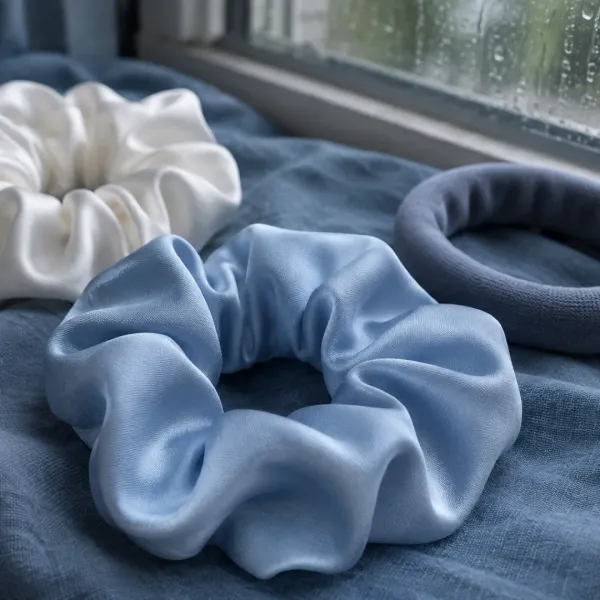
- Choosing soft, fabric-covered elastics over thin or snag-prone ones
- Leaving the front hairline relaxed rather than slicked tightly back
- Giving hair loose, down days between more secure styles
- Avoiding sleeping in a tight style
- Being gentle when removing elastics, clips, or braids rather than tugging
Extensions, braids, and weaves
Longer-term protective styles deserve extra thought. Heavy extensions, very tight installation, or leaving styles in for extended stretches can increase the load on the follicles. The label "protective" does not guarantee the style is gentle on your scalp.
Many stylists and dermatology organizations suggest being open about discomfort during installation. A style that hurts while it is being put in is generally worth adjusting rather than enduring. Take the tension seriously, and speak up early.
Caring for the scalp and strands
Gentle handling goes a long way. Detangling with patience, avoiding repeated heat on the same sections, and keeping the scalp clean and comfortable can all support hair that is already under strain. Cosmetic products may make hair feel smoother or look fuller, but they are not a substitute for reducing the pulling itself.
If you are considering a medicated product for thinning, ask a pharmacist or doctor before using it. Whether something suits you depends on the cause, and that is a question for a professional, not a product label alone.
When to see a professional
Some signs deserve a visit to a dermatologist or another qualified clinician rather than more self-experimenting. Seeking care sooner is generally considered better, because early changes are often easier to address than long-standing ones.
- Visible thinning or bald patches along the hairline or part
- Persistent pain, burning, or swelling of the scalp
- Pimple-like bumps, crusting, or oozing around follicles
- Hair that sheds heavily without an obvious reason
- Changes that continue even after you stop wearing tight styles
A clinician can look at the scalp, ask about your history, and discuss what may be going on. They can also tell you what fits your situation and what to expect, which a general article cannot do.
Frequently asked questions
Is hair that has thinned from tight styles able to grow back?
It depends on how long the pulling has gone on and how much the follicles have been affected. The American Academy of Dermatology generally notes that earlier changes tend to be more responsive once tension is removed, while long-standing pulling may lead to lasting loss. A dermatologist can assess your own situation and discuss realistic expectations.
Do loose styles count as safe on any hair type?
Looser styles generally put less strain on follicles, but no style is risk-free for everyone. Very fine, fragile, or recently treated hair may still break under weight or friction, even when a style feels comfortable. Paying attention to how your scalp and strands respond over time is more reliable than relying on a style's reputation.
Should children and teens avoid tight hairstyles too?
Young people can be affected by pulling just like adults, and they may not always mention discomfort. Parents and caregivers often watch for complaints of soreness, red skin, or thinning near the hairline. If you notice changes, a pediatrician or dermatologist can offer guidance suited to the child.
Looking after your hair is about noticing how it responds, easing off the pull when it complains, and asking a professional when something seems off. Tight hairstyles and hair stress do not have to be a permanent trade-off, but individual results differ, so personal guidance is worth seeking when you are unsure.
Disclaimer: This article is for informational purposes only and is not a substitute for professional medical advice, diagnosis, or treatment. Please consult a licensed professional for personal health decisions.