How to Pick a Brush for Your Hair Type
Learning how to pick a brush for your hair type comes down to matching bristle style, brush shape, and handle design to your texture, thickness, and scalp. Many people end up with a drawer full of brushes that snag, tug, or leave hair staticky, and the cause is often a mismatch rather than a flaw in the hair. Fine strands, thick coils, and chemically treated lengths all respond differently to the same tool. Fixing the problem works best in the right order: identify what your hair is doing, make a quick change today, adjust your tools this week, then build habits that last.
Pinpoint What Your Hair Is Actually Doing
Before buying anything, it helps to describe your hair in plain terms. A brush that suits one head of hair can be a poor fit for another, and the label on the package rarely tells the whole story. Three features tend to matter most: strand thickness, curl pattern, and density.
Strand thickness and texture
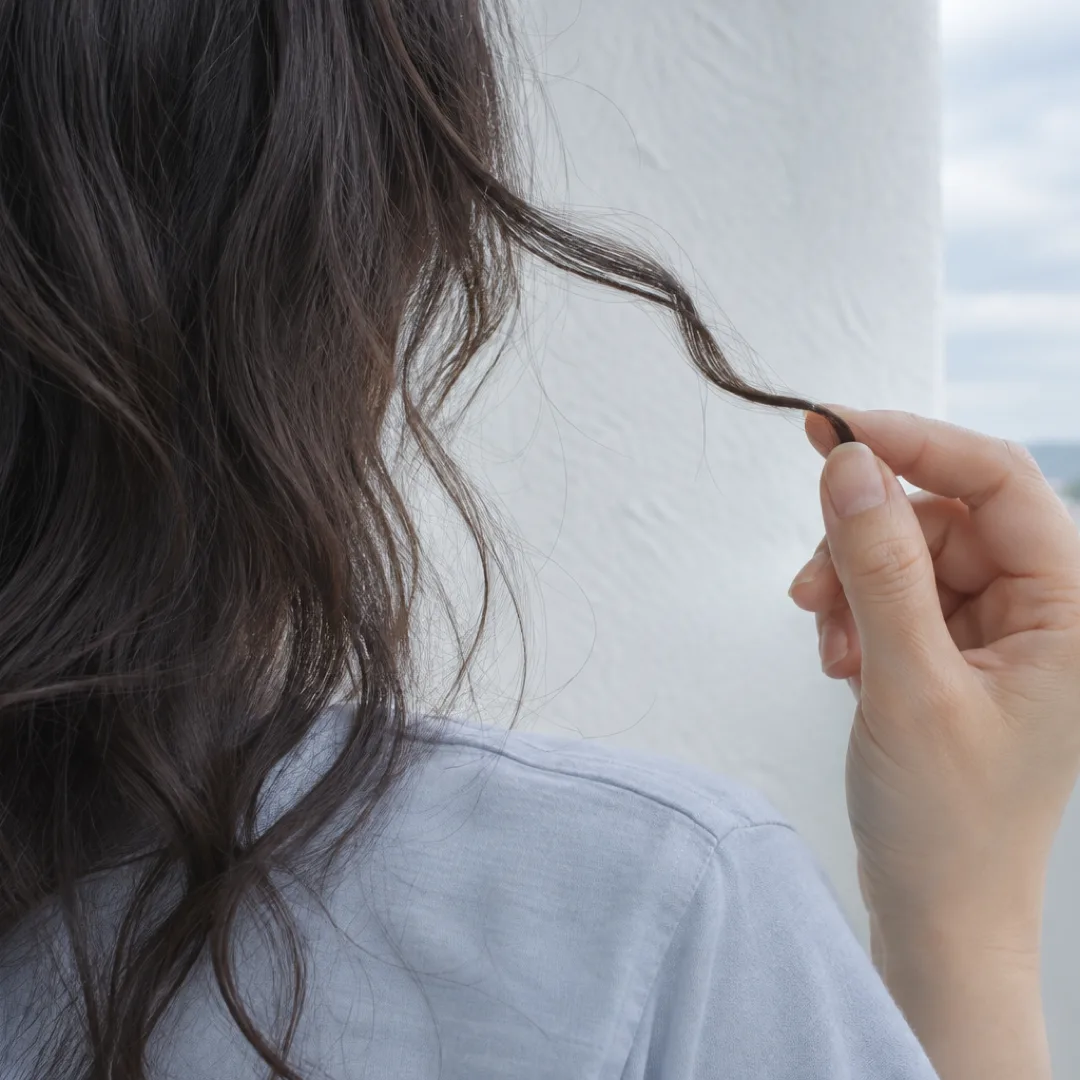
Fine hair is usually thin per strand and can be easy to stretch or break under tension. Medium hair sits in between, and coarse hair has a wider strand that often feels stronger but can be drier. Rolling a single strand between your fingers gives a rough sense of which group you fall into, though the categories are informal and overlap.
Curl pattern and density
Straight, wavy, curly, and coily hair each distribute oils differently and tangle in different ways. Tighter curl patterns generally tangle more easily and can be more prone to dryness, which affects how much force a brush should need. Density, meaning how many strands grow per area of scalp, also matters, since very dense hair can stall a small brush while thin density can make stiff bristles feel harsh on the scalp.
Current condition and scalp comfort
Color treatment, heat styling, relaxers, and frequent tight styles can leave hair more fragile. A tender or itchy scalp can also change what feels comfortable. The American Academy of Dermatology has general guidance noting that gentle handling and minimizing damaging habits are part of routine hair care, and it is a reasonable place to read more about everyday practices.
Step 1: Make Quick Changes Today
You do not need a new brush to start improving the experience. These immediate adjustments focus on technique and on what you already own.
- Check your current brush for wear. Look for bent bristles, rough tips, cracked bases, or trapped residue. How: hold the brush up to the light and run a finger lightly over the bristle tips. Why: damaged or sticky bristles can catch and pull strands, which is often mistaken for a hair problem.
- Clear out buildup. Remove loose hair from the bristles. How: a comb tip or similar tool can lift tangled hair away from the base. Why: a clogged brush grips hair unevenly and can redeposit product and dust.
- Be mindful of when you brush. What: notice whether your hair is wet, damp, or dry when you reach for a brush. Why: wet hair is commonly described as more elastic and easier to overstretch, so many people choose gentler tools for that moment and often reach for a wide-tooth comb instead.
- Start from the ends. How: work through the lower lengths first and move upward in sections. Why: this approach keeps knots from being dragged along the full length of the hair.
If your scalp stings, burns, or bleeds when brushing, that is a signal to pause, and the last section of this article covers when to get personal guidance.
Step 2: Match a Brush to Your Hair This Week
Once you know your hair type, you can shop with a clearer filter. The goal is not one perfect brush but a small set that covers your needs. Here is how the common types generally line up with different hair.
Common brush types and what they are often used for
- Paddle brush: A wide, flat cushion with spaced bristles, often used for smoothing longer, straighter hair and for gentle everyday brushing.
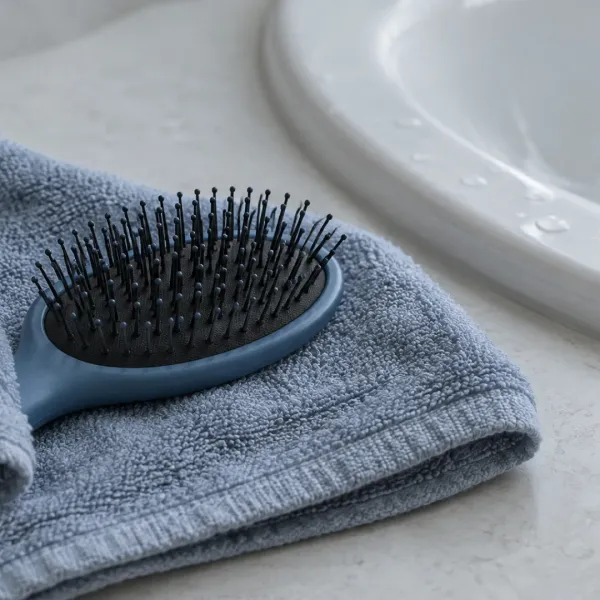
- Cushion or oval brush: A soft rubber pad with flexible bristles that tends to give a gentle feel on the scalp. It is commonly chosen by people with sensitive scalps or fine hair.
- Boar bristle brush: Natural bristles are often used to help spread scalp oils along the lengths. Many people with fine or normal hair like them, while very thick or tightly coiled hair may find them less effective on its own.
- Detangling brush: Flexible, staggered bristles designed to move through knots with less resistance. These are widely used for wavy, curly, and coily hair and for children.
- Vented brush: An open base that lets air pass through, often paired with blow drying to shorten drying sessions.
- Round brush: A barrel shape used while styling to add bend or volume. Barrel size usually affects how tight or loose the curve turns out.
- Wide-tooth comb: Not a brush, but frequently suggested for wet or very curly hair because it spreads tension across fewer, wider teeth.
Matching tools to hair types
Fine or thin hair usually does better with soft, flexible bristles and light pressure. Stiff, closely packed pins can feel rough on the scalp and may tug at fragile strands.
Thick or coarse hair often needs sturdier bristles with enough spacing to move through the volume. A brush that is too small can take much longer and cause more friction.
Wavy and curly hair is commonly paired with flexible detangling brushes or wide-tooth combs. Many people with defined curls brush when the hair is damp and coated with a conditioning product, since dry brushing may disturb curl clumps and add frizz.
Coily and tightly textured hair is often prone to dryness and tangles at the bends of each coil. Wide-tooth combs and flexible detangling brushes are commonly used here, and sectioning the hair beforehand is a widely shared habit.
Chemically treated or heat-styled hair may be more fragile, so gentler bristles and slower handling often make sense.
Handle, bristle tips, and materials
Small design details can change how a brush feels in daily use. Rounded or ball-tipped bristles are generally gentler on the scalp than sharp ones. A comfortable, balanced handle reduces strain on your wrist, which matters if you brush for long stretches. Plastic, wood, and rubber bases each have fans, so choose what feels good in your hand and is easy to clean. If you have a known allergy to certain materials or finishes, check product labeling carefully.
Related reading: How to Brush Wet Hair Gently Without the Tangles
Step 3: Build Habits That Last
A good brush works better when the routine around it is steady. These longer-term habits are about consistency rather than any single product.
- Keep your tools clean. What: remove hair and wash brushes from time to time with mild soap. How: follow the manufacturer's care notes, since wooden and cushioned brushes can react badly to soaking. Why: residue from styling products and scalp oils builds up and can transfer back to clean hair.
- Replace brushes when they wear out. What: retire brushes with bent, missing, or cracked parts. Why: worn bristles lose their glide and can cause friction. There is no universal schedule, so use condition, not a calendar, as your guide.
- Brush with purpose, not by habit. What: some people find that fewer, gentler passes feel better than long brushing sessions. Why: repeated friction on delicate hair can contribute to breakage over time, though individual experiences differ.
- Pair tools with the rest of your care. What: think about conditioning, heat protection, and sleeping on smooth fabrics alongside the brush itself. Why: hair that is kept moisturized and protected is generally easier to detangle, regardless of brush.
- Adjust with the seasons and with life changes. What: reassess your tools after a color change, haircut, or shift in hair texture. Why: hair can change with age, hormones, climate, and styling, and a brush that suited you before may no longer fit.
A brush is a small part of hair care, but when it fits your hair type, daily detangling tends to feel easier and less stressful on the strands.
Related reading: Wide Tooth Comb vs Brush: Which Suits Your Hair?
When a New Brush Does Not Solve It
Sometimes the tool is not the problem. If you have switched brushes, adjusted your technique, and still see persistent trouble, it may be time to look at causes beyond brushing. Results vary a great deal between people, and a brush cannot address every concern.
Signs worth getting checked
- Noticeable hair shedding or thinning that seems out of pattern for you.
- Patches where hair has become sparse or fallen out.
- A scalp that is persistently painful, very itchy, flaky, red, or has sores or crusting.
- Breakage that continues even after you have simplified your routine.
- Hair or scalp changes that appear alongside other symptoms, such as fatigue or sudden shifts in health.
The American Academy of Dermatology notes that hair loss and scalp conditions can have many different causes, and a board-certified dermatologist is the kind of professional who can evaluate them. A hairstylist who works with your specific texture can also offer practical suggestions on tools, cuts, and routines, though a stylist cannot diagnose a medical issue.
If you use any medicated shampoo, topical treatment, or prescription product for the scalp, ask your pharmacist or doctor how it fits with your brushing routine, and follow the product instructions and professional guidance rather than general tips. Knowing how to pick a brush for your hair type is a good starting point, but persistent or worsening symptoms deserve personal attention from a qualified professional.
Disclaimer: This article is for informational purposes only and is not a substitute for professional medical advice, diagnosis, or treatment. Please consult a licensed professional for personal health decisions.