What Causes a Flaky Scalp? How Each Trigger Works
What causes a flaky scalp usually comes down to one of a few things: dry skin, an irritated or inflamed scalp, a reaction to a product, or a common skin condition such as seborrheic dermatitis. White or yellowish bits land on your shoulders, the scalp feels tight or itchy, and you start wondering whether it's dryness, dandruff, or something else. The visible flakes are only the end of a chain, and knowing the links in that chain makes it easier to see why one person's flakes look nothing like another's.
This guide moves from what you see, to the common first-level causes, to the skin processes underneath, and then to why the same trigger plays out differently from person to person. It is general information, not a diagnosis.
What a Flaky Scalp Looks Like on the Surface
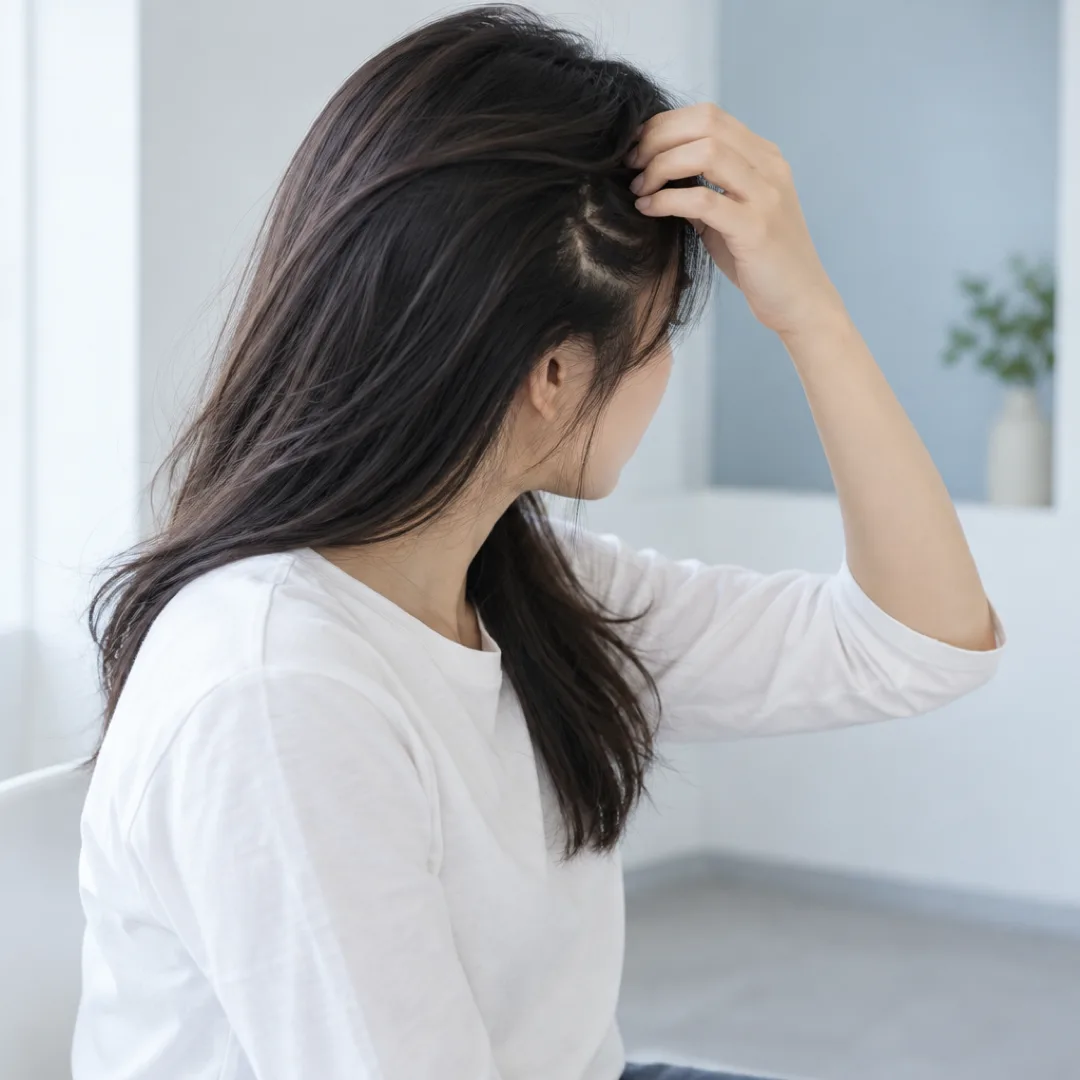
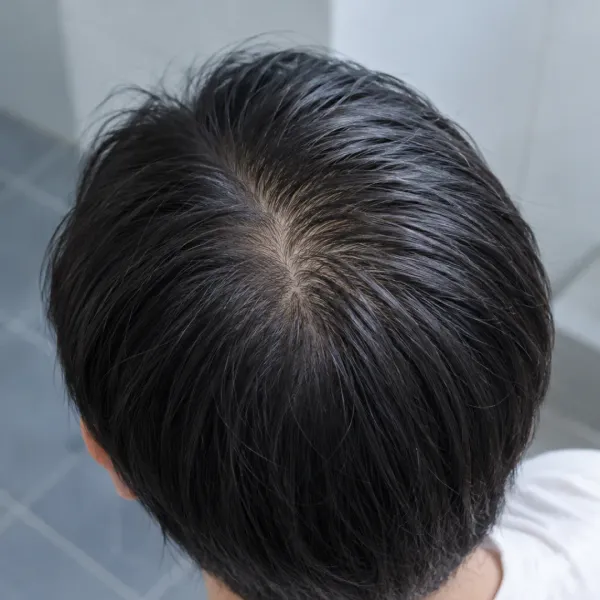
Flakes are not all the same, and their appearance gives useful clues. Some are small, white, and powdery, and they tend to fall off easily. Others are larger, yellowish, and slightly greasy, and they may cling to the scalp or hair. Some people also notice redness, itching, or a tight feeling after washing.
Dry-looking flakes versus oily-looking flakes
Fine, dry flakes often show up alongside dry skin elsewhere on the body, especially in colder or low-humidity seasons. Larger, oilier flakes are more often associated with seborrheic dermatitis, a common inflammatory skin condition. According to the American Academy of Dermatology general guidance, dandruff and seborrheic dermatitis are closely related, and the difference is often a matter of degree. Appearance alone cannot settle the question, though, and overlap between causes is common.
When the flakes come with other signs
Thick, raised, silvery patches with defined edges can point to something other than ordinary dandruff, such as scalp psoriasis. Painful areas, oozing, significant hair shedding, or sores are also worth bringing to a professional rather than guessing at home. Flakes that spread beyond the scalp, to the eyebrows, sides of the nose, or behind the ears, are another reason to get a proper look.
The Most Common First-Level Causes
Several everyday triggers sit at the top of the chain. They are not mutually exclusive, and many people have more than one going on at once.
- Dry skin: The scalp is skin, and it can dry out like the rest of you, particularly with hot water, harsh cleansing, or dry indoor air.
- Seborrheic dermatitis: A common condition involving redness and greasy-looking scales in oil-rich areas of the body.
- Contact reactions: Hair dye, styling products, fragrances, and some preservatives can irritate or trigger an allergic response in sensitive people.
- Product buildup or infrequent washing: Oil, sweat, and styling residue can collect and mix with shedding skin cells, making flakes look larger and more noticeable.
- Other skin conditions: Scalp psoriasis, eczema, and fungal infections of the scalp can all produce scaling.
The Mayo Clinic's general patient information lists several of these as common reasons for dandruff, and it also notes that stress, certain neurological conditions, and a weakened immune system are sometimes linked with it. Linked does not mean proven to cause it in any one person, which is worth keeping in mind.
What Happens Underneath: The Mechanism
The scalp, like all skin, constantly renews its outer layer. Cells form deep in the skin, move upward, flatten, and shed. Normally this happens quietly and the shed cells are too tiny to notice. A visible flake means something has either sped up that process or made the cells clump together.
The chain in plain steps
One widely discussed pathway for dandruff-type flaking runs like this:
- The scalp produces sebum, a natural oil, and a yeast called Malassezia lives on most adults' scalps as a normal resident.
- The yeast breaks down components of that oil, and the byproducts can irritate the skin in people who are sensitive to them.
- The skin responds with mild inflammation, which can show up as itching or redness.
- Inflamed skin tends to turn over its surface cells faster, so cells reach the top before they have shed in tiny, invisible bits.
- Those cells stick together in clumps, and the clumps are what you see as flakes.
In short: oil plus yeast byproducts → irritation → faster cell turnover → clumped flakes. The details are still studied, and researchers do not claim every case follows this exact path.
The dryness pathway works differently
Dry-skin flaking skips the yeast step. When the skin barrier loses water, the outer layer becomes rough and starts to lift in small scales. Hot showers, strong detergents, and low humidity can all strip oils that help hold moisture in. The result is flaking without much oil or redness, and often a tight, dry feel.
The contact pathway
With a reaction to a product, the immune system or the skin barrier responds to a specific ingredient. That can cause itching, redness, and scaling that appears after a new product enters the routine. Because it can look a lot like dandruff, people sometimes keep using the culprit while treating the wrong problem. If flaking started soon after a change in products, that timing is a useful detail to mention to a clinician.
Why the Same Trigger Looks Different From Person to Person
Two people can use the same shampoo, live in the same climate, and end up with very different scalps. Several individual factors explain the gap, and none of them are about being careless.
Skin type and natural oil levels
People differ in how much sebum their scalps make and how their skin responds to the yeast that lives there. Someone with a naturally oily scalp may be more prone to greasy-looking flakes, while someone with dry skin may mainly see fine, powdery ones. Hormones, age, and genetics can all shift that baseline over time.
Hair type and washing habits
Tightly coiled or very textured hair is often washed less frequently, partly because natural oils travel down the strand less easily and the hair can dry out. That can leave the scalp with more buildup between washes, or more dryness if washing is harsh. Neither approach is wrong by default. What suits one hair type and lifestyle may not suit another, which is why a single universal routine does not exist.
Climate, seasons, and stress
Many people notice flakes get worse in colder months, when heated indoor air dries the skin. Stress and poor sleep are also commonly mentioned as factors that can coincide with flare-ups, although the research here is mixed and individual responses vary a lot.
Underlying health and medications
Some medical conditions and treatments affect the skin and immune system, which can change how the scalp behaves. The National Institutes of Health's general resources note that skin conditions often overlap and can have several contributing factors at once. If you manage a chronic condition or take regular medication, a pharmacist or clinician is the right person to ask about scalp changes.
When a Professional Look Makes Sense
Over-the-counter dandruff products are widely available, and many people ask a pharmacist which active ingredients fit their situation. How often to use any medicated product, and for how long, depends on the specific product and on your scalp, so follow the label and check with a pharmacist or doctor. Results vary, and some products can themselves irritate sensitive skin.
It is reasonable to seek professional advice if flaking is persistent, spreading, painful, or accompanied by hair loss, crusting, or intense itching. The same goes for flakes that do not change after you have adjusted your routine. A dermatologist can tell dandruff from psoriasis, eczema, or a fungal problem, which matters because the causes are different.
Two Things Worth Avoiding Once You Know the Mechanism
Understanding the chain makes two common reactions look counterproductive.
First, avoid scratching or picking at flakes. Fingernails can break the skin, add irritation, and feed the inflammation step that drives faster cell turnover. Broken skin is also more open to infection and can leave the scalp more sensitive afterward.
Second, avoid treating every flake as dryness. Piling on heavy oils and leave-in products because the scalp looks dry can backfire when the real driver is oil-related irritation or buildup. Guessing at the cause is how a flaky scalp drags on, so if one approach isn't helping after a reasonable time, the better move is to ask a professional rather than adding more products.
Disclaimer: This article is for informational purposes only and is not a substitute for professional medical advice, diagnosis, or treatment. Please consult a licensed professional for personal health decisions.