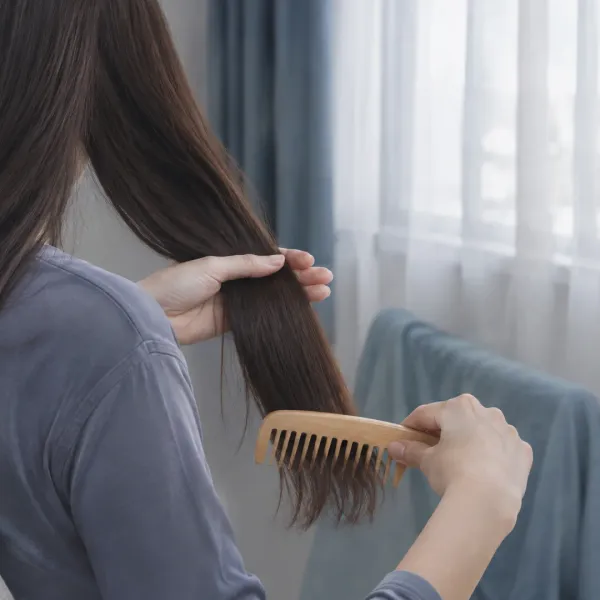
Hair Serum vs Hair Oil: Which Suits Your Routine?
Hair serum vs hair oil is less a contest than a question of fit, and the answer depends on your hair, your schedule, and the finish you want. Picture two people. One is a college student with fine, straight hair who air-dries on the way to class and hates anything that makes her roots look flat. The other is a parent in his forties with thick, wavy, color-treated hair who heat-styles on weekends and notices dry ends by midweek. They could both reach for a "shine product" and end up with very different results.
Both products are cosmetics. They are generally described as helping with smoothness, shine, and the look of frizz, and neither is a treatment for hair damage or scalp conditions. Results vary from person to person, so the sections below explain the reasoning rather than promise an outcome.
What these two products generally are
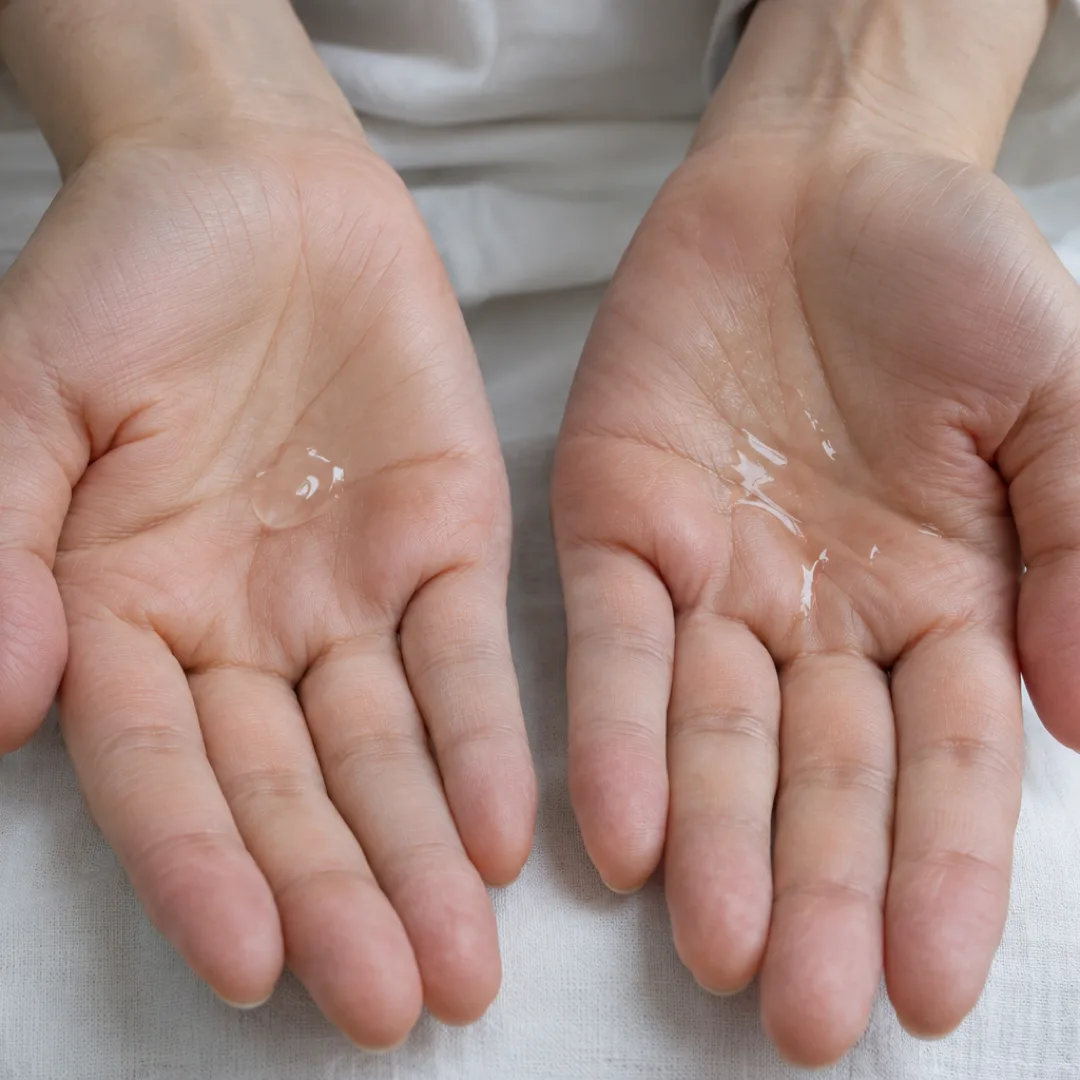
A hair serum is usually a lightweight, slippery liquid or gel-like formula. Many serums rely on silicones or similar smoothing ingredients that coat the hair surface, which is why they are often associated with a sleek, glossy look. Some are formulated with a small amount of oil, but the overall feel tends to be thin and silky.
A hair oil is typically built on plant-derived or mineral oils, sometimes blended with fragrance or silicone-type ingredients. Oils tend to feel richer and can add softness and weight to the hair. Because they sit on the surface and may help slow water loss from the strand, they are commonly used on dry or coarse hair.
The labels blur the line. Some products sold as oils behave like serums, and some serums contain oils. Reading the ingredient list and noticing the texture in your palm tells you more than the front of the bottle.
Situation one: fine, straight hair and a quick morning
For the student with fine, straight hair, a serum is the more common fit. Fine strands tend to be easily weighed down, and a lightweight formula is less likely to leave hair looking limp or greasy by lunchtime. She also has no time for a multi-step routine, and a serum is generally associated with a quick, low-effort finish.
Her lifestyle matters here too. If she is walking outdoors in humid weather, a smoothing serum may help the look of frizz and flyaways. If she washes her hair often and exercises, a lighter product also tends to be easier to remove at the next wash.
Things change if her situation changes. If she starts bleaching her hair, uses hot tools daily, or notices rough, brittle ends, a richer product concentrated on the lengths may become more appealing. Fine hair is not a rule against oil, just a reason to be careful about amount and placement.
Situation two: thick, wavy, color-treated hair and weekend styling
For the parent with thick, wavy, color-treated hair, an oil is often the more natural match. Thick or textured hair generally tolerates richer products better, and dry, porous ends tend to look softer and more polished with something that has more cushion. Color-treated hair can feel rougher after chemical processing, and oils are commonly chosen to improve softness and shine.
Heat styling adds another layer. Some people use a heat-protectant product before blow-drying or flat ironing, and then use a finishing oil or serum afterward for shine. Heat protection is a separate job from shine, and not every serum or oil is made for it, so the product label is the place to check. If a product mentions heat styling, follow the manufacturer's directions on the packaging.
If his hair were fine, or if he preferred a very light feel, a serum would probably serve him better. And if he has an oily scalp, keeping any oil-based product away from the roots is a common label recommendation.
Side-by-side comparison
The table below summarizes how the two products are generally described across a few everyday criteria.
| Criterion | Hair serum | Hair oil |
|---|---|---|
| Typical texture | Thin and silky | Richer and more cushioned |
| Common finish | Sleek and glossy | Soft and nourished-looking |
| Often chosen for | Fine or easily weighed-down hair | Dry, thick, or textured hair |
| Main caution | Buildup with frequent use | Greasy look if overdone |
Treat this as a starting point, not a verdict. Individual hair varies a lot, even among people with the same hair type.
Limits both products share
Neither a serum nor an oil repairs hair in a lasting way. Hair strands are not living tissue, so these products mostly change how hair looks and feels on the surface. According to the American Academy of Dermatology's general hair care guidance, gentle handling, limiting heat, and being careful with chemical treatments are common ways people protect hair over time. A finishing product does not replace those habits.
Buildup is a shared concern. Layering products day after day can leave hair feeling coated or dull, and some people use a clarifying shampoo from time to time. How often that makes sense depends on your hair, your products, and your washing routine.
Skin and scalp reactions are another shared limit. Fragrance and certain plant oils can irritate some people or trigger allergic reactions. The U.S. Food and Drug Administration notes that cosmetics are not required to have premarket approval, which is one reason reading labels and paying attention to your own reactions matters. If you notice itching, redness, stinging, or a rash on your scalp or skin, it is sensible to stop using the product and talk with a dermatologist or other qualified professional.
Finally, neither product addresses hair thinning, sudden shedding, or scalp conditions such as persistent flaking. Those concerns have many possible causes, and a licensed professional is the right person to sort them out.
Conclusion: matching the product to your hair
Hair serum vs hair oil comes down to hair thickness, dryness, styling habits, and how much weight you can comfortably carry. Fine, easily flattened hair is commonly paired with lighter serums, while thick, dry, or color-treated hair is often paired with richer oils. Many people end up using one or the other depending on the day, or keep both for different needs.
Three questions can help you decide which side suits you:
- How quickly does my hair look weighed down? If it goes flat or greasy easily, a lighter formula is the more common starting point.
- Where is my hair driest? If the concern is mostly rough, dry ends, a richer product focused on the lengths is often considered.
- How do my skin and scalp react to fragrance and plant oils? If you have a history of sensitivity, ingredient lists deserve extra attention, and a professional can advise on what to avoid.
Frequently asked questions
Can I use a serum and an oil together?
If your hair is thick or dry in some areas and prone to frizz in others, some people use both, with the richer product kept to the ends. Layering can add up to buildup, though, so it helps to watch how your hair feels over time. Product labels give the manufacturer's directions for use.
Why does my hair look greasy after using a finishing product?
If your hair is fine, it tends to be weighed down more easily, so even a small amount of a rich product can read as greasy. Placement near the roots can also make hair look oily faster, especially with an oily scalp. Switching to a lighter formula or keeping product to the lengths is a common adjustment.
Do these products protect hair from heat?
Only if the product is made and labeled for that purpose. Shine and heat protection are separate jobs, and many serums and oils are designed mainly for finish. If you style with hot tools, check the packaging and follow the manufacturer's directions.
When should I talk to a professional instead of changing products?
If you notice scalp irritation, persistent itching, unusual shedding, or thinning, the cause is unlikely to be a matter of serum versus oil. A dermatologist or other licensed professional can look at the underlying reason. Switching products first may only delay getting useful answers.
Disclaimer: This article is for informational purposes only and is not a substitute for professional medical advice, diagnosis, or treatment. Please consult a licensed professional for personal health decisions.
Related reading: How to Care for Hair Under a Hat or Helmet