How to Air Dry Hair Without Frizz: A Beginner's Walkthrough
Learning how to air dry hair without frizz mostly comes down to handling wet hair gently, keeping moisture in, and leaving your strands alone while they dry. If you have never tried it, or you have tried it and ended up with a puffy halo, that is completely normal. Frizz is common, it has a few understandable causes, and nobody is born knowing how to manage it. This walkthrough follows the process in order, from the decisions you make before you even step out of the shower to the small habits that come afterward.
Results differ from person to person, because hair texture, density, climate, and past styling all play a part. Think of what follows as general information to help you experiment, not a promise of a particular outcome.
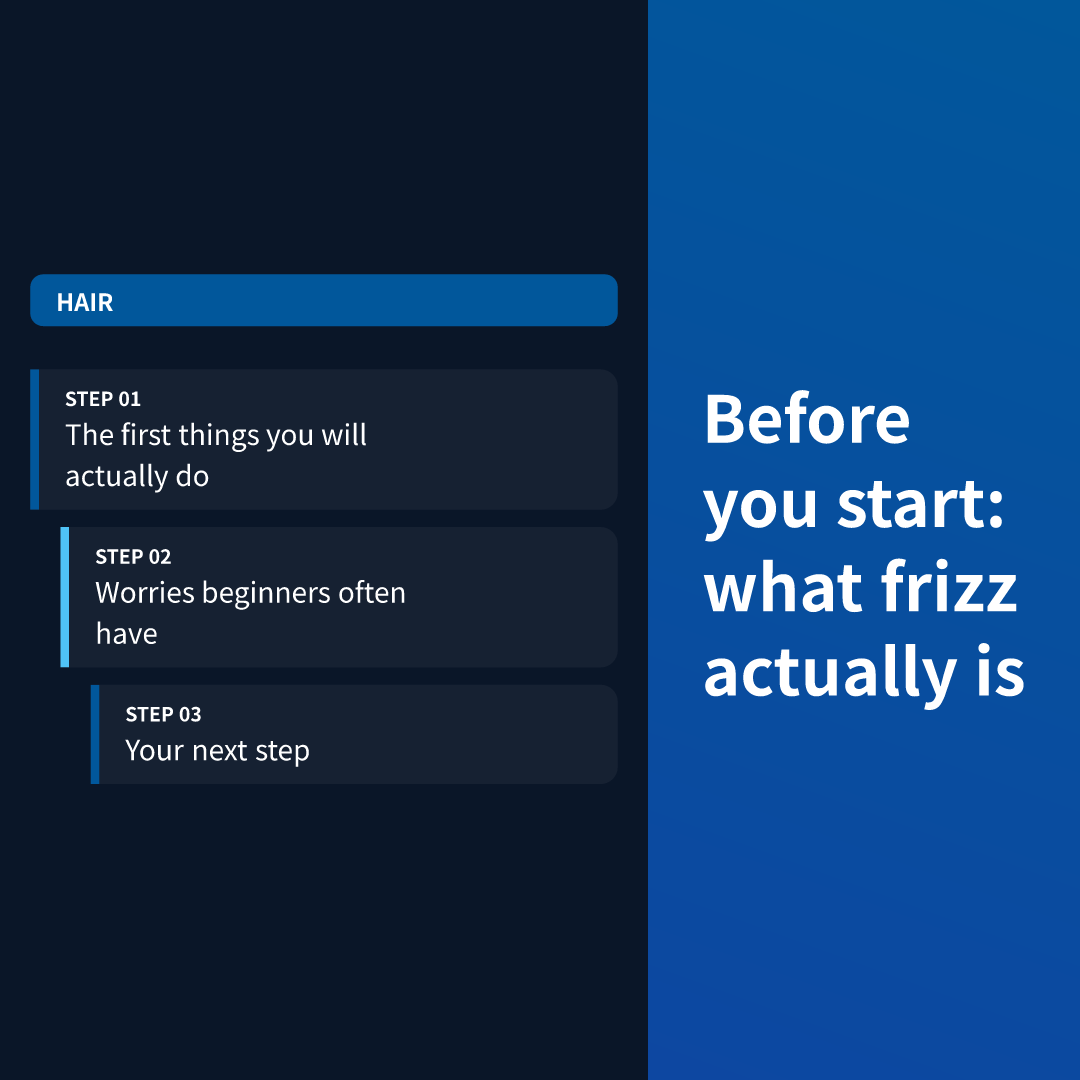
Before you start: what frizz actually is
Frizz is the fuzzy, flyaway look that shows up when individual hairs stand away from the rest instead of lying smoothly together. To understand why, it helps to know a little hair vocabulary.
The cuticle, in plain words
Each strand of hair is covered by tiny overlapping scales called the cuticle, a bit like roof shingles. When the shingles lie flat, hair tends to look smooth and reflect light. When they lift, hair can look rough and puffy. Many cosmetic and hair-care resources describe frizz as hair with a raised cuticle that is reaching for moisture from the air.
Why air drying can go either way
Air drying avoids the direct heat of a blow dryer, which is a point in its favor. Frequent use of heat styling tools can leave hair feeling dry and damaged over time, so some people choose to let their hair air-dry more often. The tradeoff is that hair sits damp for a long while, which gives it more time to swell, shift, and form whatever shape it likes. Frizz often comes from what happens during that waiting period, not from air drying itself.
Know your hair type first
People with curly or coily hair often find frizz more noticeable, because the natural bends in the strand make it harder for moisture to travel along it and make the cuticle more likely to lift. Fine, straight hair can frizz too, usually as static or flyaways. Hair that is colored, bleached, or frequently heat-styled may be more prone to frizz because the cuticle is often rougher. None of this is a flaw. It simply means different hair may respond to different habits.
Set realistic expectations
Air drying will not turn very curly hair sleek or make fine hair thick. The more useful goal is smoother, more defined hair that suits your natural pattern. Humidity, wind, and the day's weather can still change how it looks, so some frizz on some days is expected.
The first things you will actually do

Here is the sequence most beginners walk through, from wash day to dry hair. You do not need every step to start. Adding them one at a time lets you notice what makes a difference for you.
Step 1: Be gentle in the shower
Frizz prevention starts before drying. Very hot water and vigorous scrubbing can leave hair feeling rougher for some people, so many hair-care guides suggest lukewarm water and a gentle motion with the fingertips on the scalp. Shampoo mainly cleans the scalp, and conditioner is generally the part meant for the lengths and ends, where hair is oldest and driest.
If your hair feels dry or rough, a conditioner labeled as moisturizing or smoothing is commonly used. Product directions vary, so read the label on whatever you choose. If you have a scalp condition or a known sensitivity to fragrance or other ingredients, ask a pharmacist or a dermatologist before changing products.
Step 2: Skip the rough towel rub
Rubbing wet hair with a regular bath towel is one of the most commonly mentioned frizz triggers. The rough loops of terrycloth can lift the cuticle and tangle strands. Many people instead gently squeeze or blot water out, using a soft cotton T-shirt or a microfiber towel made for hair. The American Academy of Dermatology Association's general hair-care tips also point toward gentle handling of wet hair, since hair is more fragile when it is wet.
Step 3: Detangle while it is damp, not dry
Tangles pulled through after hair has dried tend to cause breakage and frizz. Many people use a wide-tooth comb or a brush designed for wet hair, working from the ends upward in small sections so knots are not dragged all the way down. If your hair is very curly, it is common to detangle while conditioner is still in, since the slip can make this easier. Go slowly. Rushing is the usual way hair gets pulled and roughed up.
Step 4: Consider a smoothing product
Lightweight products such as leave-in conditioners, creams, serums, or oils are often used to help hair hold moisture and reduce the look of frizz. They do this mostly by coating the strand, which can make it feel smoother. Which one suits you depends on your hair. Fine hair can look weighed down by heavy products, while thick or coily hair often does well with richer ones. Product instructions differ, so follow the label, and if you have allergies or sensitive skin, check ingredients carefully and consider a patch test or asking a pharmacist.
Related reading: How to Care for Thick Coarse Hair: Guide by Hair Type
Step 5: Pick a drying position and then leave it alone
This is the part that surprises people. Once your hair is damp and styled, constant touching is a major source of frizz. Running your fingers through it while it dries disturbs the strands as they set. Many people let curls or waves dry in their natural pattern, part their hair where they usually would, and then simply avoid handling it until it is fully dry.
Some people also use loose techniques to help hair dry with shape. These are widely discussed in hair-care communities:
- Scrunching: gently pressing hair upward toward the scalp to encourage curl clumps.
- Loose braids or twists: wet or damp hair set in a soft braid, which can produce waves and keep strands together as they dry.
- Soft wrapping: hair gathered loosely in a cotton or microfiber wrap, which can absorb water without roughing the surface.
Keep any style loose. Tight bands or pulled-back styles can create dents and tension that may show up as breakage or odd bends.
Step 6: Wait until it is fully dry before touching
Hair that feels dry on the outside can still be damp underneath. Breaking up curls or fluffing too early often leads to frizz. When your hair is completely dry, some people gently shake out the roots or use a tiny bit of product on their hands to smooth the surface. How long drying takes depends on length, thickness, and room conditions, so there is no single timeline.
Worries beginners often have

It is very common to feel unsure at this stage. These are the concerns that tend to come up, along with some reassurance that stays honest about the limits.
"My hair still frizzes even though I did everything"
That happens, and it does not mean you did it wrong. Hair that has been bleached, colored, or frequently heat-styled often has a rougher surface, and it can take time and consistent gentle care for it to feel smoother, if it changes much at all. Weather matters as well. On very humid days, hair tends to absorb moisture from the air and swell, which can cause frizz regardless of technique. Treat the first few tries as experiments.
"Will air drying damage my hair?"
Air drying generally avoids the direct heat of styling tools, which is why some people prefer it. That said, hair left wet for a long time can feel more fragile, and sleeping on soaking wet hair may lead to tangles and friction. Some people find that letting hair dry mostly before bed helps. There is no guarantee any approach prevents all damage, since hair health depends on many factors.
"Is it okay to sleep with damp hair?"
Many people do, and it usually comes down to comfort and how your hair behaves in the morning. Friction against a pillow can roughen hair, and some people find a satin or silk pillowcase or a loose, soft hair wrap reduces tangling. If you notice scalp irritation, itching, or flaking that does not settle down, that is worth mentioning to a healthcare professional rather than trying to solve with more products.
"I am worried products will make my hair greasy or heavy"
This is a fair concern, and it comes up most often with fine hair. Many people start with a small amount of a lightweight product, focus on the ends rather than the roots, and adjust from there based on how their hair feels. Because directions differ by product, rely on the label rather than a general rule.
"Can I just use oil or a home remedy?"
People often reach for oils, and some are commonly used to add shine and soften the feel of hair. Their effects vary, and some people find certain oils too heavy or irritating to the scalp. Natural does not automatically mean gentle for everyone. If you have sensitive skin, a history of allergies, or a scalp issue, check with a pharmacist or a dermatologist before adding something new.
When frizz might signal something else
Frizz alone is typically a cosmetic concern. However, sudden changes in hair texture, noticeable thinning, patchy hair loss, or a painful, itchy, or inflamed scalp are different matters. The American Academy of Dermatology Association encourages people with persistent hair or scalp concerns to see a board-certified dermatologist, since these can have causes that styling changes will not address. If something seems off or is getting worse, a professional visit is a sensible next move.
Your next step
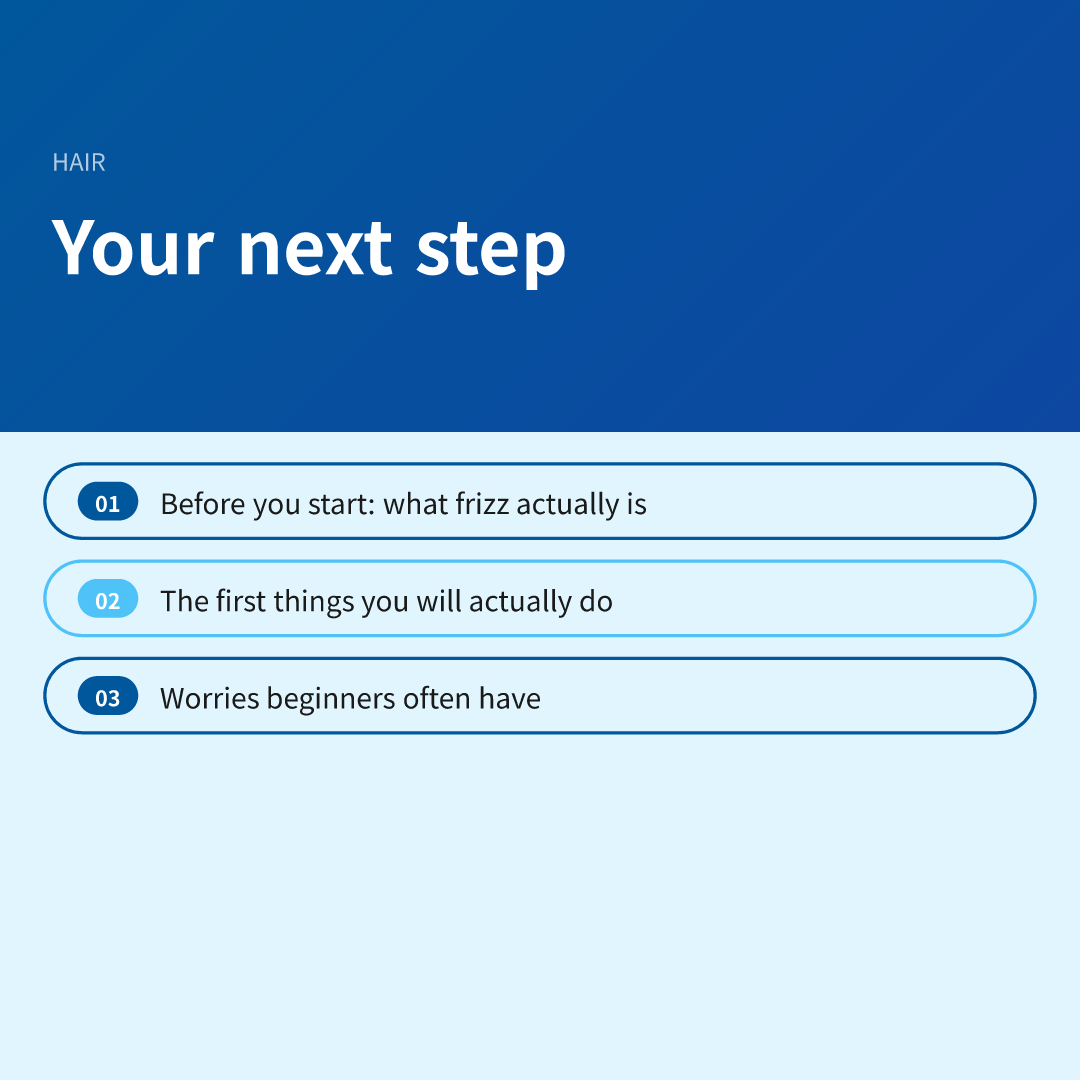
You do not need a full routine or a cabinet of products to get started with how to air dry hair without frizz. After your next wash, try just one change: swap the rough towel rub for a gentle squeeze with a soft cotton T-shirt, then leave your hair alone while it dries. Notice how it looks and feels, and build from there at your own pace.
Disclaimer: This article is for informational purposes only and is not a substitute for professional medical advice, diagnosis, or treatment. Please consult a licensed professional for personal health decisions.