How to Use Foam Rollers Overnight for Smoother Curls
Figuring out how to use foam rollers overnight starts with one idea: the same disappointing result can come from different causes, and each cause calls for a different fix. Waking up with limp waves, frizzy ends, or one flat side usually traces back to moisture level, roller size, sleep position, or comfort, not to a single mistake. This guide separates those causes so you can tell which one applies to you before changing your routine.
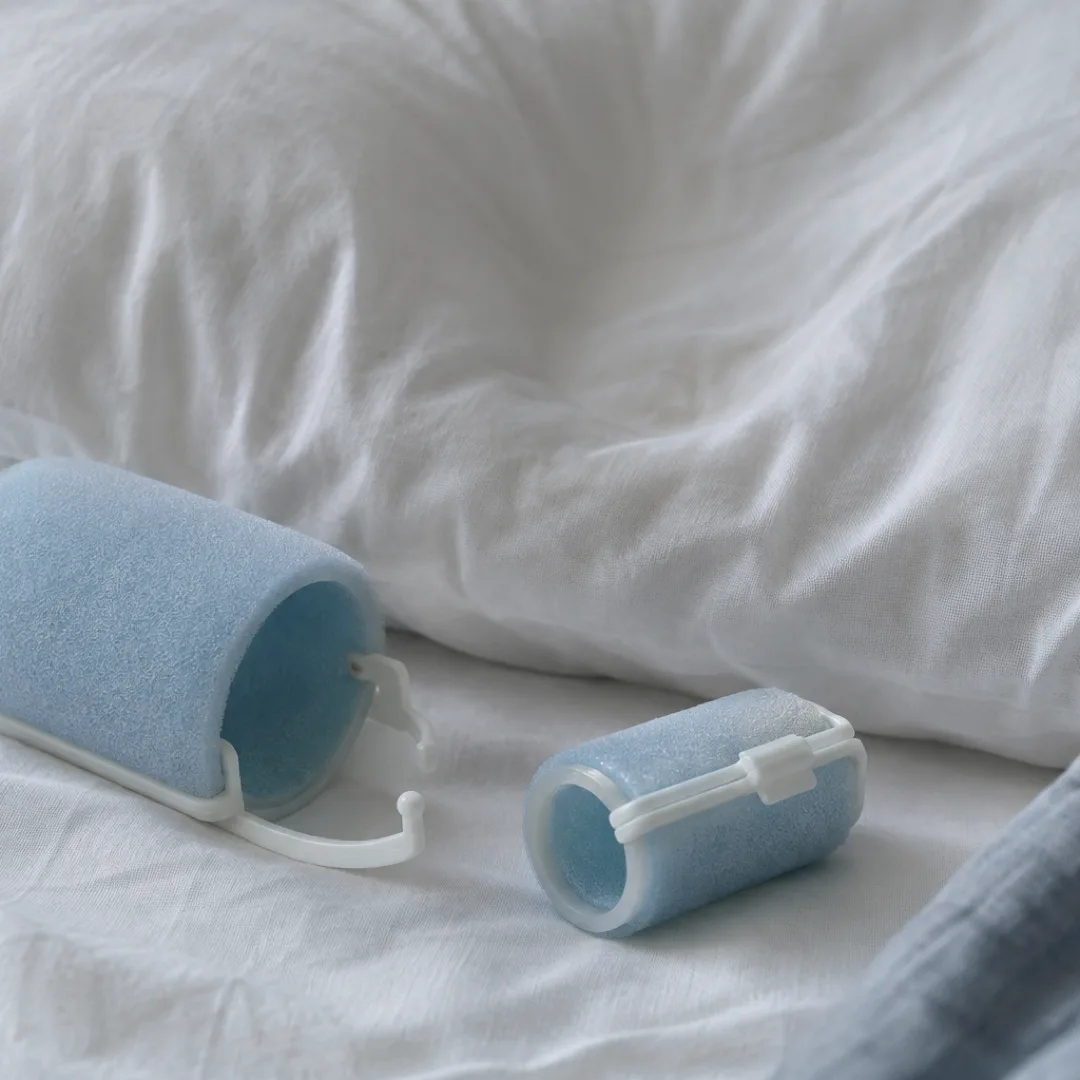
Foam rollers are soft, lightweight tubes, often with a snap-closure or a flexible core, that people wear to bed to shape hair without heat. Because they are gentle and bendable, they are a popular alternative to hot tools. They are not magic, though, and results vary from person to person depending on hair texture, length, density, and how the hair was prepared.
Sorting out why overnight foam rollers disappoint
Most complaints fall into two broad branches. In the first, the hair itself is the issue: it was too wet, too dry, too slippery, or too heavy to hold a shape. In the second, the setup is the issue: rollers that are the wrong size, placed badly, or dislodged during sleep.
There is also a third thing worth naming, which is comfort. If the rollers keep you awake or leave a sore scalp, you will likely stop using them, and no technique matters if you cannot sleep. Sleep quality is part of the routine, not an afterthought.
Guessing wrong here wastes time. Someone with damp, heavy hair who buys smaller rollers will still wake up with flat curls, and someone whose rollers slip out will not be helped by a new styling product. A quick diagnosis saves both money and mornings.
When the hair is the problem
How to tell if moisture or texture is the cause
Check these signs the morning after. If the curls feel cool or slightly damp at the center and drop within minutes, the hair was probably too wet when it went into the rollers. If the curls look fine at first but turn frizzy and puffy, the hair may have been too dry or the ends may be rough. If the shape never formed at all, the hair may be very fine and slippery, or very heavy and thick, so it resisted the wrap.
Hair type matters a great deal. Fine, straight hair often releases a curl quickly, while coarse or dense hair may need smaller sections to hold. Hair that has been chemically straightened, bleached, or heavily colored can behave unpredictably, and that is a good moment to talk with a stylist who can see your hair in person.
What usually helps once you have confirmed it
Many people find that hair that is slightly damp, rather than soaking or fully dry, tends to set best. Soaking hair takes a long time to dry and may still be wet when you wake up, which is also a comfort concern. Letting hair air-dry partway before rolling is a common approach, and a towel-dried start is another.
For slippery or fine hair, a light styling product made for setting is often used to add grip. For frizz-prone or dry hair, a lightweight leave-in product designed for your hair type is commonly used to smooth the surface. Product ingredients can irritate some scalps, so patch-testing a new product and following its label directions makes sense. If you have a known scalp condition or allergy, ask a pharmacist or dermatologist before adding something new.
The cost of guessing wrong
If you add heavy product to hair that was simply too wet, you may end up with residue and still no curl. If you dry hair completely and then roll it, you may need extra setting help for little gain. Matching the fix to the actual cause is what keeps the routine simple.
When the setup is the problem
How to tell if size, placement, or sleep position is the cause
Look at where the curls fail. If they are tight at the ends but straight at the roots, the sections may have been too large or the hair was not wrapped smoothly from tip to base. If one side looks great and the other is flat, you may have been sleeping heavily on that side, which can crush or dislodge rollers. If curls look kinked or creased in the middle, the hair was probably bent or folded when it was wrapped.
Roller diameter also changes the outcome. Larger rollers generally give looser waves and more body, while smaller ones tend to give tighter curls. Hair length plays in as well, because very long hair may become heavy on a large roller and slide down overnight.
What usually helps once you have confirmed it
Smaller, more even sections are commonly recommended so each roller holds a manageable amount of hair. Wrapping from the ends inward, keeping the hair flat and smooth against the roller, helps avoid kinks. Securing each roller with its snap or clip, according to the product instructions, keeps it from unwinding.
For sleep position, many people try a soft satin or silk pillowcase or a loose head covering to cut friction and keep rollers in place. Some also prefer sleeping on their back, though this is a matter of comfort and varies by person. Rollers with firm clips can press into the scalp, so if you notice soreness, numbness, or headaches, it is reasonable to stop and consider softer options or a shorter wear time.
The cost of guessing wrong
Buying a new set of rollers will not fix a sleep-position problem, and changing your pillowcase will not fix oversized sections. Matching the diagnosis to the fix avoids a drawer full of unused tools.
What helps in almost every case
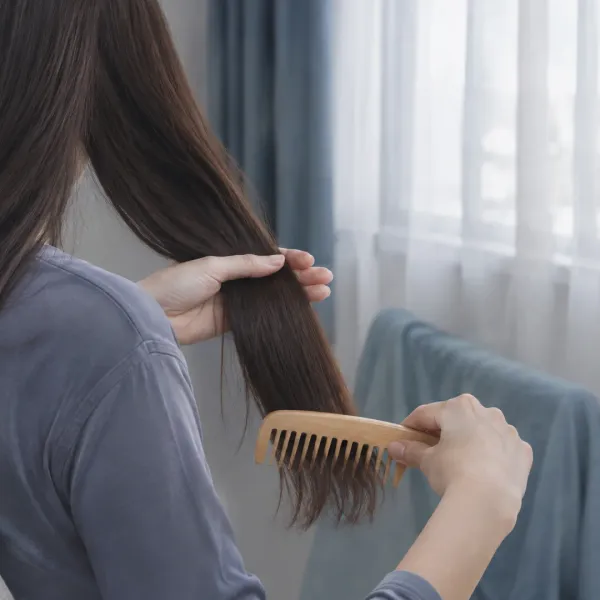
Some habits are useful no matter which branch you are on. Start with clean, detangled hair, since knots make smooth wrapping difficult and can cause breakage when you take rollers out. Work gently, because wet hair is generally more fragile than dry hair and can stretch or snap under tension.
- Gentle removal: Unwind each roller slowly rather than pulling, and avoid tugging at tangles.
- Let curls cool and settle: Many people wait a little before touching or brushing, since brushing can turn defined curls into a cloud of frizz.
- Finger-style shaping: Loosening curls with fingers or a wide-tooth tool is commonly used instead of a fine brush.
- Light finishing: A small amount of a finishing product may help control frizz, but heavy layers can weigh curls down.
It also helps to be realistic. Heatless styling usually holds best on hair that has some natural willingness to curl, and humidity can soften any style by afternoon. If you want a result that lasts through a humid day, a stylist can talk through options that fit your hair.
Comfort and hair health considerations
Sleeping in rollers is not for everyone. People with sensitive scalps, tension headaches, neck or jaw discomfort, or a history of hair loss from pulling may want to be cautious, because tight rollers can add traction to the hair and scalp. Repeated tension on the hair, such as from tight styles, may lead to breakage and, over time, to a type of hair loss in some people, so a dermatologist can help if you notice changes. If you notice thinning, tenderness, or irritation, a dermatologist is the right person to ask.
Using rollers with a snug but not tight fit, and giving your hair some rollers-free nights, is a common way people reduce strain. How often you wear them is a personal choice that depends on your hair and comfort.
Bringing it together
If your curls fail because of the hair, the usual story is moisture or texture: hair that was too wet, too dry, too fine, or too heavy. If they fail because of the setup, the usual story is section size, wrapping technique, roller diameter, or how you sleep. Either way, the most reliable approach to how to use foam rollers overnight is to identify which branch fits, change one thing at a time, and notice what happens over a few tries.
When the cause is hard to pin down, there are sensible options. You can try a shorter session on a lazy afternoon to see how the hair behaves without sleep getting in the way. You can also bring your rollers to a stylist and ask for a quick assessment of your hair type, or raise any scalp discomfort with a dermatologist or other licensed professional. Results differ between people, and patience tends to help more than adding more products.
Frequently asked questions
Is it better to roll damp hair or fully dry hair?
If your goal is a curl that holds, slightly damp hair is the more common choice, since fully soaked hair may still be wet by morning and fully dry hair may resist the shape. If your curls turn out cool and limp, the hair was likely too wet when rolled. Hair type changes this, so small adjustments over a few tries are normal.
What can I do if the rollers keep slipping out while I sleep?
If slipping is the issue, the cause is often section size, loose wrapping, or sleep position rather than the rollers themselves. Smaller sections, smooth wrapping from the ends inward, and a satin pillowcase or loose covering are commonly used to help. If the rollers still will not stay, a different style or size may suit your hair length better.
Should I stop wearing rollers to bed if my scalp feels sore?
If your scalp feels sore, numb, or tender, pausing is reasonable, because tight rollers can pull on hair and skin. Ongoing tension on the hair may contribute to breakage in some people. A dermatologist can check persistent discomfort, thinning, or irritation.
Disclaimer: This article is for informational purposes only and is not a substitute for professional medical advice, diagnosis, or treatment. Please consult a licensed professional for personal health decisions.