How to Care for Hair After a Keratin Treatment
Knowing how to care for hair after a keratin treatment starts with figuring out what is actually going wrong, because the same complaint can come from very different causes. Hair that feels stiff, flat, or frizzy a few weeks later might be reacting to product buildup, to dryness, or simply to the way the smoothing effect gradually fades. Each of those calls for a different response, and guessing wrong can waste money and leave your hair worse off. Here is a way to sort out which situation sounds like yours, plus the habits that tend to help in nearly every case.
One note before we start: salon keratin and smoothing services vary widely in formula, process, and aftercare rules. Your stylist, and the instructions that come with the specific service you received, are the best guide for your hair. This article offers general background, not personal advice.
Why the same hair problem can have different causes

After a smoothing service, people commonly report a handful of things: hair that looks dull, hair that feels coated or heavy, frizz creeping back, or strands that seem brittle. They sound similar, but they point in different directions. Dull and heavy often suggests residue. Brittle and rough often suggests dryness or stress on the hair. Frizz returning is frequently just the treatment wearing down as you wash and style over time.
Keratin-style smoothing services are generally described as coating or reshaping the outer surface of the hair so it looks smoother and behaves more predictably. Results vary from person to person, depending on hair texture, previous coloring or bleaching, and how the service was done. Hair that was already damaged beforehand may respond differently than virgin hair.
A useful first step is to think about timing and symptoms rather than reaching for a new product. Ask yourself three things:
- When did the problem start: right after the service, or gradually over several weeks?
- Does the hair feel coated and limp, or dry and straw-like?
- Is the issue worst at the roots, the mid-lengths, or the ends?
Your answers will usually point toward one of the two branches below. If they don't fit either cleanly, skip ahead to the shared habits section, then consider asking the stylist who did the work.
When the problem is buildup or heaviness
How to tell if this is your situation
Buildup tends to show up as hair that looks flat at the roots, feels slightly waxy or coated, and loses its movement. It may also look dull even though it was shiny right after the appointment. If your hair feels heavy and limp rather than rough, this branch is worth considering. Layering rich conditioners, masks, oils, and leave-in products on top of a smoothing service is a common way for this to happen.
Hard water can add to the picture. Minerals from tap water can leave a film on hair, which some people notice as dullness or a stiff feel. It is not the same for everyone, and it depends heavily on where you live.
What usually helps
If buildup is the likely cause, the usual approach is to simplify. Cutting back the number of styling and conditioning products often does more than adding a new one. Many people find that lightweight formulas suit them better than heavy, oil-rich ones after a smoothing service. Some products marketed as clarifying can be stripping, and the guidance on whether they are appropriate after a keratin service differs by brand, so it is worth checking with your stylist before trying one.
The cost of misreading this branch is real. If your hair is actually dry and you strip it further, it may feel rougher and look frizzier. If you are unsure, a gentle approach and a quick question to your stylist are safer than aggressive cleansing.
When the problem is dryness or damage
How to tell if this is your situation
Dryness looks different. Hair feels rough or straw-like, ends split or snag, and strands may break when brushed. Frizz that appears mostly at the ends, or hair that tangles more than it did before, can point here. People with hair that was bleached, heavily colored, or repeatedly heat styled before the service may be more likely to see this, though individual responses vary.
The American Academy of Dermatology Association generally notes that heat styling, chemical processing, and harsh handling can all contribute to hair damage. Smoothing services themselves often involve heat, so the combination of earlier damage and a new chemical and heat process can leave hair feeling more fragile for some people.
What usually helps
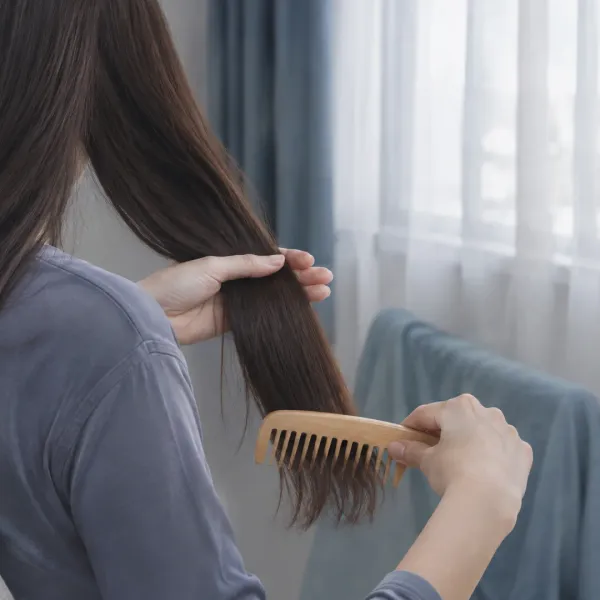
For dryness, gentler handling tends to matter most. That generally means being careful when combing wet hair, limiting heat tools where possible, and choosing moisturizing conditioners that suit your hair type. Trims can also make a visible difference, because split or worn ends rarely repair themselves, even though products can make them look smoother for a while.
Be cautious with the idea that more products equal more repair. If your hair is already fragile, piling on protein-heavy or heavily fragranced products can sometimes make things feel worse, and this differs from person to person. If breakage is noticeable, a stylist can assess the condition of your hair in person.
Habits that tend to help in either case
Whether the cause is buildup, dryness, or just the treatment fading, a few habits are widely mentioned in aftercare guidance from salons and manufacturers. Because formulas differ, the instructions you were given at your appointment take priority over anything general you read online.
Follow the aftercare window you were given
Many keratin-style services come with an initial period during which stylists ask clients to avoid certain things, such as tying hair tightly, using clips, or washing right away. The length and rules vary by product and stylist, so confirm yours directly rather than relying on a blog post. If you were not told, it is reasonable to call the salon and ask.
Check your shampoo and conditioner labels
Many salons recommend sulfate-free and gentle cleansers after a smoothing service, because strong detergents may wear the effect down faster. Evidence on exactly how much difference this makes is not something this article can quantify, and experiences differ. Reading ingredient lists and asking your stylist for compatible options is a practical step. For questions about specific product ingredients, a pharmacist or dermatologist can help if your scalp is sensitive.
Be gentle with heat
Heat from blow dryers, flat irons, and curling tools is a known source of stress on hair. Using a heat protectant and keeping tools on lower settings are commonly suggested habits. Instructions for any specific heat protectant belong on its label, so follow the product directions there.
Watch your scalp
Some smoothing products have drawn regulatory attention because of the chemicals involved. The U.S. Food and Drug Administration has published consumer information about hair smoothing products and formaldehyde-related concerns, including that some products may release formaldehyde-releasing compounds during heat styling. If you notice burning eyes, breathing difficulty, scalp irritation, blisters, or hair loss after a service, that is a reason to contact a healthcare professional rather than manage it on your own.
Sleep and styling choices
Rough friction can roughen the surface of hair over time. Many people find that a smooth pillowcase and loose, gentle styles are kind to treated hair. These are comfort and habit suggestions rather than guaranteed fixes, and benefits differ between individuals.
Who should be extra careful
Some people have good reasons to talk with a professional before, during, or after a smoothing service rather than relying on general tips:
- Anyone who is pregnant or nursing, or who has asthma or other breathing sensitivities, since some products involve fumes during application.
- People with a history of scalp conditions, allergic reactions to hair products, or very sensitive skin.
- Those whose hair is heavily bleached, very fine, or already breaking.
- Anyone who develops persistent redness, itching, burning, flaking, or noticeable shedding after a service.
A licensed stylist can speak to the product they used, and a dermatologist or other qualified clinician can evaluate scalp or skin reactions. Neither can be replaced by a general article.
Conclusion
Caring for hair after a keratin treatment comes down to matching your response to the actual cause. If hair looks flat, coated, and dull, buildup is a reasonable suspect, and simplifying products is usually more helpful than adding more. If it feels rough, brittle, or tangled, dryness or damage is more likely, and gentle handling, less heat, and trims tend to matter. If frizz is slowly returning with no other changes, that may simply be the smoothing effect wearing off, which is expected over time.
When you cannot tell which branch fits, you have sensible options: go back to the stylist who performed the service and describe your symptoms, ask what aftercare their specific product calls for, or see a dermatologist if your scalp is involved. Results vary from person to person, and the point is not perfection but giving your hair a routine that fits its condition.
Frequently asked questions
Does frizz coming back mean the treatment failed?
Not necessarily, if it returns gradually over weeks. Smoothing effects generally fade as hair is washed and styled, so some return of texture is common. If the frizz appeared suddenly or hair feels rough and brittle, the cause may be dryness or damage instead, which is worth raising with your stylist.
Can I use clarifying shampoo if my hair feels coated?
If buildup is the likely cause, a clarifying product may come up as an option, but guidance differs by brand and some formulas can be stripping. Ask the stylist who did your service whether it fits their product's aftercare rules before trying one.
When should I see a professional about my scalp after a smoothing service?
If you notice persistent burning, itching, blistering, breathing trouble, or unusual shedding, contact a healthcare professional. The FDA has published consumer information on hair smoothing products, and reactions vary widely between people, so it is better to have symptoms assessed than to guess.
Is a trim worth it if my ends feel dry after treatment?
If split or snagging ends are the main complaint, a trim is often discussed because worn ends generally do not repair themselves. Products may make them look smoother for a while, but a stylist can tell you how much to remove based on what they see.
Disclaimer: This article is for informational purposes only and is not a substitute for professional medical advice, diagnosis, or treatment. Please consult a licensed professional for personal health decisions.
Related reading: How to Care for Hair After Taking Out Braids