How to Care for Hair After Taking Out Braids
Hair that has just come out of braids often looks puffy, feels dry, and is full of tangles, and the scalp may feel tender or itchy. Knowing how to care for hair after taking out braids mostly comes down to being gentle, patient, and moisture-minded. After weeks in a protective style, shed hairs that would normally fall out day to day stay trapped in the braid, so they clump together with product buildup and form knots at the roots. It is a common and understandable frustration. Fixing it works best when the steps happen in the right order.
That order matters more than any single product. Rushing to comb through dry knots, or skipping the cleanse and going straight to styling, tends to cause the breakage people were trying to avoid by wearing braids in the first place. Below, the process is broken into what to do right now, what to do this week, and what to keep up over time, followed by signs that it is time to get a professional opinion.
Understanding what your hair and scalp are dealing with
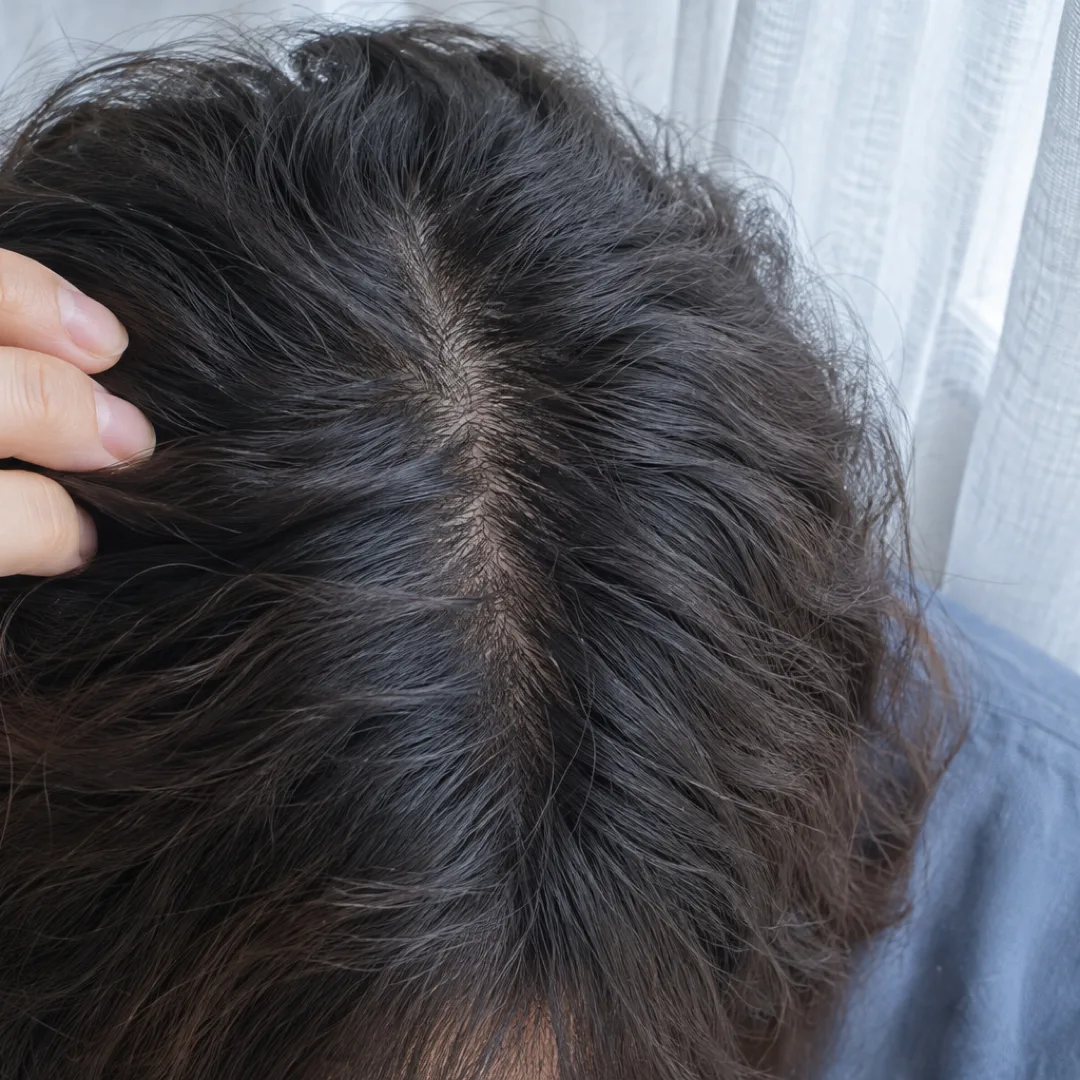
Before reaching for a comb, it helps to know what has actually changed. Braided hair is generally protected from daily manipulation, but it is not untouched. Several things tend to be present when braids come out.
- Shed hair. Everyone sheds strands daily. In braids, those strands stay put, so the loose hair at the end of a style can look like a lot. This is usually normal and not the same as sudden hair loss.
- Buildup. Oils, gels, sweat, dust, and flaking from the scalp can accumulate along the roots and parting lines.
- Dryness. Hair that was not regularly moisturized, or that sat under tight bundles, may feel brittle, especially at the ends.
- Tension on the scalp. Tight braids can leave the scalp sore, and the hairline may feel particularly sensitive.
Hairstyles that pull tightly on the hair can, over time, contribute to a type of hair loss called traction alopecia. That is one reason it is worth paying attention to how your scalp and hairline look and feel once the style is out. Individual hair texture, braid size, and how long the style stayed in all change what the aftermath looks like, so treat the steps below as general guidance rather than a fixed rule.
Step 1: Right now, as you take the braids out
The first stage happens while the braids are still coming down, and it sets the tone for everything after.
- What: Loosen the braids with a gentle, unhurried approach. How: Many people work from the ends up toward the roots, taking out one braid at a time and using fingers or a smooth, blunt tool rather than anything sharp. If extensions were used, they are usually cut or unwound carefully above natural hair, not tugged. Why: The ends are the oldest and most fragile part of the hair, and pulling or cutting too close to your own strands is a common source of avoidable breakage.
- What: Keep hair slightly damp or softened while you work. How: Some people lightly mist the section they are working on with water or a leave-in conditioner they already know their hair tolerates. Why: Dry, tangled hair is more likely to snap under tension, while hair with some slip separates more easily.
- What: Take breaks. How: Split the job across a couple of sittings if your arms, scalp, or patience are wearing thin. Why: Fatigue leads to yanking, and yanking leads to breakage and a sore scalp.
- What: Resist combing out the shed hair immediately. How: Separate the loose hair with your fingers first, working through the clumps at the base of each section. Why: Pulling a comb through a matted root area can drag healthy strands out along with the shed ones.
If something does not feel right at this stage, such as unusually painful spots, a tangled mass that will not budge, or visible scalp irritation, pausing is reasonable. A stylist who is experienced with natural and braided hair can often help with stubborn knots without damaging the hair.
Step 2: Within the first week, cleanse, detangle, and moisturize
Once the braids are out, the priority shifts from removal to restoration. This is where most of the real work happens, and it tends to be a bit of a project, so it helps to set aside a stretch of time.
Cleanse the scalp and hair
- What: A thorough wash. How: Many people prefer to detangle gently first, then wash, since water can tighten knots in some hair types. Others pre-treat with a conditioner or oil, then shampoo. Either approach is common, and the better fit depends on your texture. Why: Buildup and loosened dead skin sit on the scalp after weeks of wear, and a good cleanse helps the hair and scalp feel fresh and ready for conditioning.
- What: Use the pads of your fingers on the scalp. How: Massage gently rather than scratching with nails. Why: A tender scalp can be easily irritated, and scratching can cause small breaks in the skin.
Condition and detangle with care
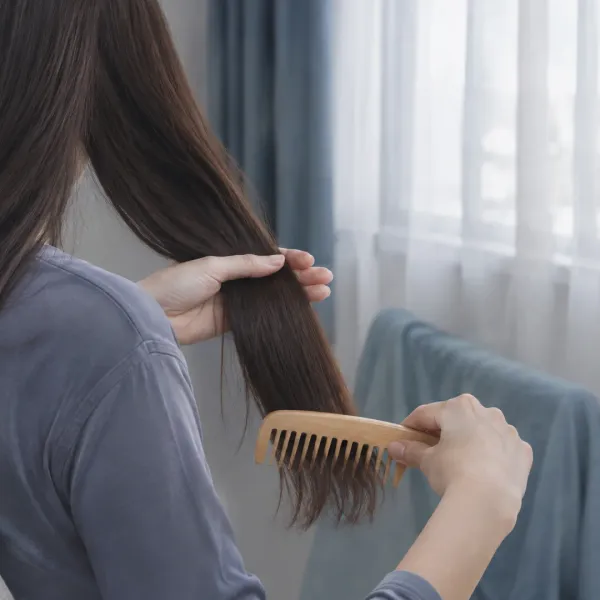
- What: Condition generously before detangling. How: A rinse-out conditioner or a deep conditioner is commonly worked through small sections, then a wide-tooth comb or fingers are used from ends to roots. Why: Moisture gives hair some slip, which reduces the force needed to separate strands.
- What: Work in small sections. How: Clip up the sections you are not working on. Why: Smaller sections keep tangles from re-forming and make it easier to see where knots are hiding.
If you are unsure about a particular shampoo, conditioner, or treatment, especially if you have a scalp condition or a history of reactions, it is sensible to ask a pharmacist or a clinician before using it. The right product depends on your hair type, your scalp, and any medicated products you may already be using, and reactions vary from person to person.
Related reading: How to Choose Hair Ties That Reduce Breakage
Seal in moisture
After washing and conditioning, many people follow with a leave-in conditioner and a light oil or butter to help hair hold on to moisture. The idea is to hydrate first and then seal, rather than relying on oil alone, since oil by itself does not add water to the hair. Heavier products can weigh down fine hair, while coily or very dry hair often tolerates richer ones. This is a matter of trial, and your own hair will tell you what feels right.
Step 3: Over the following weeks, build a steady routine
The first wash is not the end of the process. Hair that spent a long time in a protective style often needs gentle, consistent attention afterward, and a few habits tend to make the difference.
- What: Give your hair a break before the next style. How: Many people leave their hair in a loose, low-manipulation state for a period, such as a loose twist-out or a simple bun, rather than going straight into another tight style. Why: Hair and scalp, especially around the hairline, usually benefit from time without tension.
- What: Trim damaged ends. How: If ends look thin, split, or frayed, having them trimmed by a stylist is a common step. Why: Split ends can travel up the hair shaft, and removing them can keep hair looking and feeling healthier.
- What: Keep up regular moisture. How: Many routines include periodic conditioning treatments and a leave-in product between washes. Why: Dry hair is more fragile, and steady moisture supports flexibility and reduces snapping.
- What: Protect hair at night. How: A satin or silk bonnet, scarf, or pillowcase is widely used. Why: Smoother fabrics create less friction than cotton, which can pull moisture from hair and rough up the surface.
- What: Be patient with the scalp. How: Notice whether tenderness, itching, or flaking fades over several days. Why: Mild soreness after tight styling often settles, while persistent symptoms deserve closer attention.
It often helps to avoid hairstyles that pull tightly and to give your hair time to rest between styles. If you plan to braid again, many people choose looser, lighter styles and ask their braider for less tension at the hairline. It is a reasonable request, and a good braider will take it seriously.
A note on shedding and what counts as normal
Seeing a large tangle of hair in your hands can feel alarming. In most cases, the loose strands are hairs that would have shed gradually over the time the style was in. Still, shed hair is different from thinning, breakage along the length, or bare patches. If you are only seeing the accumulated shed hair and your scalp still looks evenly covered, that is generally what people expect. If the pattern looks different, it is worth taking a closer look.
When the steps are not helping
Home care has limits. Hair that stays dry, tangled, or fragile despite a few weeks of gentle routines may be dealing with something other than simple post-braid dryness, and a scalp that stays sore or irritated deserves attention rather than waiting it out.
Consider reaching out to a dermatologist, or a primary care clinician who can refer you, if you notice any of the following:
- Bald or thinning patches, especially along the hairline, temples, or where braids were tightest.
- Persistent redness, swelling, bumps, pus, or open sores on the scalp.
- Ongoing pain, burning, or itching that does not ease after the style has been out for some time.
- Heavy flaking or scaling that does not respond to gentle cleansing.
- Hair that breaks easily across much of the head even after trimming and consistent moisture.
- Hair loss that seems to be getting worse rather than stabilizing.
Having hair loss looked at early is often helpful, since some forms may become harder to reverse the longer tension or inflammation continues, and a dermatologist can tell you what fits your situation. A professional can look at your scalp directly, ask about your products and styling history, and suggest options that fit your situation. Any prescription or medicated product, whether a shampoo, a topical, or something else, should be used as directed by the clinician or pharmacist who recommended it, not guessed at from an article.
In short, how to care for hair after taking out braids comes down to a slow, gentle sequence: remove the style carefully, cleanse and condition before detangling, keep moisture steady, give the hair and scalp a rest, and get a professional opinion when something does not settle. Results differ between people, so it is fine to adjust the routine to what your own hair responds to.
Frequently asked questions
Should I detangle before or after washing hair that has just come out of braids?
If your hair knots tightly when wet, you may prefer to separate the larger tangles with your fingers first and then wash, since water can tighten some knots. If your hair has more slip when it is saturated with conditioner, detangling after washing in small sections may feel easier. Both approaches are common, and the better choice depends on your texture.
Is a lot of loose hair at the end of a braided style a sign of hair loss?
If the loose hair is mostly strands that built up over the time the braids were in, it is usually shed hair that was trapped rather than new loss. If you also see thinning, bald spots, or breakage along the length of the hair, that is a different pattern and worth discussing with a dermatologist or other clinician.
How soon can I put my hair back into braids?
If your scalp feels tender, your hairline looks stressed, or your hair feels dry and fragile, giving it a rest in a loose, low-tension state is generally considered a gentler choice. How long a break makes sense varies by person, so a stylist or dermatologist can help you decide based on how your hair and scalp look.
Does a sore scalp after braids mean something is wrong?
If the tenderness fades gradually after the braids are out, it often reflects the tension the style placed on the scalp. If you notice persistent pain, swelling, pus, or sores, it is reasonable to have a clinician take a look rather than waiting.
Disclaimer: This article is for informational purposes only and is not a substitute for professional medical advice, diagnosis, or treatment. Please consult a licensed professional for personal health decisions.