How to Care for Hair After Swimming: Mistakes to Fix
Climbing out of the pool and leaving your hair to air-dry with the chlorine still in it is one of the most common post-swim habits, and it is also one of the least helpful. Pool and sea water can leave hair feeling rough, dry, and tangled, and letting it sit that way gives those effects more time to build. A better approach to how to care for hair after swimming starts with a quick rinse, gentle handling, and a routine that fits your hair type. Results vary from person to person, so treat everything here as general information rather than a promise.
Hair that spends time in chlorinated or salty water often behaves differently afterward. Some people notice dryness, frizz, or a straw-like feel. Others, especially those with lighter or chemically treated hair, may see dullness or a change in tone. The sections below walk through the usual missteps, why they backfire, and what to do instead.
Common mistakes after a swim
Mistake one: skipping the rinse and going straight to a towel
It is tempting to wrap your hair up and head home. The trouble is that pool chemicals, salt, and sunscreen residue stay on the strands while they dry. Over time, that residue can make hair feel coarse and look dull.
A simple alternative is to rinse your hair with fresh water as soon as you can, ideally right after leaving the water. Many pools and beaches have showers for exactly this reason. Even a quick rinse can remove a good share of what the water left behind.
Mistake two: scrubbing hard with a towel
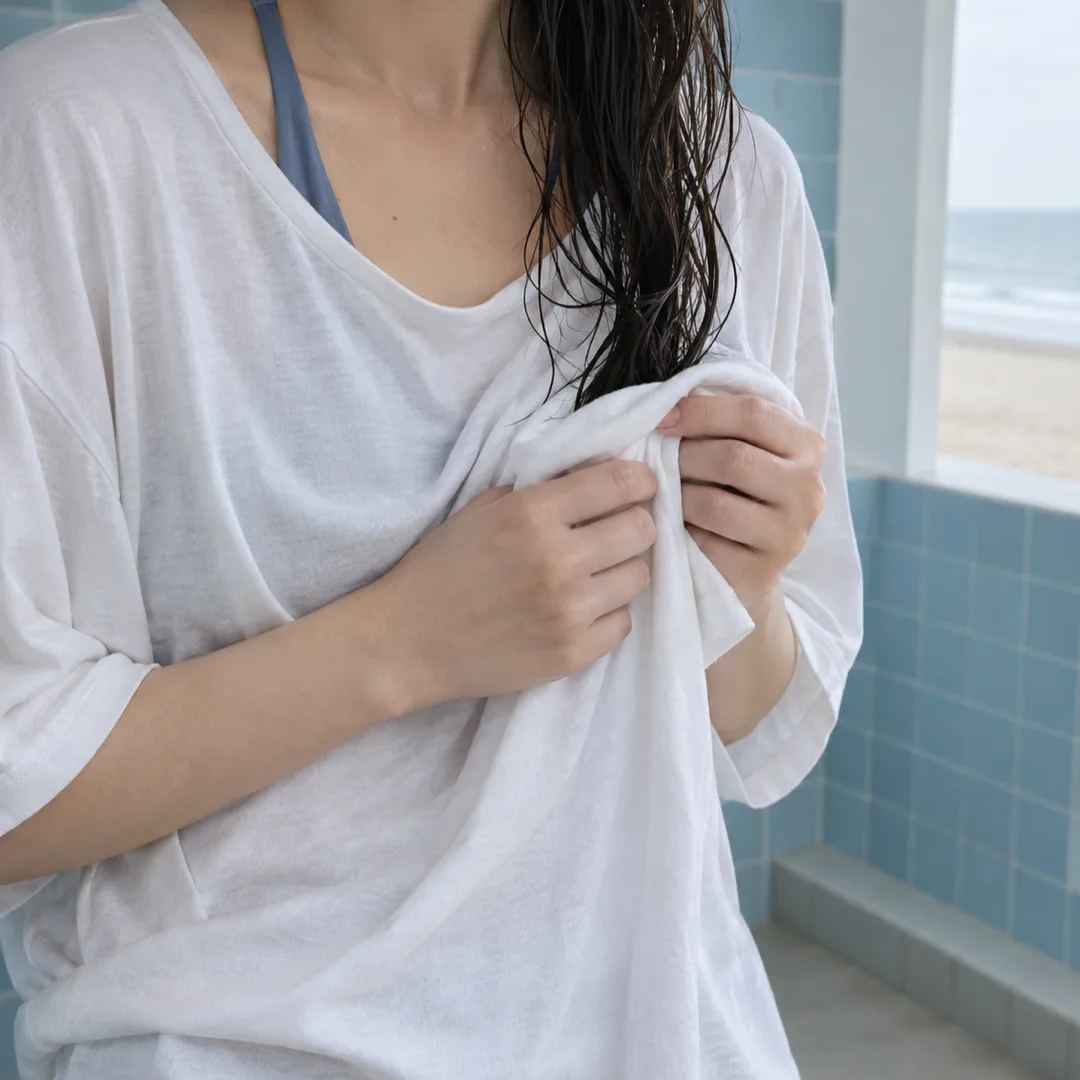
Wet hair is more fragile than dry hair, and rough rubbing can cause friction, tangles, and breakage. A rough terry towel can add to the problem, especially on long, fine, or curly hair.
Instead, press and squeeze the water out gently. Many people find that a soft microfiber towel or an old cotton t-shirt is kinder to the hair surface than a standard bath towel.
Mistake three: brushing tangles out from the roots
Swimming often leaves knots, and yanking a brush through wet hair from the scalp downward tends to snap strands. This is a very common source of avoidable damage.
Work from the ends upward with a wide-tooth comb, a little at a time. Using a detangling product made for your hair type may make this easier, and the product label will explain how that particular item is meant to be used.
Mistake four: washing with a harsh shampoo every single time
After a swim, it feels logical to scrub away everything with a strong cleansing shampoo. But very strong cleansers can strip natural oils, which swimming has already been pulling away. That can leave hair feeling even drier.
A gentler option is a mild shampoo, or a product marketed as a swim or clarifying shampoo for occasional use. How often you use a clarifying product depends on the product and your hair, so follow the label and adjust based on how your hair feels.
Mistake five: blasting wet hair with high heat
Quick drying with a very hot tool can seem efficient after a swim, but dry, water-stressed hair does not always tolerate extra heat well. Heat on top of chlorine or salt exposure may add to dryness and brittleness.
Letting hair air-dry when you can is generally gentler. If you do use a dryer, a lower heat setting and a heat protectant product may help limit stress on the strands.
What to do instead
Wet hair before you get in
This step surprises many people. Hair that is already saturated with clean water tends to absorb less pool or sea water, because the strands are already full. Rinsing hair with fresh water before swimming is a commonly shared habit among regular swimmers.
Some people also use a light leave-in conditioner or a small amount of conditioner beforehand to add a protective layer. How much to use and whether it suits your hair depends on the product, so check the directions on the label.
Rinse soon, then cleanse gently
A fresh-water rinse right after swimming is the most useful first step for most people. Following it with a mild shampoo can help remove lingering residue, especially if you swim often or spend long periods in the water.
Focus cleansing on the scalp and let the suds run down the lengths rather than scrubbing the ends. Ends are the oldest and driest part of the hair, so they usually benefit from being handled lightly.
Condition, then protect
Conditioner helps smooth the hair surface and restore softness after exposure. A deeper conditioning mask is something some people add occasionally, particularly during a stretch of frequent swimming. Product directions will explain timing and amounts, and a pharmacist or hair care professional can help if you are unsure what suits you.
After that, a leave-in product or light oil may help reduce frizz as hair dries. Fine hair may feel weighed down by heavy products, so lighter textures are often a better match.
Protect your scalp too
Hair is not the only thing affected. The scalp can feel dry, itchy, or tight after repeated exposure to pool chemicals or salt. According to the American Academy of Dermatology general guidance, gentle cleansing and avoiding harsh scrubbing are common recommendations for irritated or sensitive skin.
If your scalp stays itchy, red, or flaky despite gentler habits, that is a sign to speak with a licensed professional rather than keep experimenting with products.
Related reading: Dry Shampoo Basics: What It Is and How It Works
Adjusting for your situation
Chlorinated pools versus salt water
Pool water usually contains chemicals added to keep it clean, and these can leave hair feeling dry and rough. Sea water leaves salt behind, which can make hair stiff, tangled, and dehydrated as it dries. Both benefit from a fresh-water rinse, but salt often calls for extra attention to moisture and detangling.
If you swim in both settings, you may find your hair responds differently to each. Paying attention to how it feels afterward is a practical way to fine-tune your routine.
Color-treated or chemically processed hair
Dyed, bleached, or chemically straightened hair is often more porous, meaning it takes in and loses moisture more easily. Chlorine and sun exposure may affect color, and some people notice faster fading or a change in tone. Hair that has been lightened can be especially sensitive.
A rinse before swimming, a gentle cleanse afterward, and a color-safe conditioning product are common steps. For concerns about green or brassy tones, a stylist can explain what might be happening and what options exist.
Curly, coily, and textured hair
Curly and coily hair tends to be drier by nature, since scalp oils travel down the strands less easily. That can make post-swim dryness and tangling more noticeable. Protective styles, such as loose braids or twists, are often used before swimming to limit tangling.
Gentle detangling while the hair is wet and conditioned is commonly used, and many people with textured hair prefer to avoid harsh cleansing on every wash. Your own curl pattern and routine will shape what works best.
Fine, straight, or oily hair
Fine hair can look limp if weighed down by rich products, while oily scalps may need regular cleansing to feel fresh. In this case, lighter conditioners applied mostly to the mid-lengths and ends are a common approach. Since needs differ, small adjustments over time usually work better than a big overhaul.
Frequent swimmers and children
People who swim several times a week may find that cumulative exposure shows up more clearly. Swim caps are a commonly used option to limit contact with water, though they do not fully block it. Children's hair can also get dry and tangled, and a gentle routine with kid-friendly products is a reasonable starting point.
When to get professional input
Persistent scalp irritation, noticeable hair loss, severe breakage, or skin reactions that do not settle down are worth discussing with a licensed professional. A dermatologist can look at scalp symptoms, while a stylist can help with cosmetic concerns like color changes or texture. Ask a pharmacist or doctor before using any medicated shampoo or treatment.
Frequently asked questions
Do I really need to wash my hair every time I swim?
Not necessarily with shampoo, but a fresh-water rinse is generally a good idea each time. Whether you cleanse fully depends on how often you swim, how your hair feels, and your hair type. Many people alternate between a simple rinse and a gentle shampoo wash.
Is a swim cap enough to protect my hair completely?
A swim cap can reduce contact with water, but it usually does not keep hair entirely dry. Water can still seep in around the edges, depending on the fit and style. It can be a helpful extra layer alongside rinsing and gentle care rather than a replacement for them.
Can home remedies like vinegar or baking soda fix chlorine buildup?
Some people try them, but there is limited reliable guidance on how they affect hair, and reactions vary. Harsh or acidic mixtures may irritate the scalp or leave strands drier. A gentle clarifying shampoo made for the purpose, or advice from a stylist, is usually a more predictable route.
Taking care of your hair after a swim comes down to a few steady habits: rinse soon, handle wet hair gently, cleanse with a mild product, and condition. Adjust the details for your hair type and how often you swim, and talk with a licensed professional if scalp or hair problems persist.
Disclaimer: This article is for informational purposes only and is not a substitute for professional medical advice, diagnosis, or treatment. Please consult a licensed professional for personal health decisions.