How to Protect Hair From the Sun: Fix These Mistakes
Many people reach for a hair oil on a beach day and assume it works like sunscreen for their strands. It usually does not, and that is one of the most common reasons hair ends up dry, faded, and rough after a summer outdoors. If you want to know how to protect hair from the sun, the short answer is that physical coverage, thoughtful product choices, and gentler habits matter more than any single bottle. Results vary from person to person, and hair type, color treatment history, and time outdoors all play a role.
Hair is not living tissue once it leaves the scalp, so it cannot repair itself the way skin can. That is why prevention tends to be the more realistic goal. The sections below walk through the mistakes people make most often, explain why each one backfires, and offer a more workable alternative.
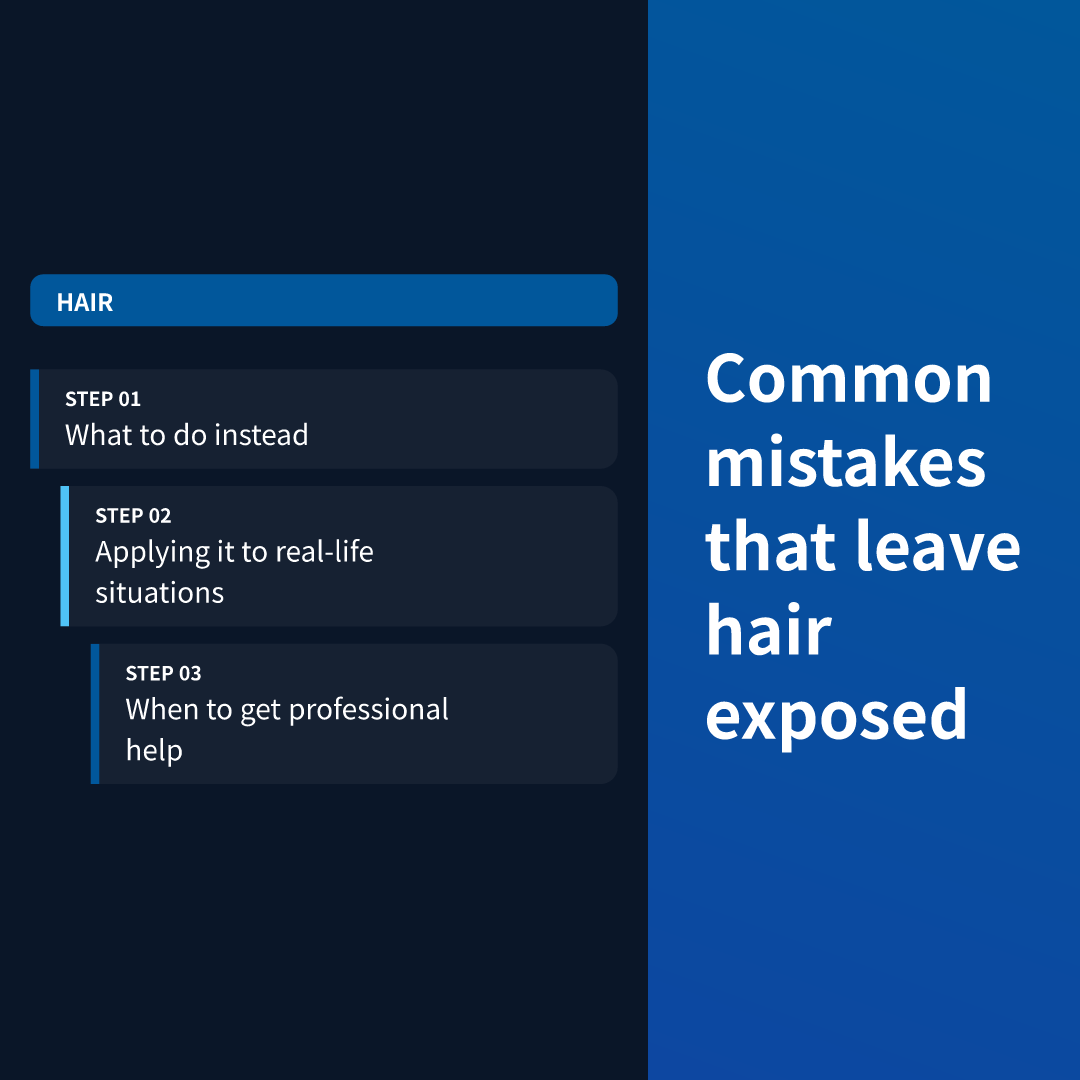
Common mistakes that leave hair exposed
Mistake one: treating a shiny oil as sun protection
Plenty of glossy hair oils feel protective because they coat the strands and add shine. But feeling smooth is not the same as being shielded from ultraviolet light. Unless a product's label makes a specific UV-related statement, it is reasonable to assume it is a styling or conditioning product, not a barrier.
The better move is to treat oils and creams as a supporting layer for softness, and to rely on physical coverage for the real exposure. If a label does mention UV filters, remember that these claims differ widely between brands, and coverage on hair is rarely as even as on skin. Reading the label carefully, and asking a pharmacist or a stylist if you are unsure, is a sensible habit.
Mistake two: forgetting the scalp and part line
People often focus on the lengths of their hair and forget the scalp. The part line, and areas where hair is thin, can be exposed to a lot of sun. The American Academy of Dermatology has general guidance noting that sun protection applies to the scalp as well, and that sunburn there is possible.
A practical fix is to change where you part your hair on sunny days, since shifting the part can reduce direct exposure on the same strip of skin. A hat covers the area more reliably. If you notice persistent redness, tenderness, or changes on your scalp, that is a good reason to check in with a dermatologist rather than guess.
Mistake three: going straight from the pool or ocean into the sun
Chlorinated or salty water can leave hair rougher and more porous, which may make it feel drier under strong sun. Letting hair air-dry in direct sunlight after a swim stacks both stresses together. Many people notice that hair feels straw-like after a long beach day, though how much it changes depends on hair texture and condition.
A gentler approach is to rinse hair with fresh water after swimming when possible and to keep it covered while it dries. Some people wet their hair with fresh water before getting into a pool, since damp strands may absorb less pool water, although experiences differ. A cover-up keeps the combination of water and strong light from doing extra work.
Mistake four: ignoring color-treated and chemically processed hair
Bleached, highlighted, or chemically straightened hair often reacts differently to sun than untreated hair. Lightened strands can look more brassy or dull outdoors, and processed hair tends to feel drier. This does not happen to everyone in the same way, and it depends on the products and techniques used.
If your hair has been colored or treated, it makes sense to be more consistent with coverage and to ask your stylist what aftercare suits your particular color service. Stylists can often suggest gentler routines, though recommendations will differ by salon and hair history.
Mistake five: washing too often or too harshly afterward
After a day outdoors, some people scrub their hair with strong cleansers to get rid of sweat, sunscreen residue, and salt. Strong cleansing can strip natural oils and leave hair feeling even drier. The effect depends on hair type, and people with very oily scalps may feel they need to wash more frequently.
A softer path is to choose a mild shampoo and focus on the scalp rather than the lengths, then follow with a conditioner on the ends. If your scalp is sensitive or itchy after sun exposure, a pharmacist or dermatologist can help you sort out which products might suit you.
What to do instead
Use coverage as your first layer
Physical coverage is the most reliable approach because it blocks light instead of trying to manage the effects afterward. A wide-brimmed hat, a scarf, a cap, or a loose head wrap can all reduce the amount of light reaching both hair and scalp. Tightly woven fabrics generally block more than very thin or open-knit ones.
Hats can cause friction and sweat, so many people prefer breathable materials such as cotton or linen blends. If you worry about hat hair or flattened styles, a loose braid or low bun under a hat can reduce rubbing. It is a small tradeoff that tends to be worth it on long, bright days.
Add shade and timing to your routine
The Centers for Disease Control and Prevention notes in its general sun safety guidance that seeking shade is one of the core ways to limit exposure, especially during the middle of the day. That advice is aimed at skin, but it logically extends to hair and scalp as well. Planning outdoor time for earlier or later in the day can reduce exposure without changing much else.
If you cannot avoid midday sun, an umbrella or a shaded spot for breaks gives hair a rest. It sounds simple, but many people overlook it because they only think about products.
Choose products as a supporting layer
Leave-in conditioners, light creams, and hair masks are commonly used to help hair feel softer and more manageable. Some products also contain UV filters, though the level of protection and how well it applies to hair is uncertain, and claims differ among brands. Treat these products as a possible extra rather than a replacement for a hat.
For scalp skin, sunscreen products designed for the face or body are sometimes used along the part line, but this is a topic to discuss with a pharmacist or dermatologist, especially if you have sensitive skin or a scalp condition. Directions on the product label are the best guide for how any individual product is meant to be used.
Related reading: Simple Scalp Care Routine Basics for Morning, Day, and Night
Support hair condition from the inside out
Hair condition is influenced by general factors like nutrition, heat styling habits, and chemical processing. Limiting heat tools during sunny weeks may reduce the combined stress on strands. If you are thinking about supplements for hair, it is wise to speak with a pharmacist or doctor first, because needs and interactions vary and the evidence for many hair supplements is mixed.
Applying it to real-life situations
Beach and pool days
Water, wind, and reflective sand can all intensify the feeling of dryness. A wide-brim hat or a scarf is the simplest approach, paired with a fresh-water rinse afterward when possible. Many people also keep a small spray bottle of fresh water on hand to refresh hair between swims.
Hiking and long outdoor walks
On trails, sweat and friction from a backpack or hat can mean hair gets tangled and dry. A breathable cap with a neck flap or a lightweight buff can protect the scalp and nape. A loose braid often holds up better than loose, flyaway hair, though comfort is personal.
Everyday commutes and desk-adjacent errands
Short bursts of sun add up, but they are usually less intense than a day at the beach. Sunglasses, a small brim, or parting hair differently can be enough for many people. Keeping a light scarf in your bag is an easy habit that does not take much planning.
Curly, coily, or textured hair
Textured hair is often naturally drier because scalp oils travel less easily down the strand, so it may feel the effects of sun more quickly. Protective styles, satin-lined hats, and moisture-focused routines are commonly used by people with curls and coils, though what works varies by texture and personal preference. A stylist who specializes in your hair type can offer tailored ideas.
Fine, thin, or thinning hair
Thin hair offers less natural coverage for the scalp, which means the skin underneath can be more exposed. Hats and scalp-specific sun protection become more relevant here. If you notice a sensitive or sore scalp, or changes in thinning, it is a reasonable moment to speak with a dermatologist.
Color-treated or bleached hair
Lightened or colored hair may feel more fragile in summer, and color can appear to shift over time with sun. Consistent coverage, gentler washing habits, and conversations with your colorist can all help you plan. Because every color service is different, it is best to ask your own stylist about aftercare.
When to get professional help
Some signs are worth a professional look rather than a home fix. These include a scalp that stays red, painful, or blistered after sun exposure, sudden or patchy hair loss, persistent itching or flaking, and any new or changing spot on the scalp. A dermatologist can evaluate these, while a stylist can help with cosmetic concerns like dryness, color shifts, and breakage.
The American Academy of Dermatology encourages people to watch for skin changes and seek care when something looks unusual. Because the scalp is hard to see, asking a partner, stylist, or barber to look at it now and then can be useful.
Frequently asked questions
Can I just use regular sunscreen on my hair?
Regular sunscreen is made for skin, not for hair, so it is not the usual way to protect strands. Some people use it along the part or on exposed scalp areas, but sensitivity and product suitability differ, so it helps to ask a pharmacist or dermatologist first. A hat or scarf is generally a simpler way to cover both hair and scalp.
If hair is already dry from the sun, is it too late to do anything?
It is not too late to improve how hair feels and looks, though damaged strands do not truly repair themselves. Gentle cleansing, conditioning, fewer heat tools, and trims to remove rough ends are commonly used to make hair more manageable. Results differ, and a stylist can help you decide what suits your hair.
Does dark hair need less protection than light or color-treated hair?
Darker hair is not exempt from dryness, and the scalp underneath still needs coverage regardless of hair color. Lighter, bleached, or color-treated hair may show changes more visibly or feel more fragile, but everyone benefits from some form of protection on bright days. Individual hair history matters more than color alone.
Protecting your hair from the sun comes down to a few steady habits: cover up, seek shade, treat products as support rather than a shield, and be gentle with washing and heat. There is no single trick that suits every head of hair, so it helps to adjust based on your texture, color history, and how much time you spend outside.
Disclaimer: This article is for informational purposes only and is not a substitute for professional medical advice, diagnosis, or treatment. Please consult a licensed professional for personal health decisions.