How to Detangle Hair Without Breaking It: A Daily Routine
Learning how to detangle hair without breaking it works best when it isn't a big project, but a few small habits tucked into the morning, the middle of the day, and the evening. Most breakage tends to happen when hair is rushed, dry, or pulled hard against a knot. Spreading gentle care across the day gives knots fewer chances to form and makes the ones that do appear easier to loosen.
This guide is written from an information-editor perspective, not a clinical one. It explains common habits, why timing matters, and where the limits are. Hair type, texture, length, and condition vary a lot, so treat everything here as a starting point you can adjust.
Why Hair Tangles and Breaks in the First Place

Tangles form when hair strands snag on each other. Rough cuticles, dryness, friction from clothing or pillowcases, wind, and long lengths all make snagging more likely. Curly, coily, and wavy textures often tangle more easily because the strands curve and catch on neighbors, though straight hair can knot too, especially when it is fine or damaged.
Breakage happens when a strand is stretched past what it can handle. Wet hair is generally more fragile than dry hair, which is one reason brushing technique matters so much after washing. According to the American Academy of Dermatology's general hair care guidance, being gentle with hair, especially when it is wet, is a common recommendation for limiting damage.
It also helps to separate ordinary breakage from something more persistent. If you notice sudden shedding, bald patches, or a scalp that is painful or inflamed, that is outside the scope of a detangling routine and worth raising with a dermatologist or other qualified professional.
Morning: Start Gently Before the Day Adds Friction
Morning is when hair has spent hours rubbing against a pillow, so it is often at its most knotted. The goal here is not a perfect style, just a calm reset that keeps small tangles from becoming big ones.
Loosen with fingers before any tool
Starting with clean, dry fingers lets you feel where the knots actually are. Many people find that working from the ends upward, a small section at a time, avoids dragging a knot down the whole length of the strand. This matters now because hair is dry and you can sense resistance before it turns into a snap.
Choose the tool that suits your texture
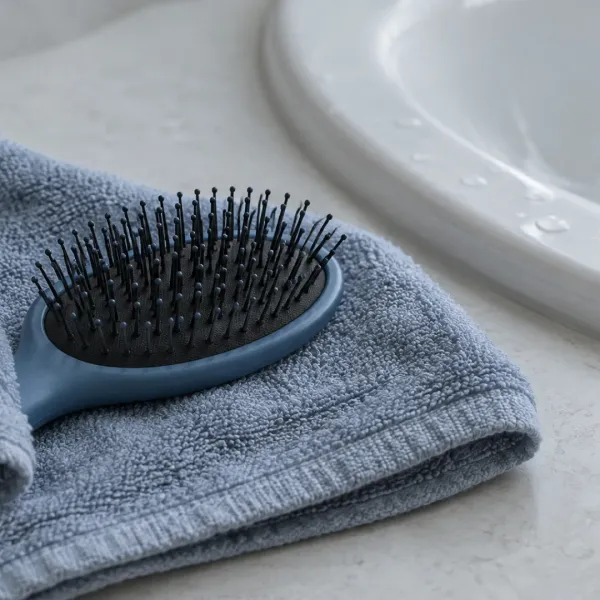
A wide-tooth comb or a flexible detangling brush is commonly used for knotted hair, since the spacing lets strands pass through with less tugging. Fine-toothed combs and stiff bristle brushes can catch more, though preferences differ by hair type. If a tool keeps snagging, that is useful feedback to switch rather than pull harder.
Some people lightly dampen hair or use a leave-in product to add slip before combing. Whether a product helps depends on your hair and scalp, and reactions vary from person to person. If you have a sensitive scalp or a known allergy, check the ingredient list and ask a pharmacist or dermatologist before trying something new.
Protect the style you choose for the day
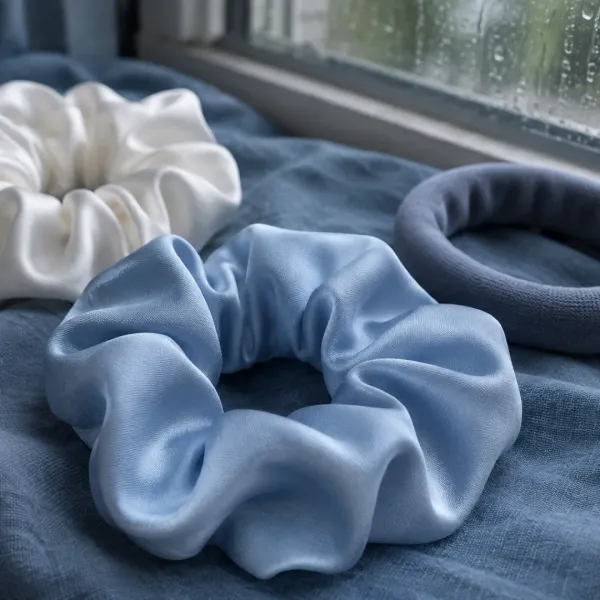
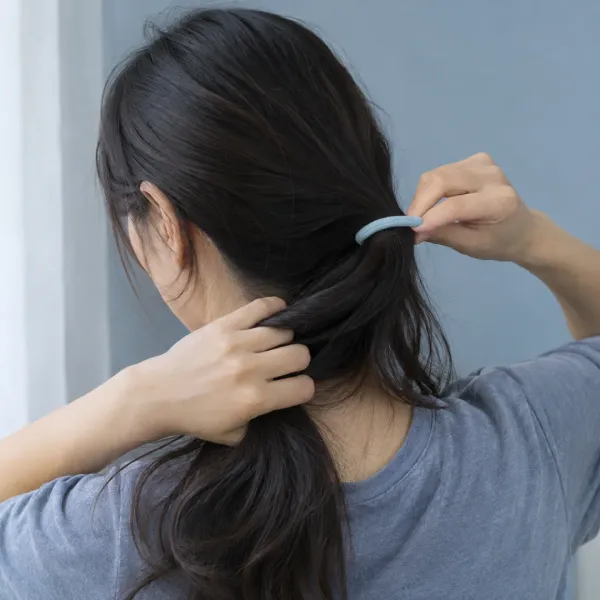
Loose braids, a soft twist, or a loosely tied low ponytail can reduce how much the lengths rub together. Tight styles pulling on the roots are a different concern, since constant tension may stress the hair and scalp over time. A snag-free elastic or a fabric tie is often used in place of thin rubber bands.
Midday: Small Check-Ins While Life Is Happening
The middle of the day is when wind, scarves, backpack straps, and collars do their quiet work. You do not need a full routine here. A few quick habits are usually enough.
Do a quick finger pass at natural breaks
When you take a break, a brief pass through the ends with your fingers can catch a young tangle while it is still loose. Small knots are much easier to ease apart than ones that have had hours to tighten. This timing works because a fresh tangle has not yet been compressed by movement and friction.
Limit what rubs against your hair
Rough scarves, coarse hoods, and stiff collars can create friction at the back of the neck, where many knots begin. Swapping to smoother fabrics or tucking hair into a loose style is a low-effort adjustment. If you wear a helmet or hat for long stretches, loosening the style underneath may help reduce pulling.
Resist the urge to yank
When you hit a stubborn knot in a hurry, stopping and coming back later is often kinder to the strand than forcing it. Hair that is rushed through a knot tends to stretch and snap. If time is tight, a loose style that hides the tangle until evening is a reasonable compromise.
Evening: The Main Detangling Window
Evening is usually the best moment for a slower, more thorough session, because you are not racing out the door and hair has collected the day's tangles. It also sets hair up for a calmer night.
Work in sections, ends first
Dividing hair into a few sections keeps the rest out of the way and lets you focus on one area. Starting at the ends and moving gradually toward the roots is a widely used approach, because it prevents a knot from being pulled tighter by the comb. Taking your time here is the whole point of this window.
Think about wet versus dry detangling
Some people detangle in the shower with conditioner in the hair, since the added slip can make combing smoother. Others prefer to detangle dry before washing, so knots are loosened before water makes strands more fragile. Neither approach is universally better, and the right choice often depends on texture. Curly and coily hair is often handled differently from straight hair, so it can be worth experimenting carefully.
Conditioner and similar products are cosmetic. They may make hair feel softer and easier to comb, but they cannot repair a damaged strand. Results vary, and a product that suits one person may weigh down or irritate another.
Set up hair for the night
A loose braid, a gentle twist, or a soft bun can limit how much hair moves around while you sleep. A smoother pillowcase surface, such as satin or silk, is commonly suggested to reduce friction, though the benefit varies and evidence for it is limited. Avoid going to bed with tight elastics, which can pull on strands.
Related reading: Kids Hair Washing Basics for Everyday Care
What to Do With a Knot That Will Not Budge
Occasionally a knot is too tight to loosen at home. Stopping early is better than cutting through hair you wanted to keep, or pulling until strands snap. Gently easing apart a knot with your fingertips, a little at a time, is generally preferred over forcing a comb through it.
For severe matting, especially close to the scalp, a hairstylist is usually the better person to ask. Matting that comes with pain, redness, sores, or an unusual smell on the scalp is worth bringing to a qualified health professional instead of managing alone.
Weekly Check-In: What to Review
Once a week, take a few minutes to step back and see how your habits are working. Small adjustments often matter more than big changes, and hair responds gradually rather than overnight.
- Tools: Check your comb and brush for rough edges, broken teeth, or built-up residue that could snag hair.
- Breakage pattern: Notice where hair tends to snap, such as the nape, the ends, or around the hairline, and think about what rubs there.
- Timing: Review whether you are detangling mostly when hair is dry, damp, or wet, and whether that feels gentle for your texture.
- Products: Consider whether any product leaves hair sticky, coated, or irritated, and pause anything that bothers your scalp.
- Styles: Look at which styles pulled at your roots or created tangles, and rotate them out if needed.
- Bedtime setup: Check whether your night routine, including pillowcase and hair tie, is cutting down on morning knots.
- Scalp and shedding: Note any itching, pain, sudden shedding, or bald patches, and raise these with a dermatologist rather than trying to solve them with a detangling routine.
The aim of how to detangle hair without breaking it is steady, patient handling across the day, not a perfect system. Adjust for your texture, stop if something hurts, and lean on a qualified professional when the problem goes beyond ordinary tangles.
Disclaimer: This article is for informational purposes only and is not a substitute for professional medical advice, diagnosis, or treatment. Please consult a licensed professional for personal health decisions.