How to Keep Bangs From Getting Oily: A Daily Routine
The simplest way to keep bangs from getting oily is to spread a few small habits across three points in your day: morning, midday, and evening. Bangs sit right against your forehead, so they pick up skin oil, product residue, and the touch of your hands faster than the rest of your hair. Big overhauls tend to fade within a week, while little habits tied to moments you already have tend to stick. Results differ from person to person, so treat everything below as a menu to try, not a prescription.
Here is the logic behind it. Your scalp and forehead skin both produce sebum, a natural oil, and the amount varies with genetics, hormones, climate, and more. Bangs are short and fine at the roots, which means oil has a very short trip to travel. You cannot switch oil production off, and you probably would not want to, but you can change how much of it ends up on those few strands.
Why bangs get greasy before everything else
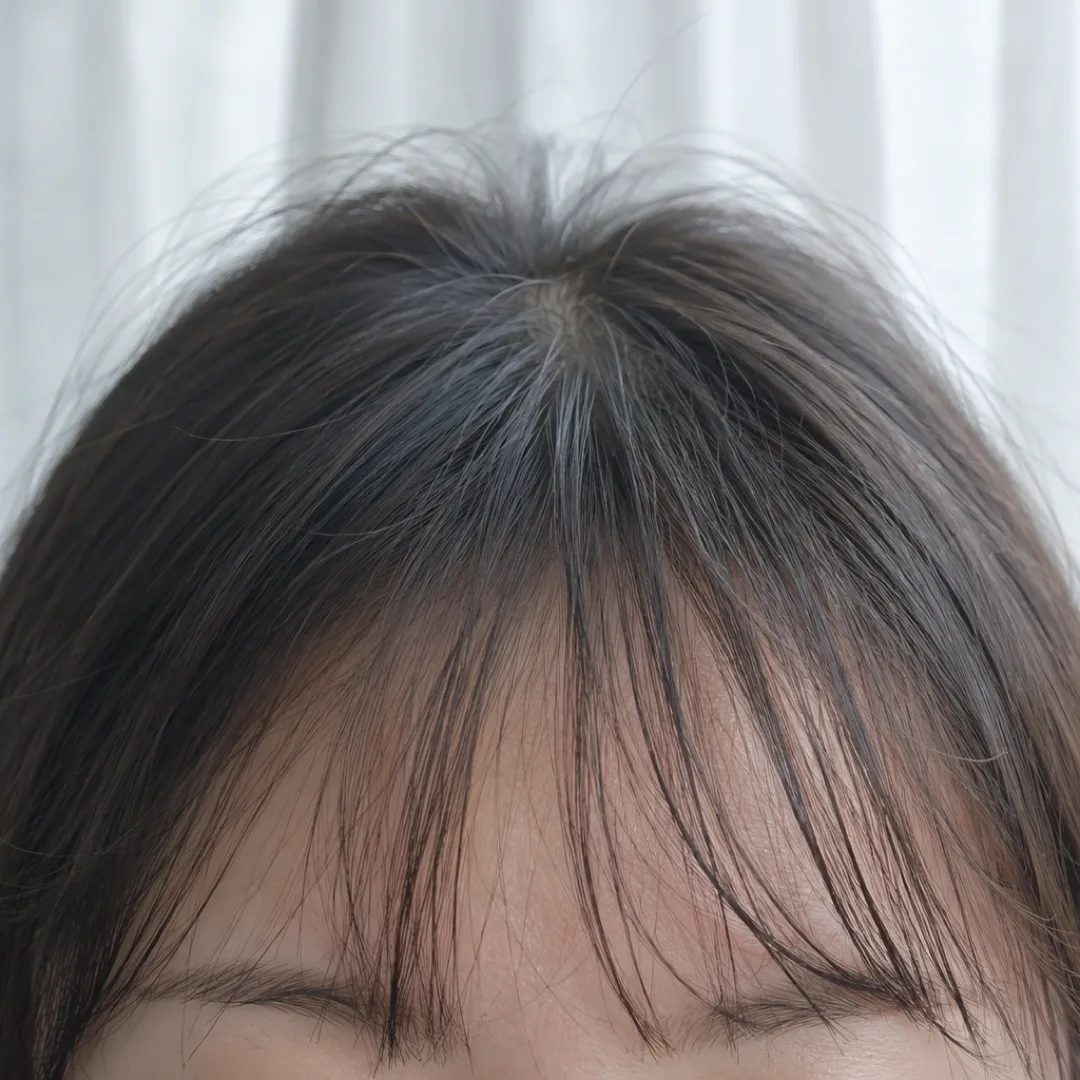
Three things work together. First, the skin of your forehead is in constant contact with the hair, so oil transfers directly. Second, bangs are usually lighter in weight and lie flat, so there is little air circulation to keep them lifted. Third, they get handled a lot: pushing them aside, tucking them, brushing them with your fingers. Hands carry oil and product, and each touch moves some of it onto the hair.
It also helps to know that this is a common experience and not a sign that you are doing something wrong. According to the American Academy of Dermatology's general hair care guidance, how often people wash their hair depends on hair type, scalp oiliness, and lifestyle. That is a good reminder that there is no single schedule that suits everyone.
Morning: set the tone before the day starts
Mornings are the best moment to prevent trouble, because the hair is clean or freshly rinsed and the forehead has not yet been touched or covered with product. Two small actions are enough.
Keep skincare and styling products off the roots
Moisturizer, sunscreen, primer, and styling products can all drift onto bangs. Many people find it helpful to let skincare settle on the skin before the hair falls forward, and to keep heavier creams and oils away from the hairline. Why now? Because product that lands on bangs in the morning has all day to mix with natural oil and weigh the hair down.
Style light and dry
Heavy waxes, pomades, and rich serums are often a poor match for fine, flat-lying hair at the front. Lightweight formulas, or simply none at all on the bangs, are a common choice among people prone to grease. If your hair is damp when you style it, it may also lie closer to the forehead and pick up oil more readily, so allowing it to dry fully before you finish the look is a reasonable habit. If you are unsure which products suit your scalp and skin, a pharmacist or a licensed professional can help you narrow it down.
Related reading: How to Manage Hair While Growing It Out
Midday: small touches that make a difference
By late morning or afternoon, forehead oil has had hours to transfer. This is where the "why this moment" question matters most: you are not starting from scratch, you are interrupting a buildup that has already begun. The goal is to keep it manageable until evening, not to erase it.
Hands off the fringe
Tucking, twisting, and brushing bangs aside with your fingers moves oil from your hands and skin onto the hair. Noticing the habit is half the work. Some people keep their hands busy another way, or use a clip or headband during desk work so they are not tempted to fiddle.
Blot the forehead, then refresh the bangs
Because much of the oil on bangs originates from the forehead, gently blotting the skin with a clean oil-absorbing tissue can reduce transfer. For the hair itself, many people reach for a dry shampoo. Dry shampoos are widely used to absorb surface oil and add some lift, but they are a temporary measure and the effect varies by product and hair type. Follow the directions on the label, and check with a pharmacist or licensed professional if you have a sensitive scalp, since some people react to fragrances or propellants.
One honest limitation: layering dry shampoo day after day without washing can leave residue on the scalp, which some people find itchy or flaky. If that happens, that is a good cue to wash sooner and to ask a professional about it if it persists.
Mind the things that rest against your forehead
Hats, sunglasses on your head, headbands, and even a hand propped against your forehead all press oil into the bangs. If you wear them often, it may be worth cleaning them regularly, since they can hold onto oil and residue themselves.
Evening: reset so tomorrow starts clean
Evening is when the day's oil, sweat, sunscreen, and styling residue are all sitting on the hair and skin together. A reset here pays off the next morning, and it also keeps that buildup from transferring onto your pillow and back onto your face and bangs overnight.
Wash the bangs on their own if the rest is fine
If the rest of your hair stays fresh but the front goes greasy, some people wash only the bangs in the sink between full shampoos. The reasoning is simple: the front oils faster, so it can be refreshed without stripping the lengths, which may be drier. This approach suits some hair types better than others, and people with very dry or textured hair may prefer a different rhythm.
Cleanse the forehead and rinse thoroughly
Because the forehead and the bangs share oil, washing your face thoroughly and keeping the hair off your skin while you do it helps. When you shampoo, rinsing well matters, since leftover shampoo or conditioner can make hair look limp and coated. Conditioner is generally kept toward the lengths and ends instead of the roots, which is a common recommendation for people with oily roots.
Keep the pillowcase fresh
Pillowcases collect oil, product, and skin cells. Changing them regularly is a low-effort habit that some people find helps their hair and skin feel cleaner day to day.
Weekly check-in: what to look at and adjust
Habits only help if you can tell whether they are working. Once a week, take a few minutes to look back and adjust. Keep in mind that the American Academy of Dermatology's general guidance on hair care points to individual variation, so your best routine may look different from a friend's.
Pay attention to patterns. Did the bangs go greasy faster on days you wore a hat, exercised, or used a richer moisturizer? Did a new product coincide with a change? Small notes on your phone are plenty.
Weekly checklist
- Timing: At what point in the day did the bangs start to look oily, and what happened just before?
- Products: Did any new skincare, sunscreen, or styling product touch the hairline?
- Touch: How often did your hands go to your bangs?
- Dry shampoo: Are you leaning on it more than you want, or noticing buildup or itch?
- Rinsing: Is shampoo and conditioner fully rinsed out, and kept off the roots?
- Surfaces: When did you last change your pillowcase and clean hats or headbands?
- Scalp comfort: Any redness, flaking, stinging, or itching that stays around?
- Adjustment: What one small change will you try next week?
When oily bangs may need professional input
Everyday oiliness is common and usually a cosmetic nuisance. If you notice persistent flaking, itching, redness, irritation, tenderness, or sudden hair shedding along with the oiliness, that is worth discussing with a dermatologist or another licensed professional rather than trying to manage it with products alone. Scalp conditions can look like simple oiliness at first, and only a qualified professional can tell the difference. Reactions to hair and skin products also vary from person to person, so stop using anything that stings or irritates and ask a pharmacist or clinician for guidance.
Putting it together
To keep bangs from getting oily, you do not need a new product shelf or an elaborate plan. Keep heavy products off the hairline in the morning, cut down on touching and blot the forehead at midday, and reset with a thorough rinse and a clean pillowcase in the evening. Then use a quick weekly review to see what is actually moving the needle for your hair. Expect gradual improvement, not overnight change, and keep what works while dropping what does not.
Frequently asked questions
Should I wash only my bangs, or the whole head?
If the rest of your hair still looks fresh while only the front is greasy, washing just the bangs between full shampoos is something many people with fast-oiling fronts do. The reason is that the forehead shares oil with the fringe, so the front tends to get greasy first. If your lengths are also oily or you have been sweating, a full wash makes more sense.
Is dry shampoo a good everyday fix?
If you use dry shampoo as a short-term refresh between washes, it can be a handy tool, since it is widely used to absorb surface oil. Daily layering without washing can leave residue on the scalp, and some people notice itching or flaking from it. Follow the product label and ask a pharmacist or licensed professional if your scalp is sensitive.
Could my skincare be making my bangs oily?
If you apply moisturizer, sunscreen, or primer near the hairline, some of it can transfer to the bangs as the hair falls forward. That is why many people let products settle on the skin first and keep rich formulas away from the roots. Tracking when the bangs go greasy after a new product is an easy way to spot a link.
When should I talk to a professional about oily bangs?
If oiliness comes with persistent itching, flaking, redness, tenderness, or unusual shedding, a dermatologist or other licensed professional can look at your scalp and skin. Those signs can point to something beyond ordinary oil, which products alone may not address. Reach out sooner if any product stings or irritates.
Disclaimer: This article is for informational purposes only and is not a substitute for professional medical advice, diagnosis, or treatment. Please consult a licensed professional for personal health decisions.