How to Manage Hair While Growing It Out
The most common way people try to manage hair while growing it out is to stop everything: no trims, no heat tools, no styling, and a hat for every bad day. It feels disciplined, but it often backfires. Split ends keep traveling upward, tangles turn into breakage, and the awkward in-between stage looks worse than it has to. A better plan is a steady routine of gentle handling, light maintenance, and a few styling tricks that carry you through the messy months.
Hair growth is slow and varies from person to person. According to the American Academy of Dermatology Association's general hair care guidance, hair length is also shaped by how much of it breaks off along the way, which is why protecting the strands you already have matters as much as waiting. Below, each common mistake is paired with the reason it backfires and a practical alternative.
Common mistakes that slow down the process
Mistake one: skipping trims entirely
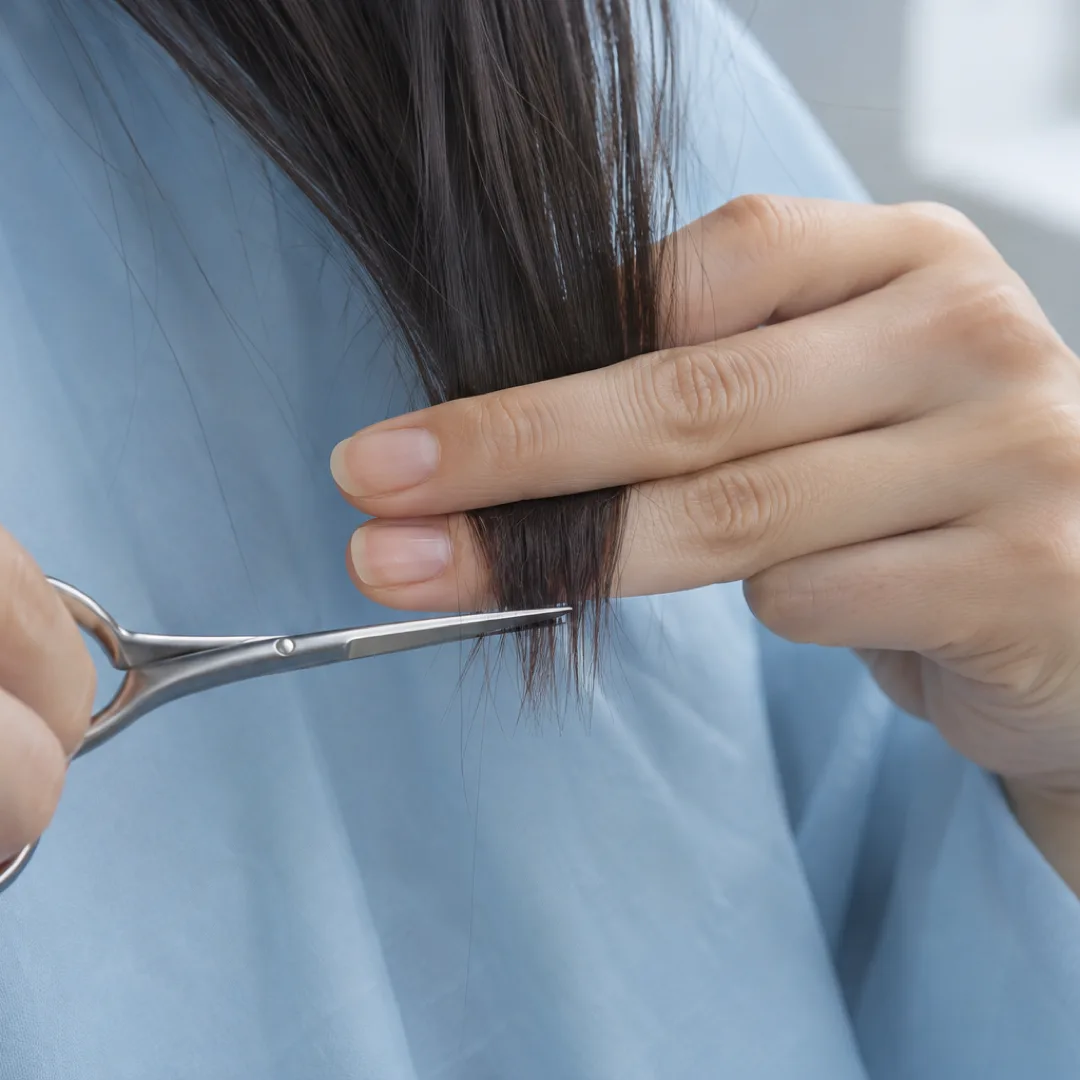
It seems logical that cutting hair can't help you keep length. The catch is that frayed ends tend to split further up the strand over time, and a split that travels far enough can only be removed by cutting more hair than you would have lost with a small trim. Dry, brittle ends also snag on clothing and brushes, which adds to breakage.
What to do instead: Book light trims at a spacing your stylist suggests, and ask for "dusting," meaning only the damaged tips come off. Tell the stylist plainly that you are growing your hair out so they can shape it without taking off extra length. Many people find that a stylist who knows the goal also helps plan the awkward stages.
Mistake two: brushing wet hair from the roots down
Wet hair is generally more fragile and stretches more easily, so yanking a brush from the scalp through knots can snap strands. Rushing through tangles after a shower is one of the most frequent sources of mid-length breakage, especially for textured, curly, or fine hair.
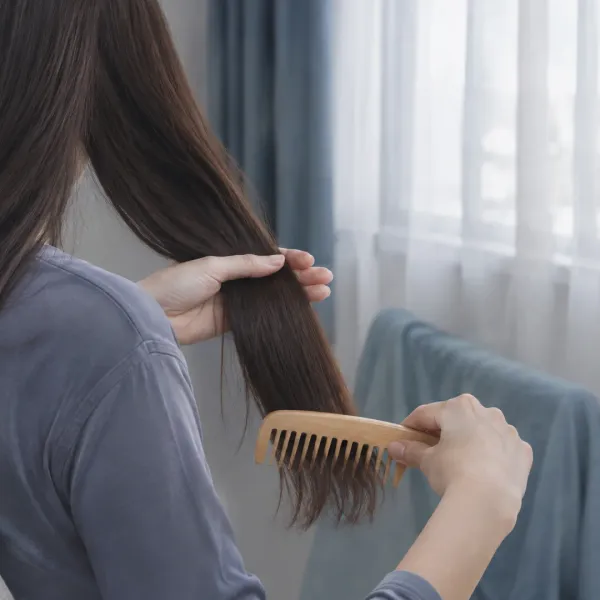
What to do instead: Work from the ends upward, a small section at a time, using a wide-tooth comb or a brush designed for detangling. Many people like to do this while a conditioner or leave-in product is still on the hair, since the extra slip can make knots easier to loosen. If you hit a stubborn knot, hold the hair above it so the pull does not reach the scalp, and go slowly.
Mistake three: relying on tight styles to hide the awkward stage
Tight ponytails, high buns, and braids pulled firmly at the hairline are tempting when hair is between lengths. Constant tension can stress the hair at the same spots day after day. The American Academy of Dermatology Association has noted that hairstyles that pull hard on the hair over long periods can contribute to hair loss at the hairline, so this is worth taking seriously.
What to do instead: Choose looser styles with soft, snag-free elastics or clips, and change the position of ponytails and buns from day to day so the same section isn't always under strain. If your scalp feels sore or tender after a style, that is a sign it is too tight.
Mistake four: heavy heat styling to "make it look finished"
Hot tools can make growing-out hair look neater, but repeated high heat tends to dry the hair and weaken the outer layer. Weak ends then break, which means the length you are working toward quietly disappears.
What to do instead: Let hair air-dry partway before using any tool, and keep the heat setting as low as still works for your hair. A heat protectant product may be an option, though results differ by product and hair type, and it does not make heat harmless. Consider heatless options such as soft rollers, loose braids overnight, or a wrap-and-dry technique for waves.
Mistake five: buying every "growth" product
Shelves are full of serums, gummies, and shampoos that promise faster growth. Many of these claims are hard to verify, and cosmetics generally cannot change how fast hair grows from the follicle. The FDA's general position is that cosmetics are meant to cleanse or beautify, not alter body function, so be wary of anything that sounds like a medical promise.
What to do instead: Spend your budget on basics that protect length: a gentle shampoo suited to your scalp, a conditioner suited to your hair texture, and perhaps a leave-in or light oil for ends. If you are considering a supplement or a topical hair-loss product, ask a pharmacist or doctor first, because ingredients and individual health conditions matter.
Related reading: How to Care for Hair After Taking Out Braids
Better habits that make the stages easier
Build a routine around gentleness
Washing frequency depends on scalp oiliness, hair texture, and lifestyle, so there is no single right schedule. A scalp that feels greasy often needs more frequent cleansing, while very dry or coily hair may do better with fewer washes and more moisture. The goal is a clean scalp and conditioned lengths, not stripped hair.
- Shampoo mainly at the scalp, letting the rinse-off carry cleanser through the lengths.
- Condition the mid-lengths and ends, where hair is oldest and driest.
- Pat dry with a soft towel or old cotton t-shirt instead of rubbing, which can roughen the surface of the hair.
- Use a wide-tooth comb on damp hair and a gentler brush once it is dry.
Protect hair while you sleep
Friction against a pillowcase can roughen hair overnight, especially at longer lengths. A silk or satin pillowcase, or a loose bonnet or scrunchie style, is widely used to reduce that friction. Evidence on how much difference it makes for any one person is limited, but it is a low-effort habit, and many people find their hair feels smoother in the morning.
Add moisture and conditioning treatments
Deep conditioning masks and leave-in conditioners can make hair feel softer and easier to detangle, which indirectly helps reduce breakage. Look for ingredients you already know your hair tolerates, and patch-test new products if your skin is sensitive. Reactions vary from person to person, so if a product causes itching, redness, or burning on the scalp, stop using it and consider speaking with a dermatologist.
Be kind to the scalp
Hair grows from the scalp, so scalp comfort matters. Flaking, persistent itching, or soreness can have several causes, including product buildup or conditions that benefit from professional evaluation. Rather than guessing, a dermatologist can help sort out what is going on.
Related reading: What Pre Poo Means in Hair Care, Explained Simply
Handling specific situations
The shaggy, in-between stage
This is the point where hair is too long to look tidy but too short to tie back. Ask your stylist for subtle shaping around the face and nape rather than a full restyle, so the overall length stays on track. Headbands, clips, and half-up styles can bridge the gap, and light texturizing products may help hair look more intentional without needing heat.
Growing out bangs
Bangs often poke into the eyes before they blend in. A common approach is to sweep them to the side, pin them back with small clips, or ask a stylist to trim them into a longer face-framing shape. Grease from fingers and skin products tends to transfer to bangs, so they may need more frequent rinsing than the rest of the hair.
Growing out a short cut or pixie
Short styles grow unevenly, and the back and sides can look bulky before the top catches up. Regular shaping at the neckline and around the ears, rather than a full cut, can keep things tidy. Headbands, scarves, and texture products are handy during the transition, and patience matters most here, since the stage can last a while.
Growing out color or chemical treatments
If your hair is colored, bleached, relaxed, or permanently straightened, the processed lengths are usually more fragile than new growth. Gentle handling matters even more, and a stylist can advise on blending the line between old and new hair. Deciding whether to keep coloring, go gradual, or let color fade is a personal choice, and a professional can explain the options for your hair history.
Textured and curly hair
Curly and coily hair is often drier and more prone to tangling at the bends of each strand. Detangling in sections with plenty of slip, protective styles that are not too tight, and moisture-focused routines are commonly used. Shrinkage can make hair look shorter than it really is, so measuring length stretched out may give a more realistic picture of progress.
Thinning, shedding, or sudden changes
Some daily shedding is normal, but sudden increases, bald patches, or noticeable thinning deserve attention. According to MedlinePlus general guidance, hair loss can have many causes, including hormonal changes, nutrition, illness, stress, medications, and scalp conditions. If you notice a change that worries you, a primary care provider or dermatologist can look into the cause rather than leaving it to guesswork.
When to get professional help
A stylist can help with shape, damage assessment, and a trim schedule that supports your goal. A dermatologist is the right contact if you have scalp pain, spreading patches of hair loss, intense itching, or skin changes around the hair. Do not rely on online advice or product marketing to diagnose a hair or scalp problem.
Growing out hair is largely a matter of protecting what you have, handling it gently, and getting through the awkward phases with simple styling. With a realistic routine and patience, it becomes easier to manage hair while growing it out, and results will differ depending on your hair type, health, and habits.
Frequently asked questions
Do I really need trims if I want longer hair?
If your ends are split or frayed, yes, small trims usually help, because damaged tips can split further up the strand and force a bigger cut later. Dusting only the tips keeps length loss minimal. A stylist can judge how often is right for your hair type and condition.
Can a growth product make my hair grow faster?
If a product is sold as a cosmetic, it generally cannot change how fast hair grows, since the FDA treats cosmetics as products meant to cleanse or beautify. Some products may make hair feel stronger or look fuller, which can help you keep length. For supplements or topical hair-loss products, ask a pharmacist or doctor before using them.
Is it normal for hair to look worse before it looks better?
If your hair is moving through the in-between stage, such as a shaggy cut, outgrown bangs, or short layers catching up, a messy phase is common. Gentle shaping, hair accessories, and low-heat styling can make that period easier. If you notice thinning, soreness, or patchy loss in addition to the awkward look, a dermatologist can help find out why.
Disclaimer: This article is for informational purposes only and is not a substitute for professional medical advice, diagnosis, or treatment. Please consult a licensed professional for personal health decisions.