How to Keep Your Own Hair Healthy Under a Wig
A common first move is to pull the hair as tight as possible, pin it flat, and put the wig on over it, hoping that a snug fit will keep everything secure and hidden. That habit is one of the most frequent reasons people notice sore edges, thinning spots, and brittle strands. If you want to keep your own hair healthy under a wig, the goal is a comfortable, low-tension setup with a clean scalp and hair that stays moisturized and gently handled.
Wigs themselves are not the enemy. Many people wear them for fashion, convenience, protective styling, or during hair loss, and plenty of wearers keep their natural hair in good shape. The trouble usually comes from small habits repeated daily. Below are the mistakes that come up most often, why each one backfires, and what to do instead. Reactions and hair types differ, so treat this as general information rather than personal advice.
Common mistakes that stress the hair underneath
Mistake one: braiding or pinning the hair too tightly
Tight cornrows, firm buns, and a mass of bobby pins can feel like the tidiest way to flatten hair. The problem is that constant pulling at the hairline and roots can lead to tension-related hair loss over time. Hairstyles that pull on the hair for long periods are widely linked to traction alopecia, so changing the style early matters.
The better move is to keep the foundation style loose enough that it does not cause pain, bumps, or a stinging scalp. If the wig only stays on when the hair underneath is yanked tight, the wig may be the wrong size or cap construction for you, and that is worth fixing rather than tolerating.
Mistake two: wearing the wig around the clock
It is tempting to leave a wig on all day and all night, especially if it makes you feel put together. The downside is that your scalp rarely gets air, sweat and oil build up, and the hair underneath can rub against the cap for hours without a break. Some people find this leads to itching, flaking, or a stale smell.
Build in wig-free time when you can, such as at home or while you sleep. Giving the scalp and hairline regular rest is a simple way to reduce friction and let skin breathe.
Mistake three: skipping washing because the hair is hidden
Out of sight can turn into out of mind. When the wig covers everything, it is easy to stretch the time between washes. But sweat, styling products, and natural oil still collect on the scalp, and a dirty scalp can become itchy or irritated. Persistent flaking or itching is a good reason to ask a professional.
Plan a regular wash routine that suits your hair type. Curly and coily textures often prefer a gentler schedule than fine, oily hair, so the right rhythm varies. The point is not perfection, just not letting the scalp go neglected for long stretches.
Mistake four: using strong adhesives or glue on bare skin or hair
Wig glues, tapes, and bonds can hold well, but they can also irritate skin, pull on baby hairs, and cause trouble at removal. Some people react to adhesive ingredients even if they have used a product before. Pulling a wig off while it is still firmly stuck can tear at the hairline.
If you use adhesives, read the product label and follow the manufacturer's removal directions rather than improvising. If you are unsure whether a product suits your skin, a pharmacist or dermatologist can help you think it through.
Mistake five: ignoring the wig cap and the wig itself
A dirty or rough wig cap, or a wig that has not been cleaned in a long time, sits right against your scalp and hairline. Over time that can cause friction, odor, and irritation. Rough lace edges or scratchy elastic bands can also rub the same spots again and again.
Wash caps and liners regularly and pay attention to the band and edges. Smooth, breathable materials such as soft cotton or bamboo-type liners are commonly chosen because they feel gentler against the skin, though comfort is personal.
Mistake six: dry, neglected natural hair
Many wearers assume the hair underneath is protected and leave it alone. In reality, hair under a wig can still get dry, tangled, and prone to breakage, especially at the nape and ends where the cap rubs. Skipping moisture and detangling can lead to knots that snap when you finally deal with them.
What to do instead
Choose a gentle, low-tension base
Loose braids, flat twists, or a soft low bun are often used as foundations because they keep hair contained without hauling on the roots. The best base is one that you can forget about all day. If you feel tugging at the temples or edges, that is a sign to loosen or change the style.
Avoid relying on lots of pins and elastics that dig in. Hair that is simply tucked and secured lightly under a well-fitted cap usually stays more comfortable than hair forced flat.
Find the right fit and cap type
Fit matters more than most people realize. A wig that is too small squeezes the hairline, while one that is too large slips and rubs. Many wigs have adjustable straps and combs, so you can often adjust the fit without extra tightness. Different cap styles, such as ones with more breathable construction, suit different needs and head shapes.
If you are shopping, try wigs on when possible or check the return policy. A stylist who works with wigs can also help you judge whether a given cap suits your head and your natural hair underneath.
Keep the scalp clean and comfortable
Regular washing, gentle handling, and thorough rinsing are the basics of scalp care. Avoid scrubbing hard, which can irritate. Dry the scalp well before putting a wig back on, since lingering dampness under a cap can be uncomfortable.
If you use any prescription or medicated scalp product, ask your clinician or pharmacist how it fits with wearing a wig rather than guessing.
how to wash and care for natural hair between wig wearMoisturize and protect the strands
Hair that is hidden still needs attention. Keep your routine simple, and be mindful that heavy products near the roots can mix with sweat. Which products suit you depends on your texture, scalp, and any sensitivities, so there is no single right answer.
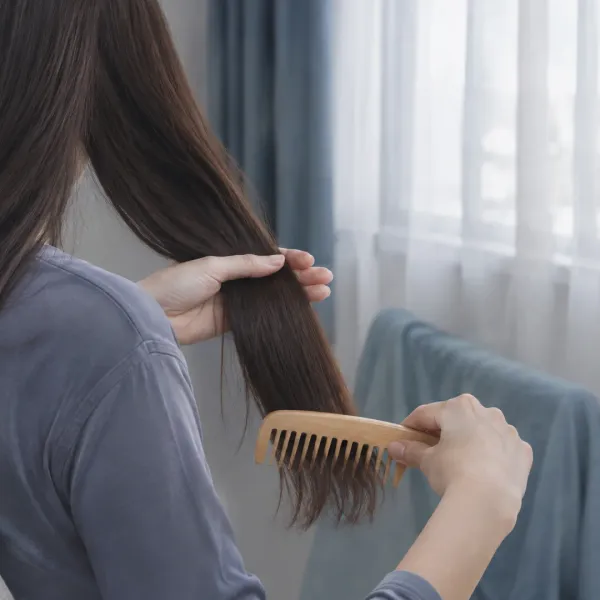
Detangle gently before putting hair away under a wig, working from the ends upward. Smooth, satin-style sleep coverings are commonly used at night by people who take their wig off, because they create less friction than rough fabrics.
Give your hairline time off
The hairline and edges are the most fragile area for many people. Alternate between wig days and wig-free days, and watch for early signs such as redness, tenderness, small bumps, or hair that looks thinner than usual. Catching changes early gives you more options.
Take adhesives seriously
If you prefer a secure, glueless-style wig with combs and straps, that can lower the amount of adhesive that touches your skin. If you do use adhesives, follow the maker's removal directions and never force a wig off. Products and reactions vary a lot, so reading labels carefully is a worthwhile habit.
Adapting these habits to your situation
If you are wearing a wig because of hair loss
When hair loss is the reason, the scalp and remaining hair can be more sensitive. Softer, more breathable caps and especially careful fitting often matter more. It is also worth speaking with a dermatologist about the underlying cause, since some types of hair loss have specific evaluation and management options. A wig can be part of how someone copes, but it does not replace finding out what is happening.
If you have curly or coily hair
Textured hair tends to be drier and more fragile, so moisture and gentle detangling matter a lot. Protective styles that sit flat, like loose braids or twists, are common bases, but they should stay comfortable and not too tight. Watch the edges closely, since they are often the first area to show strain.
If you have fine or oily hair
Fine hair can get flattened and oily quickly under a cap. A lighter touch with products and a regular wash schedule can help the scalp feel fresher. Because fine strands can break easily, avoid very tight elastics and rough brushing.
If you have a sensitive or itchy scalp
Itching, burning, or flaking under a wig can come from sweat, a reaction to a product, or an underlying scalp condition. Try noting what changed recently, such as a new adhesive, shampoo, or cap material. If symptoms linger or worsen, it is sensible to have a dermatologist take a look instead of trying to guess.
If you wear a wig during exercise or hot weather
Heat and sweat make buildup more likely, so a breathable cap and a slightly more frequent cleaning routine are often chosen. Some people simply skip the wig for workouts. That choice is personal, and giving your scalp a break can be a practical option.
When to get professional help
Consider seeing a dermatologist or another qualified professional if you notice patches of thinning, ongoing pain, persistent redness, pus-like bumps, sores, or scalp scaling that does not settle. These can have several causes, and they are not something to diagnose from home. Early advice often gives you more choices.
Frequently asked questions
Will wearing a wig make my own hair fall out?
A wig on its own is not generally described as a cause of hair loss, but tight foundations, harsh adhesives, and constant friction can strain the hair, especially at the hairline. If your wig fits comfortably and you keep tension low, those risks tend to be smaller. If you notice thinning or tenderness, that is worth having checked.
Do I really need to wash my scalp if the wig covers it?
Yes, if you want the scalp to stay comfortable, because sweat, oil, and product still build up under a cap. How often depends on your hair type and how much you sweat, so a curly texture may suit a gentler schedule than fine, oily hair. Itching or flaking that does not improve is a good reason to ask a professional.
Is it better to wear a wig every day or only sometimes?
If your scalp or hairline feels irritated, mixing in wig-free time is usually the gentler choice because it reduces friction and lets the skin breathe. Wearing one daily can still work for some people when the fit is loose, the cap is clean, and the hair underneath is cared for. Your own comfort and any signs of strain are the best guide.
Disclaimer: This article is for informational purposes only and is not a substitute for professional medical advice, diagnosis, or treatment. Please consult a licensed professional for personal health decisions.