How to Refresh Second Day Hair: Match the Fix to the Cause
Two people can wake up with the same limp, dull hair and need completely different fixes. That is the core of how to refresh second day hair well: the right move depends on whether oil, flatness, odor, or leftover product is behind the problem. Guess wrong, and you can waste time, add more residue, or leave your scalp feeling worse than when you started.
Below, the problem is split into its common causes. For each one, there is a quick way to tell whether it fits you, followed by general approaches people often use. Hair type, texture, scalp condition, and lifestyle all change the outcome, so treat this as a starting map rather than a prescription.
Why second day hair looks off: sorting out the causes
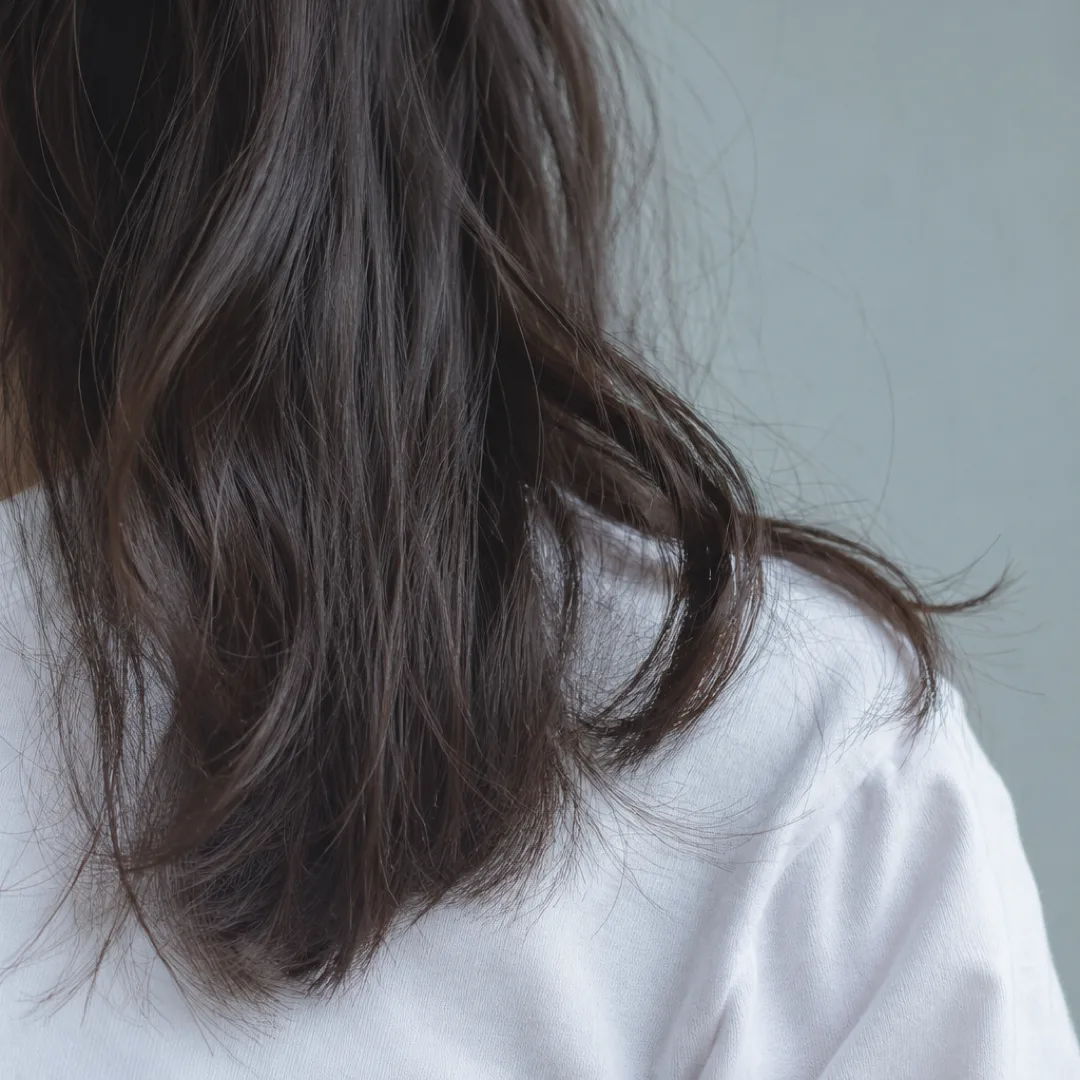
Day-old hair tends to go wrong in a few recognizable ways. Sorting yours into the right bucket comes first, because a fix for one cause can make another worse.
The four usual suspects
- Surface oil: Scalp oil (sebum) travels down the hair, so roots look slick, darker, or stringy, especially with fine or straight hair.
- Lost shape: The hair is clean enough, but curls have drooped, waves have relaxed, or volume has collapsed after sleeping on it.
- Sweat and odor: Exercise, heat, or a hat leaves the scalp damp, and hair can smell stale even if it does not look greasy.
- Buildup: Styling products, dry shampoo, and conditioner residue pile up, so hair looks dull, feels coated, or will not hold a style.
Many people have more than one going on. Still, one is usually dominant, and starting with that one saves effort.
A quick self-check before you pick a fix
Look at your roots in natural light and then run clean, dry fingers through the lengths. Oily roots with fairly normal ends point to surface oil. Roots that look fine but hair that feels limp or tangled points to lost shape. A damp scalp or a stale smell points to sweat. Hair that feels waxy, heavy, or looks gray and dull, even right after washing, often points to buildup.
If your scalp is itchy, flaky, red, or tender, that is a separate question. The American Academy of Dermatology notes that persistent scalp symptoms can have several causes, and those are worth raising with a professional rather than trying to cover up with styling tricks.
If the cause is surface oil
How to tell it fits
Your hair looks fine from the ends up, but the roots look flat, shiny, or separated into strands. It often shows up faster on fine hair, because oil coats thin strands more easily. Hair that is dry at the ends and greasy at the roots is also common, and it can fool you into thinking the whole head needs washing.
What commonly helps
People often reach for an absorbent product at the roots, such as a dry shampoo or a loose powder, and then work it through with fingertips or a brush. These products generally soak up some surface oil and add a little grip. Other everyday tools include a clean boar-bristle or similar brush to move oil from roots toward the ends, and a hairstyle that hides the roots, like a twist, braid, or sleek ponytail.
Follow the directions on the label of any dry shampoo or powder, and read the ingredient list if you have sensitive skin or fragrance concerns. Reactions vary from person to person.
What to watch out for
Absorbent products do not clean the scalp. They can mask oil for a while, but they do not remove it, and layering them day after day can contribute to buildup. Some people also find that heavy use leaves the scalp itchy or the hair gritty. If a stronger fix is what you are really after, rinsing or washing the roots is a different step, not a more intense version of dry shampoo.
Misreading this one has a cost. If your hair is actually dull from residue, adding more powder to the roots tends to make it look dingier, not fresher.
Related reading: How to Care for Fine Thin Hair: A Step-by-Step Plan
If the cause is lost shape and flatness
How to tell it fits
Your roots are not greasy, and your hair does not smell, but it looks tired. Curls are stretched or frizzy, waves have fallen out, or a blowout has gone limp. Bedhead flattening on one side is a classic sign.
What commonly helps
For straight or wavy hair, many people lightly restyle with a few minutes of heat from a blow dryer or a curling or flat iron on a few key sections, focusing on the crown and face-framing pieces. For curly and coily textures, a light misting of water, sometimes followed by a small amount of the leave-in product the person already uses, is a widely used way to reactivate curl pattern. Then the curls are reshaped by hand and left to dry.
Sleeping habits matter too. A loose top bun, a silk or satin pillowcase, or a loose braid is commonly used to reduce friction and keep shape overnight. Results depend on hair texture and length, so some trial and error is normal.
What to watch out for
Repeated heat styling can stress hair over time, particularly if it is already dry or color-treated. The American Academy of Dermatology has noted in its general hair care guidance that frequent heat and tight styles can contribute to breakage. If you reach for heat often, a heat protectant and a lower setting are commonly suggested, and a stylist can advise on what suits your hair.
If flatness is really the result of residue weighing the hair down, restyling will not hold. That is the clue that you may be in the buildup category instead.
If the cause is sweat and odor
How to tell it fits
The scalp feels damp or warm, or hair smells stale after a workout, a commute in hot weather, or a day under a hat. Hair may not look oily at all, which is why this one gets missed.
What commonly helps
Letting the scalp air dry fully is the simplest step, since lingering moisture is often what makes hair smell. Many people also use a gentle rinse with plain water at the scalp, followed by thorough drying, as a lighter option than a full wash. Some use a lightly scented hair mist on the lengths, though fragrance sensitivity varies, and scented sprays mask odor rather than remove it.
If you sweat heavily or exercise most days, a regular washing rhythm that fits your lifestyle may simply be more practical than stretching to a second day. That is a reasonable call, not a failure.
What to watch out for
Persistent odor, itching, flaking, or irritation can have causes beyond ordinary sweat, such as scalp conditions. The Mayo Clinic describes several common scalp conditions that can cause flaking or itching, and these are best sorted out with a health professional rather than guessed at. Fragrance sprays, in particular, can irritate a sensitive scalp.
If the cause is product buildup
How to tell it fits
Your hair feels coated, stiff, or waxy. It looks dull even soon after washing, it resists holding a style, or dry shampoo seems to stop working. People who layer several styling products, use heavy conditioners, or use dry shampoo for multiple days in a row tend to notice this most.
What commonly helps
Buildup is generally addressed by cleansing rather than by adding something new. Many people use a clarifying shampoo from time to time, and some rinse routines are built around that idea. Because clarifying products can be drying, how often they fit into a routine depends on your hair type, color treatment, and scalp. Check the product label, and a stylist or pharmacist can help you choose if you are unsure.
Cutting back on how many products are layered, or switching to lighter formulas, is another common adjustment.
What to watch out for
This is where wrong guesses cost the most. Trying to refresh buildup with more dry shampoo, more heat, or more styling product usually compounds the problem. If your scalp becomes irritated, tight, or itchy after switching products, it is reasonable to stop and ask a professional.
What helps in almost every case
Whatever the cause, a few habits tend to make second day hair easier to manage. None of them guarantee a result, but they are widely used for good reason.
- Start with a good first day. Hair that was fully rinsed and dried before bed usually behaves better the next morning.
- Reduce friction at night. A smooth pillowcase or a loose, low style can help preserve shape.
- Keep hands and brushes clean. Oil and residue on tools can transfer back to hair.
- Use less product, more often evenly. Small amounts are easier to refresh than heavy layers.
- Use accessories wisely. Scarves, clips, braids, and slicked styles can turn tired roots into an intentional look.
Also keep in mind that hair care is personal. Fine, thick, curly, straight, color-treated, and chemically relaxed hair each respond differently, and what works for a friend may not suit you.
When it is worth getting professional input
Consider talking with a dermatologist or a trained stylist if oil, flaking, itching, or thinning seems to be changing, or if nothing you try makes a difference. The American Academy of Dermatology encourages people with ongoing scalp or hair concerns to seek care rather than rely on cosmetic workarounds alone. Anything involving redness, pain, sores, or sudden shedding deserves a professional look sooner rather than later.
Putting it together
The best way to refresh second day hair is to name the problem first. Oily roots usually respond to absorbing and redistributing oil, flat or drooping hair to light restyling, sweaty hair to thorough drying or a plain rinse, and dull, coated hair to cleansing rather than more product. Using the wrong fix tends to make things look worse, which is why a thirty-second check of your roots and strands is worth it.
If you cannot tell which category you are in, a few options help. Try changing one thing at a time so you can see what made a difference. Wash on a rhythm that suits your lifestyle instead of forcing a second day. And if something about your scalp feels off, bring it to a professional, who can look at your hair and scalp directly.
Frequently asked questions
Can I use dry shampoo every day to keep second day hair going?
If you are leaning on it daily, buildup is a real possibility, since dry shampoo absorbs oil but does not cleanse the scalp. Hair that starts to feel coated, dull, or hard to style is a common sign that residue is piling up. In that case, many people switch to a cleansing step and use lighter amounts afterward.
Why does my hair look flat even when my roots are not oily?
If the roots are clean but hair looks limp, the cause is more likely lost shape from sleeping or residue weighing hair down than oil. Restyling usually helps with lost shape, while cleansing is the usual answer for residue. Checking whether hair feels waxy or coated is a simple way to tell them apart.
Is water alone enough to refresh curly hair on day two?
If your curls have simply drooped, a light misting of water and a gentle reshaping by hand is a commonly used approach for reviving curl pattern. It will not address sweat, odor, or heavy buildup, though. Results vary with curl type and with the products already in the hair.
When should an itchy or smelly scalp be checked by a professional?
If itching, flaking, redness, or odor keeps returning or does not improve with ordinary washing, a health professional can look at it. The Mayo Clinic notes that several scalp conditions share these symptoms, so covering them with styling products may not address the underlying cause.
Disclaimer: This article is for informational purposes only and is not a substitute for professional medical advice, diagnosis, or treatment. Please consult a licensed professional for personal health decisions.