Satin Bonnet Basics: What They Do and How to Choose
Satin bonnet basics come up in more conversations than they used to, largely because nighttime hair care has moved from a quiet habit to a popular topic on social feeds, in salons, and among friends comparing routines. People with curls, coils, braids, long hair, or color-treated strands often hear that a bonnet is a simple way to protect hair overnight. That sounds appealing, but the details about fabric, fit, and hair type are rarely explained well.
A satin bonnet is a soft, gathered cap, usually with an elastic or stretchy band, worn over the hair while sleeping or resting. It is generally made from a smooth, slippery fabric so strands glide instead of catching on rougher surfaces such as cotton pillowcases. It is a cosmetic accessory, not a treatment, and how well it works for you depends on your hair, your sleep habits, and how it fits.
Where satin bonnets come into the picture
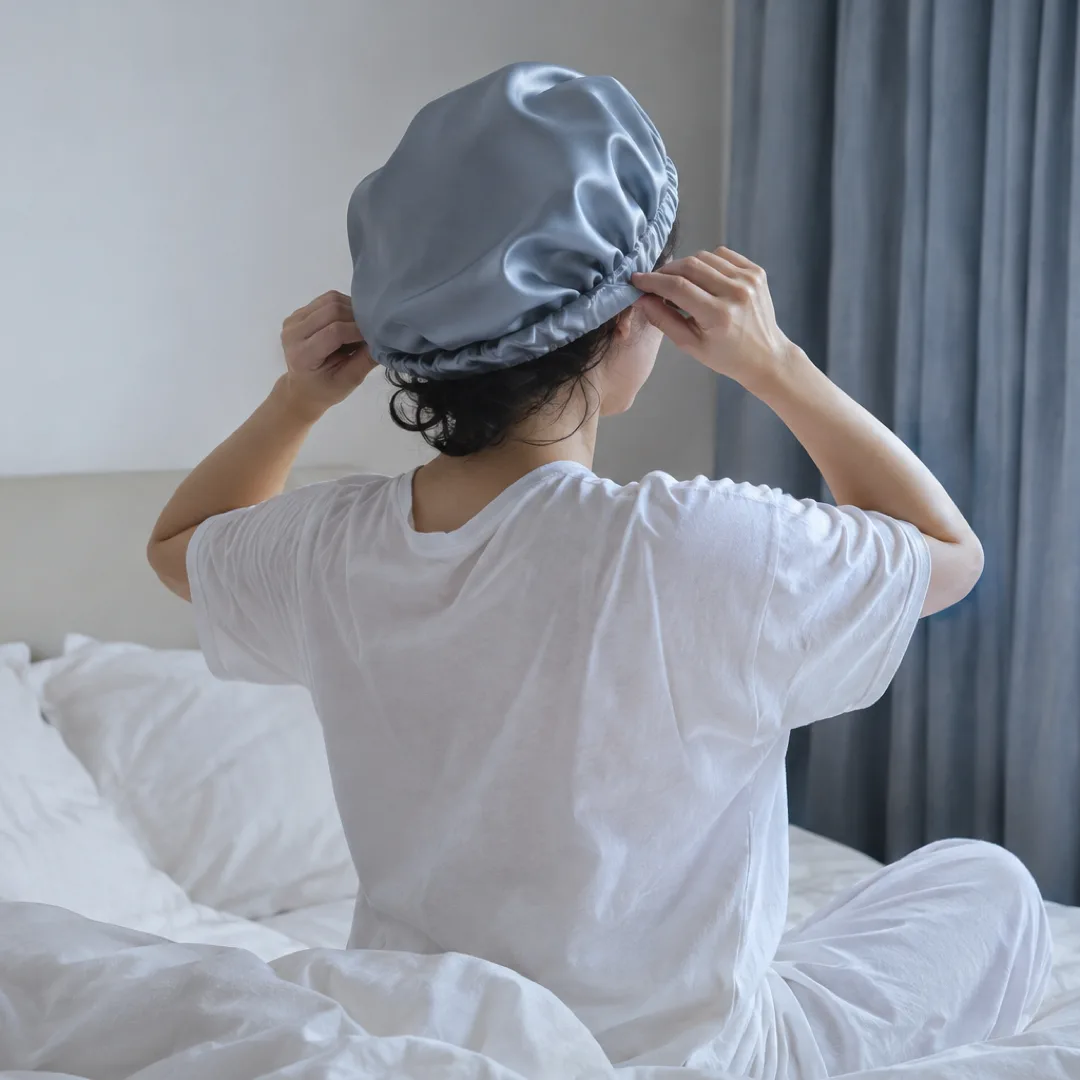
Bonnets are not a new idea. Head coverings for sleep have a long history in many communities, and they remain especially common among people with textured hair. What has changed is how widely the conversation has spread, and how many styles, sizes, and fabrics are now sold.
To make the idea concrete, consider two everyday, hypothetical situations.
Situation one: curls that look different every morning
Imagine someone with shoulder-length curls who spends time on a wash-day routine, then wakes up to flattened, frizzy, tangled hair. Cotton pillowcases and tossing and turning can create friction, and friction is a commonly cited reason hair looks rougher after sleep. This person might wonder whether a bonnet could help the style last longer between washes.
In general, a smooth covering reduces how much the hair rubs against bedding and can help keep a style more contained. It will not freeze a style in place, and results differ between people. Curl pattern, product choices, and how much someone moves at night all play a part.
Situation two: braids and a scarf that keeps slipping
Now imagine someone with long box braids or twists who wants to keep the style neat for as long as possible. They try a scarf, but it loosens by midnight and ends up on the floor. A bonnet with a roomy shape and a comfortable band may stay put better, though it depends on the size of the hairstyle and the person's head.
This example shows why fit matters as much as fabric. A bonnet that is too tight can feel uncomfortable, and one that is too loose can simply fall off. Neither situation is a failure of the idea; it is usually a sizing or style mismatch.
The core concepts behind satin bonnet basics
What a bonnet is meant to do
The main purpose is to reduce friction and keep hair contained. Smooth fabric lets hair slide rather than snag, which many people find helpful for limiting tangles, frizz, and flyaways. Some also like that a bonnet keeps hair away from the face and neck while they sleep.
Many people also associate bonnets with moisture retention, since hair under a covering is less exposed to the surrounding air and to absorbent bedding. That idea is common in hair care conversations, but it is more of a general expectation than a guaranteed effect. How hair feels in the morning still depends on its natural texture and what has been done to it that day.
Fabric: satin, silk, and what the labels mean
Satin is actually a type of weave, not a fiber. That is why a satin product can be made from polyester, nylon, or even silk, and why prices vary widely. Silk is a natural protein fiber, often more expensive and sometimes requiring gentler washing. Polyester satin is typically more affordable and easy to launder, though it may feel warmer to some sleepers.
When shopping, the product description usually tells you the fiber content. If you are unsure what a label means, comparing a few options and reading care instructions can help you pick something that suits your budget and your laundry habits.
Fit, band, and lining
Three features tend to matter most.
- Size and volume: Larger or thicker hair, locs, and braids generally need more room than short or fine hair.
- Band tension: A band that leaves deep marks on the forehead or causes headaches is likely too tight. Adjustable or wider, softer bands are popular for this reason.
- Single or double layer: Some bonnets have a second layer for a smoother feel and a bit more structure, while a single layer may be lighter and cooler.
Bonnet, scarf, or pillowcase
These three are the usual options for smoother sleep. A bonnet is easy to put on and covers most of the hair. A scarf can be tied more securely but takes practice and may press on the edges of the hairline if wrapped tightly. A smooth pillowcase protects against friction without anything on the head, though hair can still shift around the pillow. Some people combine a bonnet with a smooth pillowcase as a backup.
Related reading: Hair Serum vs Hair Oil: Which Suits Your Routine?
How the right choice changes by situation
Hair type and length
Textured hair, including curls and coils, is often described as more prone to dryness and friction-related tangling, which is one reason bonnets are so widely used in those communities. Straight or fine hair may not need one, but some people still like the way it limits tangles. Very long hair may need a larger bonnet, and short hair may slip out of a bonnet that is too big.
Hairstyle and products
Braids, twists, silk presses, and fresh blowouts each have different needs. Protective styles often benefit from roomy bonnets that do not squash the style. If you use leave-in products or oils at night, remember that fabric can absorb them over time, so regular washing of the bonnet is a reasonable habit. For product use on the scalp, such as medicated treatments, check the label and ask a pharmacist or clinician before wearing a covering over them.
Scalp comfort and sensitivity
Anyone with a sensitive scalp, a skin condition, or a history of reacting to fabrics or dyes may want to be cautious. Reactions vary from person to person. Itching, redness, or soreness after wearing a bonnet is a reason to pause and consider whether the fabric, dye, or fit is the cause. According to the American Academy of Dermatology's general guidance on scalp and hair care, persistent scalp irritation is worth discussing with a dermatologist rather than guessing.
Climate and sleep temperature
People who sleep warm may find a bonnet uncomfortable in hot weather, especially polyester versions. Breathable or lighter-weight options may feel better. In cooler months, a double-layer bonnet may feel cozy rather than stuffy.
Care and replacement
Bonnets collect oils, products, and sweat, so they usually benefit from regular washing according to the care tag. Elastic can stretch with time, and a worn-out band no longer holds the bonnet well. Replacing it when the fit changes is a practical, low-cost step.
Common misunderstandings about bonnets
"A bonnet will fix damaged hair"
A bonnet can reduce some friction, but it does not repair hair that is already damaged, and it is not a substitute for a gentle routine overall. Heat, chemical processing, and rough handling can all affect hair, and a bonnet addresses only one slice of the picture. Think of it as a supporting habit rather than a solution.
"Tighter means better protection"
A snug fit helps a bonnet stay on, but pressure is not the goal. Overly tight bands may cause discomfort, and pulling hair into a tight bundle underneath can add tension. Comfort should come first.
"All shiny fabrics are the same"
Satin describes a weave, so two bonnets that look similar can feel and behave differently. Fiber content, weave quality, and stitching all matter. A low-priced option can work well for some people, while others prefer natural silk.
"A bonnet prevents hair loss or promotes growth"
Claims like this are common online, but a bonnet is a cosmetic accessory. Hair shedding and thinning have many possible causes, including health conditions, medications, stress, and styling habits. If you notice sudden or patchy hair loss, a clinician or dermatologist is the right person to ask, not a product page.
"You must wear it every night"
There is no rule. Some people wear a bonnet most nights, others only after wash day or with certain styles. It is a personal routine choice, and it is fine to adjust it based on comfort and how your hair behaves.
Wrapping up
Satin bonnet basics come down to a few ideas: a smooth covering can reduce friction, fabric and fit matter more than trends, and hair type and hairstyle shape what works best. A bonnet is a helpful accessory for many people, but it is not a repair tool or a medical product.
Key points in three lines:
- A bonnet mainly reduces friction and keeps hair contained; results vary from person to person.
- Comfort, size, and fabric care matter more than the label on the product.
- It does not fix damage or address hair loss on its own.
It is worth talking to a dermatologist or another licensed professional if you have ongoing scalp itching, redness, pain, flaking, noticeable hair thinning, or any reaction after wearing a bonnet. They can look at your individual situation, which general information cannot do.
Frequently asked questions
Should I choose silk or polyester satin for a bonnet?
If you prefer natural fibers and do not mind gentler washing, silk may appeal to you, while polyester satin is often chosen by people who want a lower price and easy laundering. Polyester can feel warmer, so people who sleep hot sometimes lean toward lighter or more breathable options. The product label will list the fiber content.
What if my bonnet keeps falling off at night?
If it slips off, the size or band tension is the most likely cause, and a different shape or a softer adjustable band may fit better. People with large braids or thick hair often need more room, while those with short hair may need a smaller size. A smooth pillowcase can serve as a backup if you still want some friction protection.
Can a bonnet irritate my scalp or skin?
If a bonnet is tight, dirty, or made with a dye or fabric your skin does not tolerate, it can feel uncomfortable or cause irritation. Reactions vary from person to person, and washing the bonnet regularly may help reduce buildup. If redness, itching, or soreness continues, a dermatologist can help work out the cause.
Do I need a bonnet if I already use a smooth pillowcase?
If your hair is short or low-maintenance, a smooth pillowcase may be enough for you. A bonnet covers more of the hair and keeps it contained, which some people with long hair, curls, or protective styles prefer. Whether to use both is a matter of comfort and routine.
Disclaimer: This article is for informational purposes only and is not a substitute for professional medical advice, diagnosis, or treatment. Please consult a licensed professional for personal health decisions.