What Is a Clarifying Shampoo For? A Plain Explanation
Your hair feels coated, flat, or oddly dull even though you wash it on schedule, and your usual styling products seem to have stopped working. A clarifying shampoo is for removing buildup that regular shampoo can leave behind, such as styling product residue, excess oil, and mineral film from water. It is a periodic reset for the hair and scalp rather than an everyday cleanser, and how well it works varies from person to person.
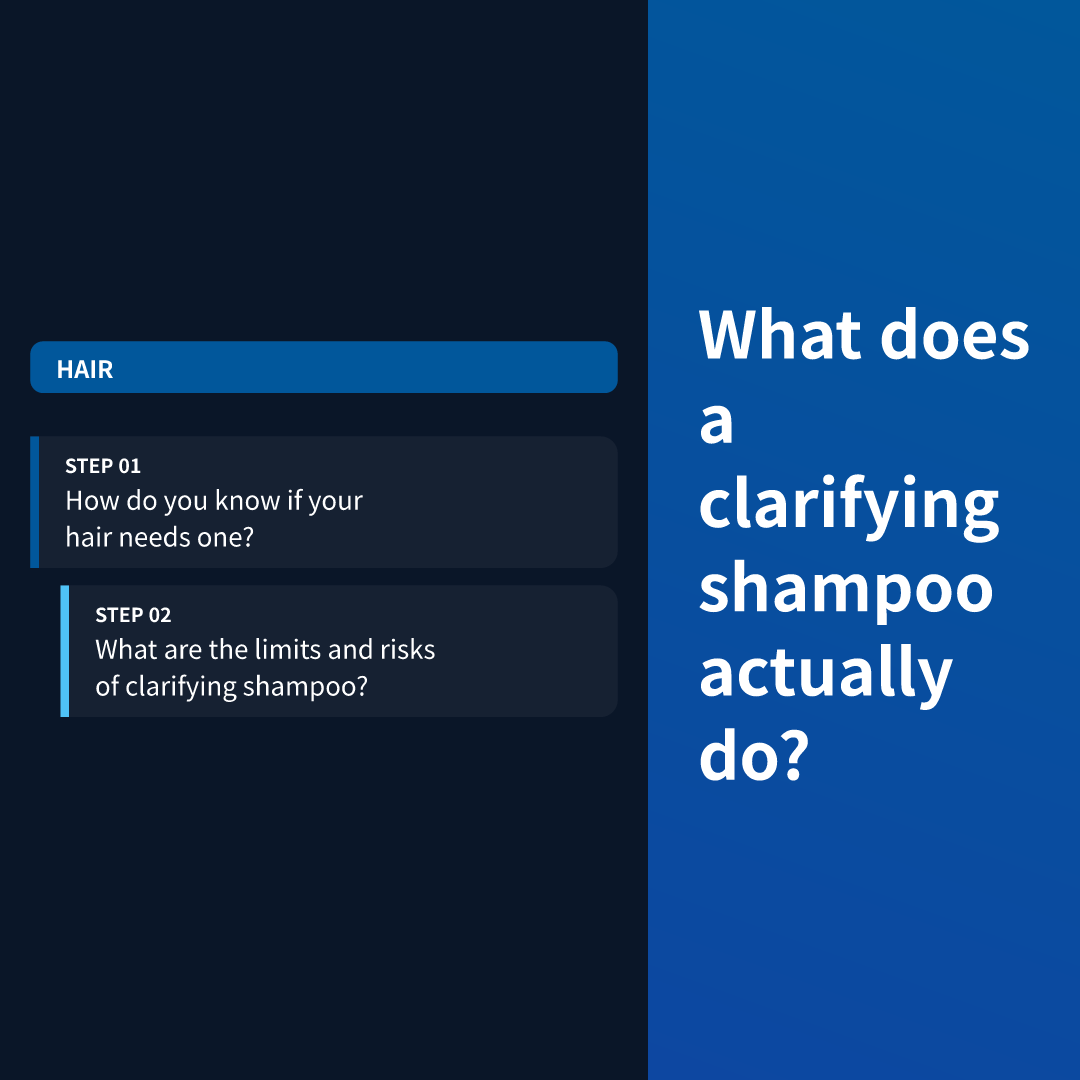
What does a clarifying shampoo actually do?
A clarifying shampoo is a deeper-cleansing formula designed to lift residue that ordinary shampoos tend to leave behind. Think of it as the difference between wiping a counter and scrubbing it. Regular shampoos are usually gentler and meant for routine use, while clarifying versions use stronger cleansing agents to break up what has settled on the hair shaft and scalp.
The residue it targets usually falls into a few groups:
- Styling products: hairspray, gels, mousses, dry shampoo, and heavy creams can layer up over repeated use.
- Silicones and waxes: some conditioners and smoothing products contain ingredients that coat the hair and may not rinse away fully with a mild cleanser.
- Sebum and sweat: natural oil and sweat can accumulate, especially for people who exercise often or have an oilier scalp.
- Hard water minerals: water with higher mineral content can leave a film on hair that makes it feel stiff or look dull.
- Environmental residue: smoke, pollution, and chlorine from pools can cling to hair.
Some clarifying formulas include chelating ingredients, which are designed to bind to minerals so they rinse away more easily. Others rely mainly on stronger surfactants. Labels such as "deep cleansing," "purifying," or "detox" are often used for similar products, though these marketing terms are not standardized, so reading the ingredient list helps.
Because the formula is more powerful, it can also strip away natural oils along with the buildup. That is the main reason it is generally treated as an occasional step rather than a daily one.
How do you know if your hair needs one?
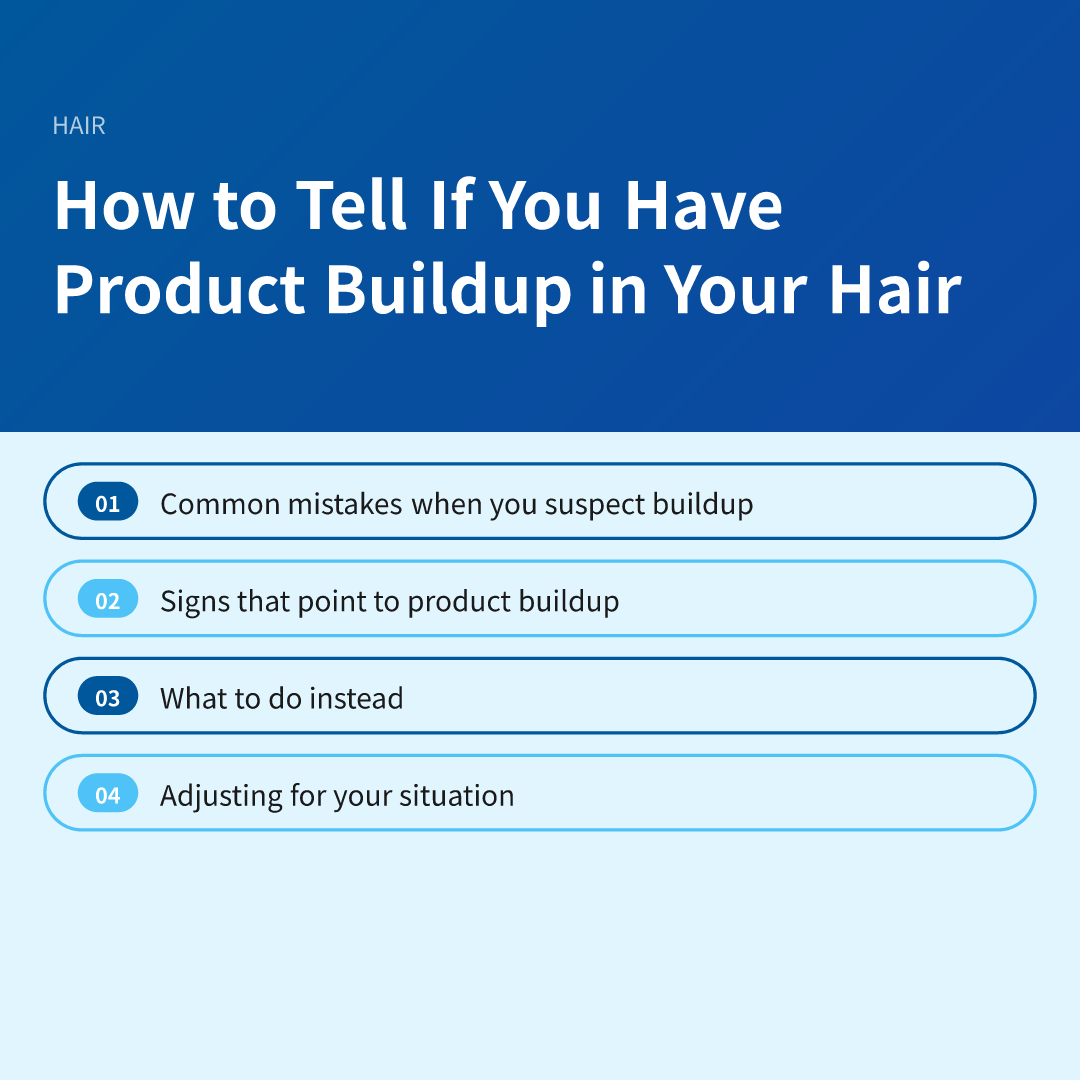
Hair that feels heavy, limp, or coated despite regular washing is the most common sign that buildup may be present. Other clues include products that suddenly seem to do less, color or treatments that look uneven, and hair that feels rough or stiff after rinsing. A scalp that feels greasy soon after washing can also point to residue, though there are many possible causes.
Different hair types tend to notice buildup in different ways:
- Fine or straight hair: often looks flat or greasy sooner because residue weighs it down.
- Curly and coily hair: may lose definition, feel waxy, or stop absorbing moisture, especially when rich creams and butters are used often.
- Color-treated hair: may need extra caution, since stronger cleansers can sometimes fade color faster.
- Swimmers and frequent gym-goers: chlorine, sweat, and mineral exposure can make occasional deep cleansing more relevant.
- Heavy product users: anyone layering several styling products may see buildup sooner.
A simple test many people try is noticing whether hair feels clean but still behaves oddly, such as refusing to hold a style or repel moisture. That pattern is often discussed in hair care circles as a sign of buildup, although it is not a diagnosis and other factors like damage or dryness can look similar.
How often someone reaches for a clarifying product depends on hair type, products used, water quality, and lifestyle. Most product labels give frequency guidance, and following the manufacturer's directions is the safest approach. If you are unsure, a licensed hair stylist can look at your hair and suggest what fits your situation.
What are the limits and risks of clarifying shampoo?
A clarifying shampoo cleans more intensively, so it can leave hair and scalp feeling dry, tight, or irritated, particularly in people with dry, damaged, or sensitive skin. Reactions vary from person to person. Stronger cleansing agents can remove natural oils the scalp relies on, which is why many people follow with a moisturizing conditioner or mask.
Here are the situations where extra caution makes sense:
- Dry or brittle hair: the stripping effect may make dryness more noticeable.
- Color-treated or chemically processed hair: deeper cleansing may speed up fading or feel harsh on already-stressed strands.
- Sensitive or reactive scalp: fragrance and strong surfactants can sometimes trigger stinging or redness.
- Natural or textured hair: some people find the result drying and balance it with hydrating steps afterward.
It also helps to know what a clarifying shampoo is not. It is a cosmetic cleanser, so it is not meant to address medical scalp conditions. According to the American Academy of Dermatology Association's general guidance, persistent flaking, itching, redness, or hair loss can have many underlying causes, and those concerns are best discussed with a dermatologist rather than managed with a stronger shampoo alone.
If a product causes burning, intense itching, swelling, or a rash, stopping use and speaking with a healthcare professional is the usual advice. The U.S. Food and Drug Administration's general consumer guidance on cosmetics notes that people can react differently to cosmetic ingredients, so reading labels and checking for known sensitivities is worthwhile. Patch-testing practices and ingredient concerns are worth raising with a dermatologist or pharmacist if you have a history of allergies.
Another point worth knowing: clarifying does not repair anything. It removes surface residue, and hair that looks fresher afterward may simply be cleaner rather than healthier. Damage from heat, bleach, or friction needs different care, and results vary from person to person. choosing a conditioner for dry or damaged hair
Frequently asked questions
Can clarifying shampoo replace my regular shampoo?
Generally not, since most are designed for occasional use rather than everyday washing. Regular shampoo is formulated to cleanse more gently, while a clarifying formula is stronger and can feel drying with frequent use. Product labels and a stylist can help you decide how it fits your routine.
Should I use conditioner after a clarifying shampoo?
Many people do, because deeper cleansing can leave hair feeling rougher or less moisturized. A conditioner or hydrating treatment is commonly paired with it to restore softness. The right choice depends on your hair type, so checking product directions or asking a stylist can help.
Is a clarifying shampoo the same as a scalp treatment or anti-dandruff shampoo?
No, they serve different purposes. A clarifying shampoo targets cosmetic buildup, while anti-dandruff and medicated shampoos are made for specific scalp concerns and may contain different active ingredients. If you are unsure which applies to you, a pharmacist or dermatologist can help you sort out what your scalp may need.
Disclaimer: This article is for informational purposes only and is not a substitute for professional medical advice, diagnosis, or treatment. Please consult a licensed professional for personal health decisions.