What Purple Shampoo Does for Blonde Hair
Blonde color can look bright and cool in the salon chair, then drift toward a yellow or straw-like cast after a few weeks of washing, sun, and styling. Many people notice it in the bathroom mirror and wonder whether a violet-tinted bottle can fix it. Purple shampoo deposits a small amount of violet pigment that visually offsets yellow tones, which is why it is widely used to keep blonde, silver, and highlighted hair looking cooler, though it does not lighten hair or repair damage.
What does purple shampoo actually do to blonde hair?
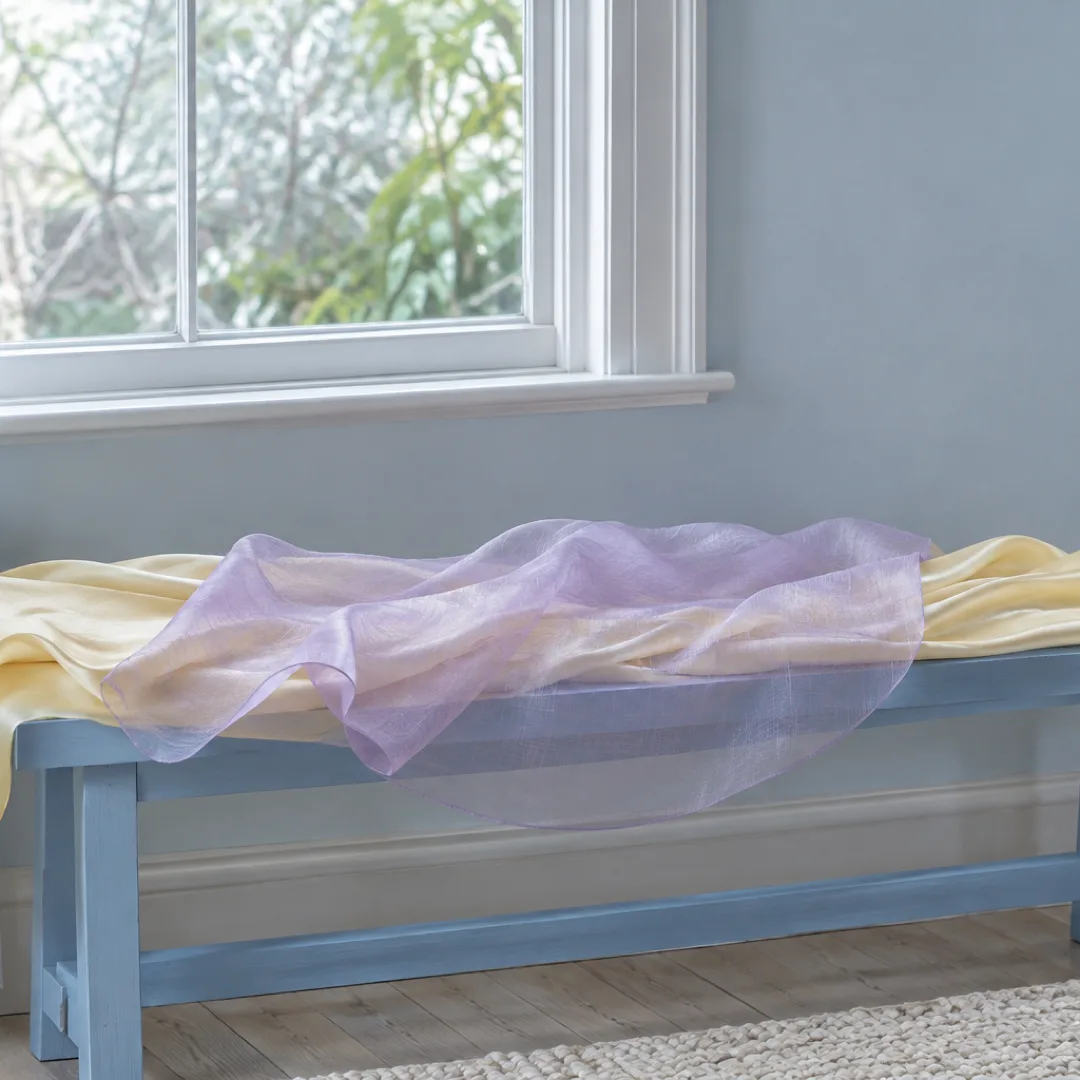
It adds a thin veil of violet pigment that cancels out yellow. Purple sits opposite yellow on the traditional color wheel, so when a little violet lands on the hair surface, yellow tones look less obvious. The hair appears cooler, cleaner, and often brighter, even though the underlying shade has not changed.
Most formulas combine two jobs. They contain cleansing agents like an ordinary shampoo, and they carry a violet or blue-violet dye. Because the pigment is deposited on the outside of the strand, the effect is temporary and tends to fade with later washes.
Why blonde hair turns brassy in the first place
Brassiness usually means warm underlying pigment is showing through. When hair is lightened, the process breaks down much of its natural color, but warm yellow and orange tones are often the hardest to remove completely. Over time, several everyday factors can make those warm tones more visible.
- Sun and heat exposure: UV light and hot styling tools can alter hair color and surface condition.
- Mineral buildup: Some water supplies leave deposits on hair that can dull color and add a warm tint.
- Product residue: Layers of styling products can make light hair look darker or yellowish.
- Fading toner: Many salon blondes include a toner that gradually washes out, revealing the warmer base.
What it does not do
Purple shampoo does not bleach, lift, or lighten hair. It also does not rebuild a damaged cuticle or restore strength, and it cannot turn a dark golden or orange base into icy platinum. If hair is very warm, a professional toner or color correction is generally the route that actually changes the shade.
It also will not do much for hair that is naturally dark or only lightly highlighted with brown tones. The pigment is subtle, and it shows best on light, porous strands where yellow is the main complaint.
Who benefits most, and who might want to skip it?
Light blondes, silvers, grays, and bleached or highlighted hair tend to get the most visible change. These shades show yellow easily, and they take up pigment readily. People with a warm golden blonde they love may find that a violet product cools the shade more than they want.
Hair that is very porous, such as hair that has been lightened several times, can grab pigment unevenly. In that case, the shampoo may leave a faint lavender, gray, or dull cast, especially at the ends. Reactions and results vary from person to person, so a cautious approach is reasonable.
Hair types and situations that call for extra care
- Dry or damaged ends: Some purple formulas can feel drying, and porous hair may hold onto more pigment than expected.
- Fresh color: Newly toned hair may not need a violet product right away, since the toner is still doing the work.
- Natural light brown or dark blonde: The effect is often too faint to notice, and a color-depositing product may not be the right tool.
- Sensitive scalp: Fragrance, dyes, or cleansing agents can bother some people, so watch for stinging, itching, or redness.
If irritation, burning, or a rash shows up, it is sensible to stop the product and speak with a pharmacist, a dermatologist, or another qualified professional. The U.S. Food and Drug Administration notes that cosmetic reactions can occur with any product, and it encourages people to pay attention to ingredient lists and report problems. Anyone with a known sensitivity to hair dyes should check labels carefully before trying a pigmented shampoo.
Related reading: How to Keep Your Own Hair Healthy Under a Wig
How it compares with other tone-correcting options
Blue-based shampoos are often discussed for orange tones, while violet-based ones are usually linked with yellow tones. Salon toners and glosses work differently, because a stylist can choose a shade for your specific base and apply it with timing suited to your hair. Purple shampoo is generally seen as a maintenance product between appointments rather than a replacement for professional color work.
How can you get a good result without overdoing it?
The most dependable approach is to follow the directions printed on the bottle and adjust gradually based on how your hair responds. Labels differ between brands, and strength varies, so there is no universal schedule. For anything beyond the label, a stylist who has seen your hair is the best person to ask.
Most people find it helpful to think of purple shampoo as an occasional tune-up. Using a very pigmented formula too often, or leaving it on longer than the label suggests, is commonly linked with a dull or slightly gray tint. Starting cautiously and noticing how your hair looks over several washes can reveal what suits it.
Habits that support the result
- Test on a small section first: This can show how your hair takes pigment before you commit to the whole head.
- Pair it with a moisturizing conditioner: Bleached hair often feels dry, and a conditioner can help it feel softer.
- Be gentle with heat: Heat styling can contribute to dullness and color change, so protective habits matter.
- Consider water quality: If mineral buildup seems to be part of the problem, a stylist can suggest clarifying or filtering options.
- Protect against sun: Hats and hair products designed with sun protection in mind may reduce fading for some people.
Signs it is time to see a stylist instead
If hair keeps pulling yellow or orange despite regular care, the base color may need a professional adjustment. Uneven patches, a muddy gray-green tone, or hair that feels brittle and snaps easily are also good reasons to book a consultation. A stylist can assess the condition of your hair and recommend whether toning, a gloss, or a break from lightening makes sense.
Gloves are often suggested in product directions because the pigment can stain skin and nails temporarily, and light surfaces such as towels or pillowcases may pick up color too. Following the manufacturer's directions is the safest way to handle these practical details.
Frequently asked questions
Will purple shampoo make my blonde hair lighter?
No, purple shampoo does not lighten hair. It only deposits a small amount of violet pigment that makes yellow tones look less noticeable. If you want a lighter shade, that generally requires a professional lightening service.
Can purple shampoo leave a lavender or gray tint?
Yes, it can if your hair is very porous or very light and the pigment builds up. Damaged or previously lightened strands often absorb more color, especially near the ends. Following the label and checking how your hair responds over several washes can help you avoid that look.
Is purple shampoo useful if my hair is only slightly highlighted?
It may be less noticeable if your base color is brown or dark blonde. The violet pigment shows best on light, bleached, silver, or gray hair, where yellow tones stand out. If your highlights look warm, a stylist can suggest whether a toner or a different product fits better.
Disclaimer: This article is for informational purposes only and is not a substitute for professional medical advice, diagnosis, or treatment. Please consult a licensed professional for personal health decisions.